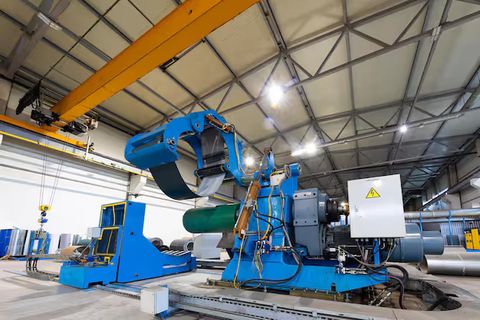
Many beginners feel confused when they first explore planers, especially with terms like electric wood planer, thickness planer machine, or industrial wood planer.
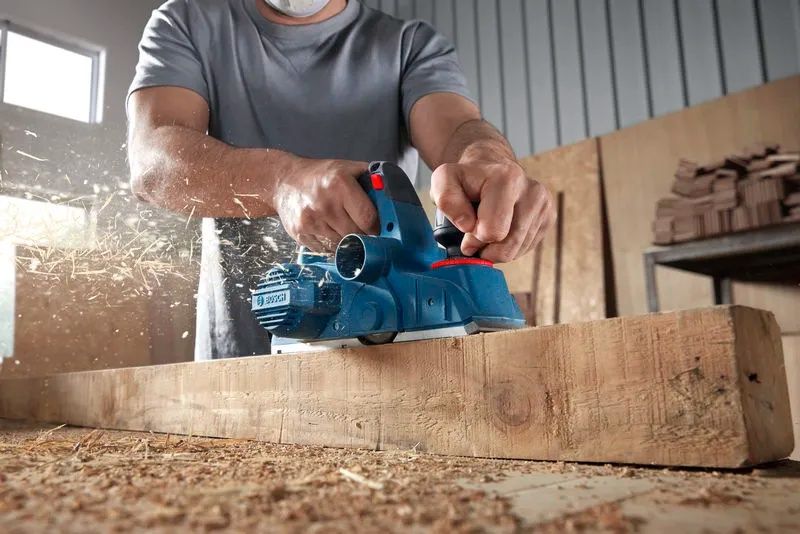
This guide breaks everything down into simple, practical insights. You will learn how different planers work, where they are used, and how to choose the right one for your needs. Along the way, you will also discover useful tips that professionals rely on every day.
What Is a Wood Planer Machine?
A wood planer machine is a woodworking tool used to create flat, even surfaces on wooden boards. It removes thin layers from the surface, helping you achieve consistent thickness and a smooth finish.
Think of it like this: if you have a rough wooden plank with uneven edges, a planer turns it into a clean, uniform piece ready for use. This makes it essential for both beginners and experienced craftsmen.
How It Works
Inside a woodworking planer machine, rotating blades shave off thin layers of wood. The board is fed through the machine, and each pass improves its smoothness and thickness accuracy.
For example, if you are preparing wood for a table, the planer ensures every piece has the same thickness. This makes assembly easier and improves the final appearance.
Types of Wood Planer Machines
Not all planers are the same. Each type is designed for specific tasks, from small DIY projects to heavy industrial work.
Electric Wood Planer
An electric wood planer is compact and easy to handle. It is commonly used for small adjustments, trimming edges, or smoothing surfaces.
It works well for:
- Quick surface leveling
- Door adjustments
- Light furniture work
If you are working on home projects, this type is often the most practical starting point.
Thickness Planer Machine
A thickness planer machine is designed to make boards uniform in thickness. Unlike handheld planers, this machine focuses on precision and consistency.
It is ideal for:
- Preparing wood for furniture making
- Batch processing multiple boards
- Achieving uniform dimensions
For example, when making chairs or cabinets, consistent thickness ensures all parts fit perfectly.
Industrial Wood Planer
An industrial wood planer is built for large-scale operations. It handles heavy workloads and processes large volumes of wood quickly.
These machines are typically used in:
- Manufacturing units
- Large workshops
- Continuous production environments
They provide speed, durability, and high precision, making them essential for professional setups.
Bench Top Wood Planer
A bench top wood planer is a smaller version of a thickness planer. It is designed to sit on a workbench and is perfect for limited spaces.
It is suitable for:
- Small business setups
- Hobby woodworking
- Compact workshops
This type balances performance and convenience, making it popular among beginners and semi-professionals.
Choosing the Right Wood Planer
Selecting the right machine depends on your work style, project type, and workspace.
Consider Your Project Needs
If you are working on furniture, a thickness planer machine is a better choice. For quick fixes or edge smoothing, an electric wood planer is enough.
For example, a carpenter focusing on door making will benefit from a planer that handles wide boards efficiently.
Workspace and Size
A large industrial wood planer requires significant space, while a bench top wood planer fits easily in smaller areas.
Before choosing, think about:
- Available workspace
- Portability requirements
- Frequency of use
Power and Performance
More powerful machines handle hardwood and large volumes better. However, smaller machines are easier to manage and maintain.
If you run a wood planer machine for small business, a mid-range option often provides the best balance between performance and practicality.
Applications of Wood Planers
Wood planers are used in a wide range of woodworking activities.
Furniture Making
A wood planer for furniture making ensures all pieces are smooth and uniform. This improves both the appearance and structural quality of the final product.
For example, table legs, panels, and frames all require consistent thickness to fit properly.
Door Making
A wood planer for door making helps achieve flat surfaces and precise dimensions. This is important for proper fitting and long-term durability.
Even a slight unevenness can affect how a door opens and closes.
Small Business Workshops
Many small workshops rely on a wood planer machine for small business operations. It helps maintain quality while improving efficiency.
Whether producing custom furniture or decorative items, a planer saves time and reduces manual effort.
Practical Tips for Using a Wood Planer
Using a planer correctly can make a big difference in results.
Start with Small Adjustments
Do not remove too much material in one pass. Thin layers provide better control and a smoother finish.
For example, removing a small amount multiple times is better than trying to finish in one go.
Check Wood Condition
Always inspect the wood before planing. Look for nails, knots, or debris that could damage the machine.
Clean and dry wood produces the best results.
Maintain Blade Sharpness
Sharp blades ensure smooth cuts and reduce strain on the machine. Dull blades can cause rough surfaces and uneven results.
Regular maintenance improves performance and extends machine life.
Use Proper Feeding Technique
Feed the wood steadily without forcing it. Let the machine do the work.
Uneven feeding can lead to inconsistent thickness or surface marks.
Energy Efficiency and Performance
Modern energy efficient wood planer machines are designed to reduce power consumption while maintaining performance.
These machines are especially useful for workshops that operate regularly. Lower energy usage helps manage long-term operating expenses without compromising output quality.
Features that improve efficiency include:
- Optimized motor design
- Smart power control
- Reduced vibration systems
Choosing an efficient model can make a noticeable difference over time.
Understanding Price and Value Factors
When exploring wood planer machine price comparison, it is important to look beyond just numbers. Value depends on performance, durability, and features.
Key Factors That Influence Value
- Machine size and capacity
- Motor power
- Build quality
- Brand reputation
- Additional features
For example, an industrial wood planer may have a higher price range due to its heavy-duty capabilities, while a bench top wood planer is more suitable for smaller budgets.
Estimating Investment
When thinking about wood planer machine cost estimation, consider long-term benefits rather than just initial spending.
A reliable machine can improve productivity, reduce material waste, and deliver consistent results. This makes it a valuable addition to any workshop.
Safety Tips for Wood Planer Use
Safety should always be a priority when working with woodworking machinery.
Wear Protective Gear
Use safety glasses and hearing protection. Wood chips and noise can be harmful over time.
Keep Hands Clear
Never place your hands near the cutting area. Use push tools if needed.
Secure the Workpiece
Ensure the wood is properly positioned before feeding it into the machine.
Regular Maintenance Checks
Inspect the machine regularly to ensure all parts are functioning correctly.
Following these basic steps helps prevent accidents and keeps your workflow smooth.
Expert Advice for Better Results
Experienced woodworkers often rely on simple habits to achieve professional results.
Plan Your Cuts
Before starting, decide how much material needs to be removed. This avoids unnecessary passes and saves time.
Work with Grain Direction
Always plane in the direction of the wood grain. This reduces tear-out and improves surface quality.
Test on Scrap Wood
Before working on your main piece, test the settings on a scrap piece. This helps you fine-tune the machine.
Keep the Workspace Clean
A clean workspace improves safety and efficiency. Remove dust and debris regularly.
When to Seek Expert Guidance
If you are setting up a workshop or upgrading your equipment, expert woodworking machinery consultation can provide valuable insights.
Professionals can help you:
- Choose the right machine for your needs
- Understand technical specifications
- Improve workflow efficiency
This is especially useful for growing businesses or those handling complex projects.
Final Thoughts
A wood planer machine is one of the most important tools in woodworking. From smoothing surfaces to achieving precise thickness, it plays a key role in delivering high-quality results.
Whether you choose an electric wood planer for small tasks or an industrial wood planer for large-scale work, the right machine can make your work faster, easier, and more accurate.
By understanding the basics, selecting the right type, and following expert tips, you can get the most out of your planer and improve your woodworking projects significantly.