Cable Stripping Machines: Essential Guide and Insights
Cable work can be tricky, especially when precision matters. Whether you're handling small wires or thick industrial cables, using the right tools makes a big difference.
This guide explores how cable stripping machines simplify the process, improve efficiency, and ensure consistent results.
Understanding Cable Stripping Machines
A cable stripping machine is designed to remove insulation from electrical wires without damaging the inner conductor. This process is essential in many industries, including electrical work, recycling, and manufacturing.
Unlike manual tools, modern machines handle large volumes of wires quickly. They also reduce effort and improve accuracy, which is why they are widely preferred.
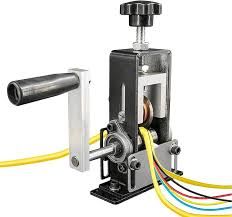
There are different types of machines available, such as:
- Manual models for small tasks
- Semi-automatic units for moderate workloads
- Fully automatic wire stripping machine systems for high-volume operations
Each type serves a specific purpose depending on the user's needs.
How a Wire Stripping Machine Works
At its core, a wire stripping machine uses blades or rollers to cut through the insulation layer. The machine is adjusted based on wire thickness, ensuring that only the outer covering is removed.
Some advanced machines include:
- Adjustable blade depth
- Speed control settings
- Automatic feeding systems
An automatic wire stripper can process wires continuously, making it ideal for repetitive tasks. This saves time and reduces manual errors.
Types of Wire Cutter and Stripping Machines
There are several variations available, each suited to different applications. Understanding these types helps in choosing the right equipment.
| Machine Type | Key Feature | Best Use Case |
|---|---|---|
| Manual Stripping Machine | Hand-operated | Small-scale or occasional use |
| Electric Wire Stripper | Powered operation | Medium workloads |
| Automatic Wire Stripping Machine | Fully automated process | High-volume industrial tasks |
| Wire Cutter Machine | Cuts wires cleanly | Preparing wires before stripping |
| Wire Strapping Machine | Bundles and secures wires | Packaging and organization |
A wire cutter machine is often used alongside stripping machines to prepare wires for processing. Meanwhile, a wire strapping machine helps organize cables after stripping.
Key Features and Benefits
Cable stripping machines offer several advantages that make them essential tools in many environments.
Efficiency and Time Savings
Manual stripping can be slow and inconsistent. Machines significantly reduce the time required to process wires. An automatic wire stripping machine can handle multiple wires in seconds, improving productivity.
Precision and Consistency
One of the biggest challenges in manual stripping is avoiding damage to the conductor. Machines are designed to maintain consistent cutting depth, ensuring clean results every time.
Reduced Physical Effort
Using a wire stripping machine reduces strain on hands and wrists. This is especially helpful for users who handle large volumes of wires regularly.
Versatility
Many machines can handle different wire sizes and types. Adjustable settings allow users to switch between thin wires and thicker cables with ease.
Choosing the Right Stripping Machine Wire
Selecting the right stripping machines wire solution depends on several factors. It's not just about power—it's about suitability for the task.
Consider Wire Type and Size
Different machines support different wire diameters. Always check the machine’s compatibility with the wires you plan to use.
For example:
- Thin wires require precise blade adjustments
- Thick cables need more powerful machines
Evaluate Automation Level
If you're working on large-scale projects, an automatic wire stripper is more efficient. For occasional use, a manual or electric wire stripper may be sufficient.
Look for Safety Features
Safety should always be a priority. Many machines include features such as:
- Protective covers
- Emergency stop buttons
- Stable base designs
These features help reduce risks during operation.
Maintenance and Durability
A good machine should be easy to maintain. Regular cleaning and blade replacement ensure long-term performance.
Machines made from durable materials tend to last longer and handle tougher workloads.
Common Applications of Cable Stripping Machines
Cable stripping machines are used in a variety of settings. Their versatility makes them valuable across industries.
Electrical and Electronics Work
Electricians and technicians use these machines to prepare wires for installation and repairs. Precision is crucial in these tasks, making machines a reliable choice.
Recycling and Scrap Processing
In recycling, removing insulation helps recover valuable metals like copper. A wire stipping machine makes this process faster and more efficient.
Manufacturing and Production
Factories often use automatic wire stripping machine systems for large-scale operations. These machines ensure consistency and speed in production lines.
Cable Management and Organization
After stripping, wires are often bundled using a wire strapping machine. This keeps cables organized and easy to handle.
Tips for Using an Electric Wire Stripper Effectively
Using a machine properly ensures better results and extends its lifespan. Here are some practical tips:
Adjust Settings Carefully
Always match the blade depth to the wire size. Incorrect settings can damage the conductor or leave insulation behind.
Test Before Full Operation
Before processing a large batch, test the machine on a sample wire. This helps confirm that the settings are correct.
Keep the Machine Clean
Dust and debris can affect performance. Regular cleaning ensures smooth operation and prevents wear.
Replace Blades When Needed
Sharp blades are essential for clean cuts. If you notice uneven stripping, it may be time to replace the blades.
Follow Safety Practices
- Avoid placing hands near moving parts
- Turn off the machine when not in use
- Use protective gear if necessary
These simple steps can prevent accidents and improve efficiency.
Conclusion
Cable stripping machines play an important role in modern wire processing. From small-scale tasks to industrial operations, they offer speed, precision, and convenience.
Choosing the right wire stripping machine depends on your specific needs, including wire type, workload, and level of automation. Whether it's a basic electric wire stripper or a fully automatic wire stripping machine, the right tool can make the process much smoother.
By understanding how these machines work and following best practices, users can achieve consistent results while maintaining safety and efficiency.

Related Post...

Guide: Lifting Equipment Types Complete Overview, Basics & Practical Insights
Updated: April 18, 2026
Read More