Wave Soldering Machines: A Practical Guide
Wave soldering machines play a crucial role in modern electronics manufacturing. If you’ve ever wondered how circuit boards are assembled with precision and consistency, this process is a big part of the answer.
In this guide, you’ll learn how these machines work, where they are used, and how they compare with other soldering methods.
Whether you're new to PCB assembly or looking to understand machine soldering pcb processes better, this article breaks it down in a clear and approachable way.
Understanding Wave Soldering Machines
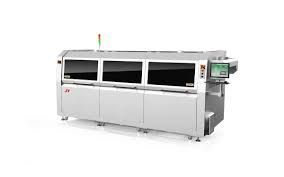
Wave soldering is a widely used method for soldering electronic components onto printed circuit boards. It involves passing a pcb board soldering machine over a wave of molten solder, allowing components to be soldered simultaneously.
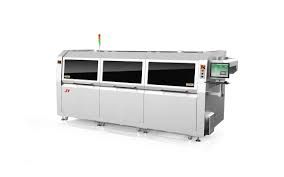
Unlike manual soldering, this automated process ensures uniformity and reduces human error. It is especially useful in high-volume production environments.
How Wave Soldering Works
The process typically follows these steps:
- Flux Application: A flux is applied to clean and prepare the board.
- Preheating: The board is gently heated to activate the flux and prevent thermal shock.
- Solder Wave Contact: The board passes over a wave of molten solder.
- Cooling: The solder solidifies, forming strong electrical connections.
Wave soldering equipment is designed to maintain precise temperature control and consistent solder flow. This helps ensure reliable results across multiple boards.
Key Components of a Solder Machine
A typical solder machine includes several important parts:
- Fluxing system
- Preheater section
- Solder pot
- Conveyor system
- Cooling zone
Each component plays a specific role in ensuring proper soldering and minimizing defects.
Selective Soldering vs Wave Soldering
While wave soldering is efficient for many applications, selective solder machine technology offers a more targeted approach.
What is Selective Solder?
Selective soldering focuses on soldering specific areas of a PCB rather than the entire board. This is useful for boards with mixed technology, such as both surface-mount and through-hole components.
A selective solder machine uses programmable nozzles to apply solder precisely where needed. This reduces the risk of damaging sensitive components.
Comparison Table
| Feature | Wave Soldering Machines | Selective Solder Machine |
|---|---|---|
| Coverage | Entire PCB | Specific areas only |
| Speed | High | Moderate |
| Precision | Moderate | High |
| Best For | High-volume production | Complex PCB designs |
| Setup Complexity | Lower | Higher |
| Flexibility | Limited | Highly flexible |
Both methods are valuable, and the choice depends on the design and production requirements.
When to Use Each Method
Wave soldering is typically preferred when:
- Boards have many through-hole components
- Production volume is high
- Design is relatively simple
Selective solder equipment is more suitable when:
- Boards include delicate components
- Only certain joints require soldering
- High precision is necessary
Advantages of Wave Soldering Equipment
Wave soldering machines offer several practical benefits in electronics manufacturing.
Efficiency and Speed
One of the biggest advantages is speed. Entire boards can be soldered in a single pass, making it ideal for large-scale production.
This reduces processing time and improves overall workflow efficiency.
Consistent Results
Machine soldering pcb processes provide consistent solder joints. This reduces variability and helps maintain product quality.
Consistency is especially important in industries where reliability is critical.
Reduced Manual Work
Automation minimizes the need for manual soldering. This helps reduce fatigue and improves accuracy.
It also allows operators to focus on monitoring and quality control rather than repetitive tasks.
Common Challenges in Wave Soldering
While effective, wave soldering is not without its challenges.
Solder Bridges
Excess solder can sometimes create unintended connections between components. Proper setup and design adjustments can help minimize this issue.
Thermal Stress
Incorrect temperature settings may damage components or the PCB. Careful calibration is essential.
Flux Residue
Improper flux application can leave residues that affect performance. Cleaning processes may be required depending on the application.
Tips for Optimizing Soldering Performance
Improving the performance of wave soldering machines involves attention to detail and regular monitoring.
Maintain Proper Temperature Control
Temperature plays a critical role in solder quality. Ensure the solder pot and preheater are calibrated correctly.
Use Quality Materials
High-quality solder and flux can significantly improve results. Consistent materials help reduce defects.
Regular Maintenance
Routine inspection of wave soldering equipment ensures smooth operation. Check for wear in nozzles, conveyors, and heating elements.
Optimize PCB Design
Design plays a major role in soldering success. Consider spacing, component placement, and orientation to improve outcomes.
Role of Selective Solder Equipment in Modern Manufacturing
As PCB designs become more complex, selective solder machine solutions are becoming increasingly important.
They allow manufacturers to handle mixed-technology boards without compromising on quality. This flexibility supports innovation and advanced electronics design.
Selective solder equipment is also useful for:
- Prototyping
- Low-volume production
- Repair and rework processes
This makes it a valuable addition alongside traditional wave soldering systems.
Future Trends in PCB Soldering Machines
The evolution of pcb board soldering machine technology continues to improve efficiency and precision.
Automation and Smart Systems
Modern machines are incorporating sensors and software for better control. This helps detect defects early and adjust parameters automatically.
Energy Efficiency
Newer designs focus on reducing energy consumption while maintaining performance. This supports more sustainable manufacturing practices.
Integration with Production Lines
Wave soldering machines are increasingly integrated with other systems. This creates a seamless production flow and improves overall productivity.
Conclusion
Wave soldering machines remain a cornerstone of electronics manufacturing. They provide a fast and reliable way to solder multiple components on a PCB.
At the same time, selective solder machine technology adds flexibility for complex designs. Together, these systems support a wide range of applications in modern production.
Understanding how wave soldering equipment works, along with its strengths and limitations, helps in making informed decisions about PCB assembly processes.
By focusing on proper setup, maintenance, and design considerations, manufacturers can achieve consistent and high-quality results in machine soldering pcb operations.

Related Post...

Industrial Filter Press Systems: A Detailed Overview of Technology and Operation
Updated: April 17, 2026
Read More