Water Jet Cutting Machines: Complete Guide & Insights
Water jet cutting machines have changed how industries shape and cut materials. They offer a precise and clean method that works on a wide range of surfaces without causing heat damage. This guide explores how these machines work, their benefits, and where they are commonly used.
If you're curious about modern cutting solutions, understanding a waterjet machine can give you a clearer picture of its role in manufacturing and fabrication.
What Are Water Jet Cutting Machines?
A water jet cutting machine uses a high-pressure stream of water to cut through materials. In many cases, abrasive particles are added to the water to improve cutting strength. This process is often called waterjet or hydro cutting machine technology.
Unlike traditional cutting tools, a jet cutter does not generate heat. This makes it suitable for materials that can be damaged by high temperatures.
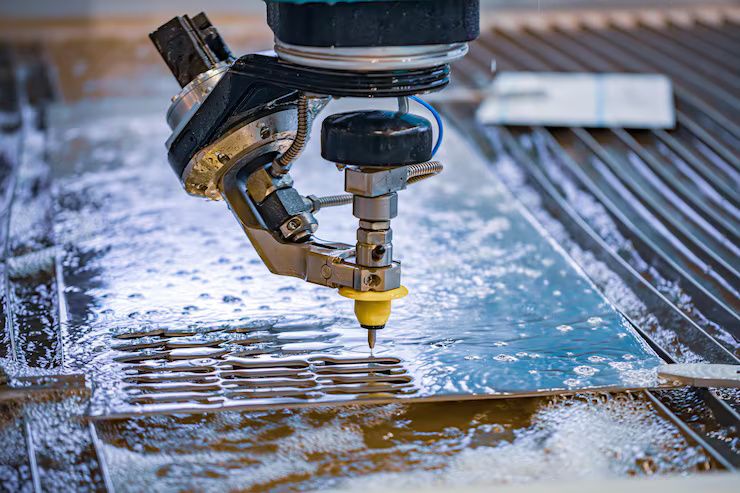
Water jet equipment can handle materials like:
- Metal (steel, aluminum, titanium)
- Glass
- Stone and granite
- Rubber and plastics
- Composites
This versatility makes the waterjet machine a preferred choice across multiple industries.
How Does a Waterjet Machine Work?
The working principle of a waterjet cutter is simple but powerful. Water is pressurized using a pump and forced through a small nozzle at extremely high speeds.
Key Components of a Waterjet System
A typical water jet equipment setup includes:
- High-pressure pump – Generates intense water pressure
- Cutting head – Controls the direction and flow
- Abrasive delivery system – Adds particles for harder materials
- Control system – Guides the jet cutter using programmed designs
The result is a precise and smooth cutting process that leaves minimal waste.
Pure Water vs Abrasive Waterjet
There are two main types of waterjet machine systems:
| Type | Description | Best For |
|---|---|---|
| Pure Waterjet | Uses only water for cutting | Soft materials like foam, rubber |
| Abrasive Waterjet | Mixes water with abrasive particles | Metals, stone, thick materials |
Both types of hydro cutter machine systems are widely used depending on the application.
Advantages of Using Water Jet Equipment
Water jet cutting machines offer several benefits that make them stand out from other cutting technologies.
No Heat-Affected Zones
One of the biggest advantages of a waterjet machine is that it does not produce heat. This prevents material distortion or weakening.
High Precision and Accuracy
A jet cutting machine can create detailed shapes and complex patterns with ease. This makes it ideal for industries requiring tight tolerances.
Eco-Friendly Process
Waterjet equipment is considered environmentally friendly because:
- It produces minimal waste
- No harmful fumes are generated
- Water can often be recycled
Versatility Across Materials
A hydro cutting machine can work on materials that are difficult for other machines. This flexibility reduces the need for multiple tools.
Common Applications of Waterjet Machines
Water jet cutting machines are used in many industries due to their adaptability and precision.
Manufacturing and Fabrication
In manufacturing, waterjet machines are used to cut metal parts with high accuracy. They are especially useful for creating custom components.
Construction and Architecture
Builders and designers use hydro cutter machines to shape stone, tiles, and glass. This allows for creative and intricate designs.
Automotive and Aerospace
These industries rely on jet cutting machines for cutting strong materials without affecting structural integrity.
Art and Design
Artists also use waterjet equipment to create detailed designs in metal, wood, and stone.
Key Factors to Consider When Choosing a Waterjet Cutter
Choosing the right water jet cutting machine depends on several factors. Understanding these can help you make a more informed decision.
Material Type
Different materials require different cutting approaches. For example:
- Soft materials may only need pure water
- Hard materials require abrasive waterjet systems
Thickness of Material
Thicker materials need more powerful waterjet machines. The pressure and nozzle design play a key role here.
Precision Requirements
If your work involves detailed designs, you will need a jet cutter with advanced control systems.
Maintenance and Operation
Regular maintenance is essential for keeping waterjet equipment running smoothly. This includes checking nozzles, pumps, and abrasive systems.
Tips for Effective Use of a Hydro Cutting Machine
Using a waterjet machine efficiently requires some best practices. These tips can help improve performance and results.
Optimize Pressure Settings
Using the correct pressure ensures clean cuts and reduces wear on the machine.
Choose the Right Abrasive
For abrasive waterjet systems, selecting the proper abrasive material improves cutting efficiency.
Maintain Equipment Regularly
Routine maintenance helps extend the life of your jet cutting machine and ensures consistent performance.
Plan Cutting Paths
Efficient cutting paths reduce waste and save time. Modern waterjet equipment often includes software to assist with this.
Future Trends in Waterjet Technology
Water jet cutting machines continue to evolve with new advancements. Some trends shaping the future include:
- Improved automation and smart controls
- Enhanced precision through advanced software
- Better energy efficiency
- Integration with digital manufacturing systems
These developments are making waterjet machines even more reliable and user-friendly.
Conclusion
Water jet cutting machines offer a powerful and flexible solution for cutting a wide range of materials. Their ability to deliver precise results without heat damage makes them valuable in many industries.
Whether used in manufacturing, construction, or design, a waterjet machine provides efficiency and accuracy. By understanding how these systems work and following best practices, users can achieve consistent and high-quality results.
As technology continues to improve, waterjet equipment is likely to play an even bigger role in modern cutting processes.

Related Post...