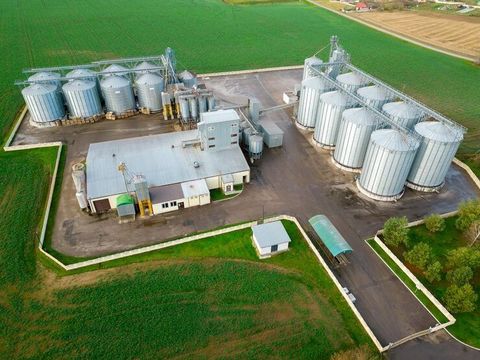
Understanding how rice milling works is essential for anyone involved in agriculture, food processing, or related industries. With the rise of smart technologies and system-based operations, rice mills today are more efficient, consistent, and scalable than ever before. This guide explains the equipment, process, features, and future trends of rice milling machine systems in a simple and practical way, making it easy to grasp even for beginners.
What is a Rice Milling Machine System?
A rice milling machine system is a combination of machines, tools, and processes designed to convert harvested paddy into polished rice. It involves multiple stages such as cleaning, husking, whitening, polishing, grading, and packaging.
Unlike traditional methods, modern systems use automated equipment and integrated solutions to ensure high efficiency, minimal grain loss, and consistent quality. These systems can range from compact units for small operations to fully automated industrial platforms capable of handling large volumes.
At its core, a rice milling system focuses on removing the outer husk and bran layers while preserving the inner kernel as much as possible.
Benefits and Importance of Rice Milling Machine Systems
Improved Efficiency
Modern rice milling systems use automation and advanced tools to process large quantities of rice quickly. This reduces manual effort and increases overall productivity.
Better Quality Output
With precise control systems and grading technology, these machines produce uniform and high-quality rice with fewer broken grains.
Reduced Waste
Efficient systems minimize grain loss during processing. By optimizing each stage, the yield of edible rice is significantly improved.
Scalability
Rice milling machine systems can be scaled based on production needs, making them suitable for both small farms and large processing units.
Consistency
Automated solutions ensure consistent results across batches, which is essential for maintaining quality standards.
Key Features and Types of Rice Milling Machine Systems
Cleaning Equipment
This is the first stage where impurities like dust, stones, and straw are removed. Cleaning machines ensure that only pure paddy enters the milling process.
Husking Machines
Husking removes the outer shell of the paddy. Modern huskers use rubber rollers and precision systems to minimize grain damage.
Paddy Separators
These machines separate husked rice from unhusked paddy. This step ensures that only properly processed grains move forward.
Whitening and Polishing Machines
These systems remove the bran layer and polish the rice to improve its appearance. Advanced polishing platforms also enhance texture and shine.
Grading Systems
Grading machines sort rice based on size and quality. They help separate broken grains from whole grains using automated sorting tools.
Color Sorters
Using optical technology, color sorters detect and remove discolored or defective grains, ensuring premium quality output.
Packaging Systems
Modern rice milling systems often include automated packaging solutions that streamline the final stage of production.
Practical Use Cases and Real-Life Examples
Small-Scale Farming Operations
A small farmer may use a compact rice milling system to process locally harvested paddy. These systems are easy to operate and require minimal maintenance, making them ideal for rural setups.
Medium-Sized Processing Units
In regional processing centers, semi-automated systems are used to handle moderate volumes. These setups often include grading and polishing machines for better quality control.
Large Industrial Mills
Large-scale facilities use fully integrated platforms with automation, software controls, and high-capacity equipment. These systems can process tons of rice daily with minimal manual intervention.
Export-Oriented Processing
In export-focused operations, advanced sorting and polishing systems ensure that rice meets international quality standards. High-end tools and precision equipment are essential in such cases.
Practical Tips for Using Rice Milling Machine Systems
Choose the Right System
Select a system that matches your production needs. Overly complex systems may not be necessary for smaller operations.
Regular Maintenance
Keep all machines clean and well-maintained to ensure consistent performance and long-term durability.
Monitor Moisture Levels
Proper moisture content in paddy is crucial for efficient milling. Too much moisture can lead to grain breakage.
Optimize Each Stage
Pay attention to each step of the process. Small adjustments in cleaning or husking can significantly impact the final output.
Train Operators
Ensure that operators understand how to use the system effectively. Proper training reduces errors and improves efficiency.
Challenges and Limitations
Initial Setup Complexity
Setting up a complete rice milling system can be complex, especially for beginners. It requires proper planning and technical understanding.
Maintenance Requirements
Advanced systems need regular maintenance and occasional part replacements to function efficiently.
Energy Consumption
Large-scale milling systems may consume significant energy, which can impact operational efficiency.
Skill Dependency
Operating advanced automation systems requires trained personnel, which can be a challenge in some regions.
Grain Quality Variability
The quality of input paddy directly affects the output. Poor-quality raw material can limit the effectiveness of even the best systems.
Future Trends in Rice Milling Machine Systems
Automation and Smart Systems
The integration of automation and smart technologies is transforming rice milling. Modern systems now use software and sensors to monitor performance and optimize processes in real time.
Data-Driven Solutions
Advanced platforms are incorporating data analytics to improve efficiency, reduce waste, and enhance decision-making.
Energy-Efficient Equipment
Newer machines are designed to consume less energy while maintaining high performance, making them more sustainable.
Compact and Modular Designs
Manufacturers are developing compact systems that can be easily installed and expanded as needed.
Integration with Digital Tools
Rice milling systems are increasingly being connected with digital tools and management software for better control and monitoring.
Conclusion
Rice milling machine systems are essential for transforming raw paddy into high-quality rice efficiently and consistently. From cleaning and husking to polishing and grading, each stage plays a vital role in ensuring the final product meets quality expectations.
With advancements in automation, tools, and system integration, modern rice milling has become more precise and scalable. While challenges such as maintenance and energy use exist, the benefits far outweigh the limitations.