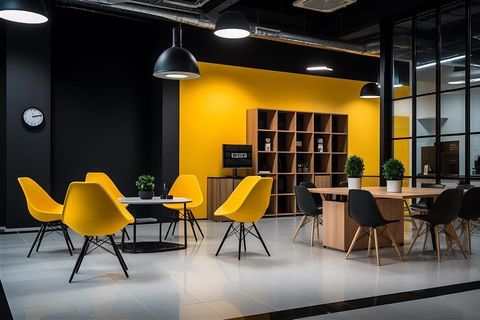
Co Working Spaces Beginner Guide with Essential Tips and Insights
Co working spaces are shared environments where individuals from different professions work under the same roof. These spaces are designed to provide a flexible and collaborative setting, offering desks, meeting areas, and basic office infrastructure without the need for a traditional office setup.
The idea emerged as work styles began to shift away from fixed offices. Freelancers, remote workers, and small teams needed a place that offered structure without long-term commitments. Co working spaces filled this gap by combining flexibility with a professional environment.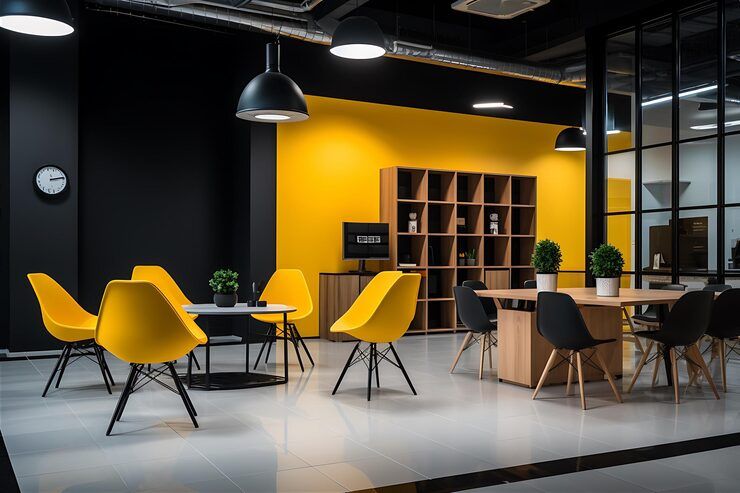
Unlike traditional offices, these spaces encourage interaction among people from diverse fields. This creates opportunities for informal discussions, idea exchange, and collaboration. At the same time, individuals can maintain focus on their own tasks.
Most co working environments include common features such as high-speed internet, shared desks, private cabins, meeting rooms, and quiet zones. Some also include community events or workshops to help users connect and learn.
Why co working spaces are relevant today
The demand for flexible work environments has increased as more people work independently or remotely. Co working spaces have become an important part of this shift, offering practical solutions for modern work needs.
Supporting flexible work styles
Many professionals no longer follow a fixed office routine. Co working spaces allow them to choose when and where they work, making it easier to balance productivity with personal preferences.
Creating a sense of community
Working alone can sometimes feel isolating. Shared workspaces bring people together, helping them stay motivated and connected. Even casual conversations can lead to new ideas or partnerships.
Helping small teams and startups
Small teams often need a professional setting without the complexity of managing an office. Co working spaces provide access to infrastructure and meeting areas, making it easier to operate efficiently.
Improving productivity
A dedicated workspace can improve focus compared to working from home or public places. The structured environment helps individuals stay organized and manage their time better.
Addressing common challenges
Co working spaces help solve several practical issues:
- Lack of a professional work environment
- Limited networking opportunities
- Difficulty separating work from personal life
- Access to meeting and collaboration spaces
By addressing these challenges, they support a more balanced and productive work experience.
Recent trends shaping co working spaces
Co working spaces continue to evolve in response to changing work patterns and technology advancements. Several key trends have emerged recently.
Hybrid work becoming more common
Many organizations now combine remote and in-office work. Co working spaces are being used as flexible hubs where employees can work without commuting to a central office every day.
Growth beyond major cities
Shared workspaces are expanding into smaller cities and suburban areas. This allows more people to access professional environments closer to where they live.
Focus on wellness and comfort
Modern spaces are paying more attention to user well-being. Features like natural lighting, ergonomic furniture, and quiet zones are becoming more common.
Increased use of technology
Digital tools are being integrated into co working environments. These include app-based access, booking systems, and smart meeting rooms that improve convenience.
Community-driven experiences
Operators are placing more emphasis on building communities. Events, workshops, and networking sessions are being organized to encourage interaction and learning.
Regulations and policies affecting shared workspaces
Co working spaces are influenced by various rules and guidelines that ensure safety, compliance, and proper use of facilities. These regulations may differ by location but share common principles.
Building and safety regulations
Shared workspaces must follow building codes related to fire safety, ventilation, and occupancy limits. These rules ensure that the environment is safe for all users.
Data privacy considerations
With multiple individuals and organizations using the same network, data protection becomes important. Policies often require secure internet access and responsible data handling.
Business registration and usage norms
In some regions, co working spaces can be used as official business addresses. This may involve compliance with local registration rules and documentation requirements.
Health and hygiene standards
Maintaining cleanliness and hygiene is essential, especially in shared environments. Guidelines often include regular cleaning, proper waste management, and sanitation practices.
Accessibility requirements
Spaces may need to comply with accessibility standards to ensure they can be used by individuals with different needs. This includes features like ramps, elevators, and accessible restrooms.
Helpful tools and resources for better use
Using the right tools can make the experience of working in a shared space more effective and organized. These tools support planning, communication, and productivity.
Workspace management tools
- Apps for booking desks or meeting rooms
- Access systems for entry and usage tracking
- Scheduling tools for managing time efficiently
Communication platforms
- Messaging apps for team coordination
- Video conferencing tools for remote meetings
- Collaboration platforms for sharing files and updates
Productivity and organization tools
- Task management applications to track work
- Note-taking tools for capturing ideas
- Time tracking tools to monitor productivity
Learning and networking resources
- Online communities related to professional interests
- Webinars and virtual events
- Industry blogs and knowledge platforms
Personal setup essentials
- Noise-canceling headphones for focus
- Portable chargers and accessories
- Simple desk organizers for better workspace management
Using these resources can help individuals stay organized and make the most of a shared work environment.
Frequently asked questions
What is the main purpose of co working spaces?
The main purpose is to provide a flexible and shared work environment where individuals and teams can work efficiently without needing a traditional office.
Who typically uses co working spaces?
They are commonly used by freelancers, remote workers, entrepreneurs, and small teams. Students and independent professionals may also use them for a structured workspace.
Are co working spaces suitable for focused work?
Yes, many spaces include quiet zones or private areas designed for focused tasks. Users can choose areas that match their work style.
How do co working spaces support collaboration?
Shared environments encourage interaction among users. Common areas, events, and networking opportunities make it easier to connect and collaborate.
What should I consider before using a shared workspace?
It is helpful to consider factors such as location, available facilities, work environment, and personal work preferences. Choosing a space that aligns with your needs can improve your experience.
Final thoughts
Co working spaces have become an important part of modern work culture. They offer flexibility, structure, and opportunities for connection in a way that traditional offices may not always provide.
As work patterns continue to evolve, these spaces are adapting with new features and technologies. From improved comfort to better digital integration, they are designed to support a wide range of users.
Understanding how co working spaces function and what they offer can help individuals make informed decisions about where and how they work. With the right approach and tools, shared workspaces can contribute to a productive and balanced work routine.

Related Post...

CRM Software for Small Business Explanation for System Functions and Workflow Integration
Updated: April 18, 2026
Read More

Learn Industrial Water Recycle: Complete Guide to Sustainable Water Management
Updated: April 18, 2026
Read More