Next Gen Bio Fuels: The Future of Clean Energy Explained
The global energy landscape is changing rapidly as countries search for cleaner and more sustainable alternatives to fossil fuels. One of the most promising developments in this space is Next Gen Bio Fuels. These advanced fuels are designed to reduce environmental impact while maintaining efficiency, making them a key player in the transition toward greener energy systems.
Unlike traditional biofuels, which often rely on food crops, Next Gen Bio Fuels focus on innovative sources like agricultural waste, algae, and non-edible biomass. This shift not only addresses environmental concerns but also helps avoid competition with food resources. As technology improves, these fuels are becoming more practical and scalable for real-world use.
What is Next Gen Bio Fuels
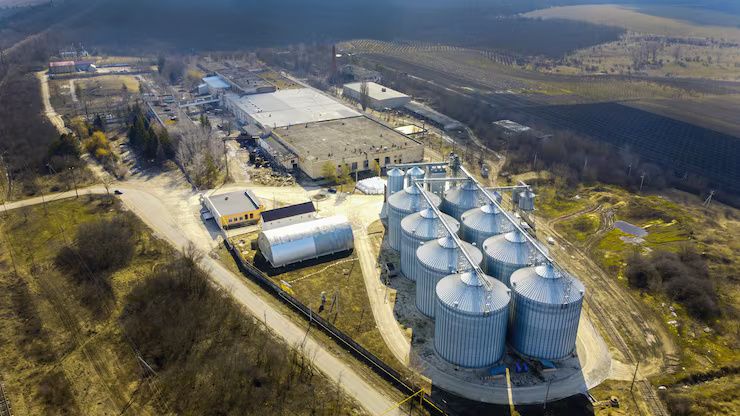
Next Gen Bio Fuels refer to advanced forms of bio-based fuels created using modern technologies and sustainable raw materials. They go beyond first-generation biofuels by using non-food biomass such as crop residues, forest waste, algae, and even industrial byproducts. The goal is to produce energy without negatively affecting food supply or causing large-scale environmental damage.
These fuels are often categorized as second-generation or third-generation biofuels. They are designed to be more efficient, cleaner, and more environmentally friendly than traditional fuels. By using renewable resources and innovative processing methods, Next Gen Bio Fuels provide a more sustainable energy solution for transportation, power generation, and industrial applications.
How Next Gen Bio Fuels Works
Next Gen Bio Fuels work by converting organic materials like plant waste, algae, or biomass into usable fuel through processes such as fermentation, gasification, or chemical conversion, where raw biological matter is broken down and refined into liquid or gaseous fuel that can power engines, generate electricity, or replace conventional fossil fuels.
Key Benefits of Next Gen Bio Fuels
Next Gen Bio Fuels offer several advantages that make them a strong alternative to traditional energy sources. They contribute to environmental sustainability while also supporting energy security.
- Reduce greenhouse gas emissions compared to fossil fuels
- Use renewable and widely available raw materials
- Help manage agricultural and industrial waste
- Lower dependency on non-renewable energy sources
- Support cleaner air and reduced pollution levels
- Encourage innovation in sustainable energy technologies
Practical Examples or Use Cases
| Category | Function | Example Use Case |
|---|---|---|
| Transportation | Fuel for vehicles and engines | Bioethanol used in cars and buses |
| Aviation | Sustainable aviation fuel | Bio-based jet fuel for commercial flights |
| Power Generation | Electricity production | Biomass plants generating clean power |
| Agriculture | Waste-to-energy conversion | Crop residue converted into biofuel |
| Marine Industry | Alternative fuel for ships | Biofuel-powered cargo vessels |
Tips or Best Practices
- Focus on using locally available biomass resources for better efficiency
- Encourage research into advanced processing technologies
- Promote awareness about sustainable energy alternatives
- Support policies that encourage renewable energy adoption
Common Mistakes to Avoid
A common mistake beginners make when understanding Next Gen Bio Fuels is assuming all biofuels are equally sustainable. In reality, the source of raw materials and the production process play a crucial role in determining environmental impact. Another frequent misunderstanding is believing these fuels can completely replace fossil fuels immediately, while in practice, they are part of a gradual transition. Ignoring infrastructure requirements and technological limitations can also lead to unrealistic expectations about their widespread adoption.
Future Trends or Insights
Next Gen Bio Fuels are evolving quickly as technology advances and global demand for clean energy grows. Researchers and industries are continuously exploring new methods to improve efficiency and scalability.
- Increased use of algae-based biofuels due to high energy yield
- Integration with carbon capture technologies for cleaner production
- Expansion of biofuel use in aviation and heavy transport sectors
- Development of more efficient conversion technologies
- Growing government support for renewable energy initiatives
Frequently Asked Questions (FAQ)
1. What makes Next Gen Bio Fuels different from traditional biofuels?
Next Gen Bio Fuels use non-food biomass and advanced technologies, making them more sustainable and efficient than traditional biofuels.
2. Are Next Gen Bio Fuels environmentally friendly?
Yes, they generally produce lower emissions and use renewable resources, making them a cleaner alternative to fossil fuels.
3. Can Next Gen Bio Fuels replace fossil fuels completely?
They have strong potential but are currently part of a broader energy mix rather than a complete replacement.
4. What materials are used to produce Next Gen Bio Fuels?
Common materials include agricultural waste, algae, forest residues, and industrial byproducts.
5. Where are Next Gen Bio Fuels commonly used?
They are used in transportation, aviation, power generation, and industrial applications.
Conclusion
Next Gen Bio Fuels represent a significant step forward in the journey toward sustainable energy. By using innovative technologies and renewable materials, they address many of the challenges associated with traditional fuels. Their ability to reduce emissions while utilizing waste resources makes them an important solution for a cleaner future.
As global energy demands continue to rise, the importance of Next Gen Bio Fuels will only grow. While challenges remain, ongoing research and development are paving the way for wider adoption. Understanding and supporting these advancements can help create a more sustainable and environmentally responsible energy system.

Related Post...
Renewable Diesel Fuels: A Practical Guide to Cleaner Energy Solutions
Updated: April 16, 2026
Read More
Industrial Noise System Guide: Practical Insights, Basics & Smart Solutions
Updated: April 18, 2026
Read More