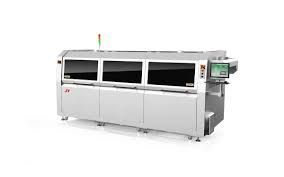
The primary purpose of these machines is to convert large tissue rolls into neatly folded napkins ready for packaging and distribution. They are widely used in industries where disposable hygiene products are essential.
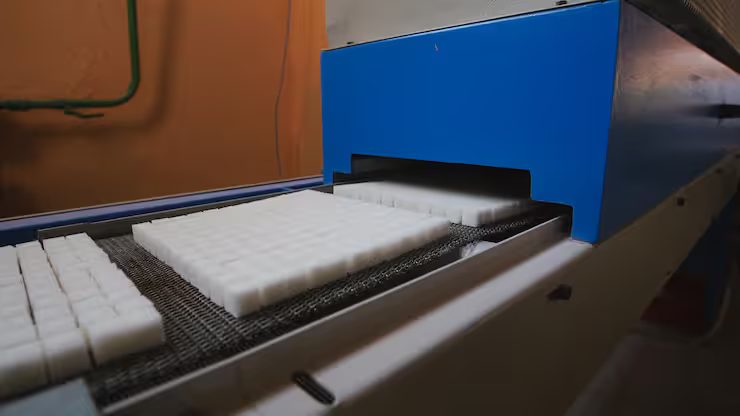
How Napkin Folding Machines Work
Napkin folding machines operate through a combination of mechanical, pneumatic, and electronic systems. The process typically involves feeding, embossing, folding, cutting, and stacking.
The workflow begins with jumbo tissue rolls being loaded into the machine. The paper is then guided through rollers that control tension and alignment. Embossing units may imprint patterns for branding or texture. Folding mechanisms then shape the napkins into desired formats, followed by cutting systems that separate them into individual pieces. Finally, stacking units organize the folded napkins for packaging.
Automation systems, including programmable logic controllers (PLC), manage speed, accuracy, and synchronization of each stage.
Importance and Real-World Applications
Napkin folding machines are essential for maintaining efficiency and hygiene in mass production environments. Manual folding is impractical for large-scale operations, making automation necessary.
These machines are commonly used in:
- Restaurants and hospitality chains
- Catering and event management companies
- Healthcare facilities requiring hygienic disposables
- Retail packaging for tissue products
- Airline and railway catering services
They help solve key challenges such as:
- Inconsistent folding quality
- High labor dependency
- Low production speed
- Hygiene concerns in manual handling
Key Features of Napkin Folding Machines
Advanced Features
- High-speed production capabilities (up to thousands of napkins per minute)
- Automated counting and stacking systems
- Precision folding with minimal waste
- Adjustable folding patterns
- Integration with packaging lines
Core Components
- Unwinding unit for tissue rolls
- Embossing rollers
- Folding plates or vacuum folding systems
- Cutting blades
- Conveyor and stacking units
- Control panel with PLC interface
Types of Machines
- Quarter-fold napkin machines
- Interfold (V-fold) napkin machines
- Dispenser napkin folding machines
- Cocktail napkin folding machines
Comparison of Napkin Folding Machine Types
| Machine Type | Folding Style | Common Use Case | Output Speed |
|---|---|---|---|
| Quarter Fold | 1/4 fold | Restaurants, bulk packaging | Medium to High |
| Interfold (V-Fold) | Interlocking | Dispenser systems | High |
| Cocktail Napkin Machine | Small square | Bars and cafes | Medium |
| Dispenser Fold Machine | Pop-up style | Fast-food chains | Very High |
Recent Trends and Developments (2025–2026)
The tissue converting industry has seen several advancements in napkin folding technology over the past year:
- AI-driven automation (2025): Integration of smart sensors and machine learning algorithms for predictive maintenance and quality control.
- Energy-efficient systems (2025): Machines now feature optimized motors and reduced power consumption designs.
- Compact modular machines (2026): Space-saving designs suitable for small and medium-scale production units.
- Sustainable production focus (2025–2026): Compatibility with recycled paper materials and reduced waste generation.
- IoT-enabled monitoring (2026): Real-time performance tracking and remote diagnostics through connected systems.
These innovations are improving productivity while aligning with environmental and operational efficiency goals.
Regulations and Compliance
Napkin folding machines and their output must comply with various industrial and hygiene standards, especially in food-related applications.
Key regulatory considerations include:
- Food-grade material handling standards
- Workplace safety regulations for industrial machinery
- Environmental compliance for paper waste management
- Hygiene and sanitation standards in tissue production
Manufacturers often follow international standards such as ISO certifications for quality management and safety.
Tools and Learning Resources
Understanding and operating napkin folding machines effectively requires technical knowledge and access to the right tools.
Useful Tools
- PLC programming software for automation control
- Industrial maintenance diagnostic tools
- Production monitoring dashboards
- CAD software for machine design and customization
Learning Resources
- Industrial automation courses
- Mechanical engineering training modules
- Online platforms offering manufacturing technology education
- Technical manuals provided by machine manufacturers
Advantages of Using Napkin Folding Machines
Key Benefits
- Consistent product quality
- Increased production speed
- Reduced labor requirements
- Improved hygiene standards
- Lower material wastage
These benefits make them indispensable in modern tissue converting operations.
Challenges and Limitations
Despite their advantages, napkin folding machines also present certain challenges:
- Initial setup complexity
- Requirement for skilled operators
- Maintenance and downtime risks
- Adaptation to different paper qualities
Addressing these challenges requires proper training and regular maintenance planning.
FAQs
What is a napkin folding machine used for?
A napkin folding machine is used to fold tissue paper into standardized napkin formats for commercial and industrial use.
How fast can these machines operate?
Depending on the type, they can produce hundreds to thousands of napkins per minute.
Are these machines suitable for small businesses?
Yes, compact and modular versions are available for small and medium-scale operations.
What materials can be used in these machines?
They typically process tissue paper, including recycled and virgin pulp materials.
Do these machines require regular maintenance?
Yes, routine maintenance is essential to ensure efficiency, safety, and long operational life.
Conclusion
Napkin folding machines are a vital component of the tissue converting industry, enabling efficient, hygienic, and high-speed production of disposable napkins. With advancements in automation, energy efficiency, and smart monitoring, these machines continue to evolve to meet modern manufacturing demands.
Their ability to streamline production while maintaining quality makes them essential for industries ranging from hospitality to healthcare. Understanding their functionality, features, and applications helps businesses and professionals make informed decisions in adopting and managing this technology.