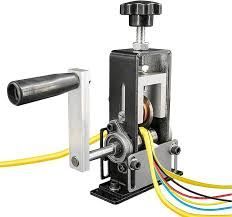
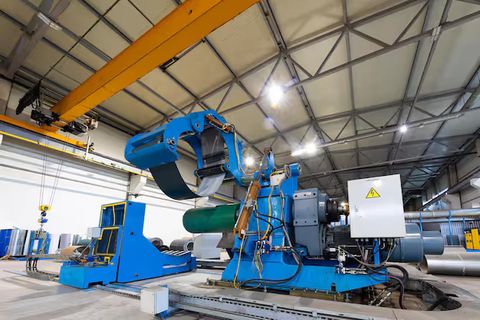
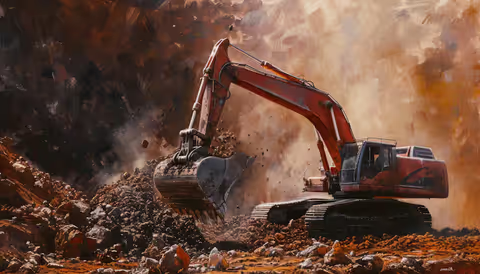
The purpose of machine evolution is to reduce human effort, increase accuracy, and enable complex tasks that were once impossible. Today, machines not only perform physical tasks but also process data, learn patterns, and make decisions.
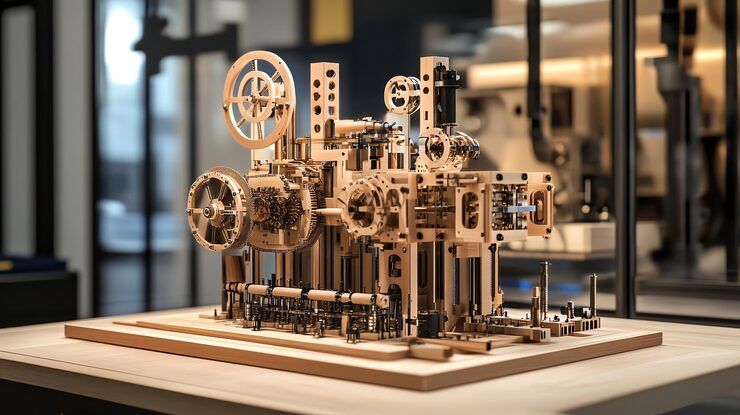
How Machine Evolution Works
Machine evolution is driven by advancements in multiple fields, including engineering, computing, and data science. It typically progresses through stages:
- Mechanical systems powered by human or natural energy
- Electrified machines using motors and power systems
- Automated systems with programmed instructions
- Intelligent machines using artificial intelligence and machine learning
Each stage builds on the previous one, adding new capabilities such as precision control, automation, and adaptive learning.
Modern machines operate through a combination of hardware and software:
- Sensors collect real-world data
- Processors analyze and interpret information
- Actuators perform actions based on decisions
- Software algorithms control logic and learning
Evolution Timeline of Machines
| Era | Key Development | Impact |
|---|---|---|
| Pre-Industrial Age | Simple tools and manual devices | Basic human assistance |
| Industrial Revolution (18th–19th century) | Steam engines, mechanization | Mass production |
| Early 20th Century | Electrification, assembly lines | Increased efficiency |
| Late 20th Century | Computers, automation | Digital transformation |
| 21st Century | AI, robotics, IoT | Intelligent systems |
Importance of Machine Evolution
Machine evolution is essential for economic growth, technological advancement, and improved quality of life. It allows industries to scale operations, reduce errors, and enhance productivity.
Key reasons why it matters:
- Improves efficiency in manufacturing and services
- Reduces manual labor and operational risks
- Enables innovation in healthcare, transport, and communication
- Supports data-driven decision-making
- Enhances precision in complex tasks
Real-World Use Cases
Machines are now deeply integrated into daily life and industrial operations.
Healthcare
- Robotic surgery systems improve precision
- AI-powered diagnostics analyze medical images
- Automated lab equipment speeds up testing
Manufacturing
- Industrial robots handle assembly lines
- CNC machines produce high-precision components
- Predictive maintenance reduces downtime
Transportation
- Autonomous vehicles use sensors and AI
- Smart traffic systems optimize flow
- Aircraft systems rely on automated controls
Agriculture
- Smart irrigation systems conserve water
- Drones monitor crop health
- Automated tractors improve efficiency
Information Technology
- Cloud computing infrastructure supports data processing
- Machine learning models analyze large datasets
- Cybersecurity systems detect threats in real time
Problems Machine Evolution Solves
Machine evolution addresses many challenges faced by traditional systems:
- Reduces human error in critical operations
- Handles large-scale data processing
- Improves safety in hazardous environments
- Enhances speed and productivity
- Supports remote and automated operations
Key Features of Modern Machines
Intelligent Capabilities
- Learning from data using AI models
- Predictive analytics for decision-making
- Adaptive behavior based on input
Automation
- Minimal human intervention
- Continuous operation without fatigue
- High consistency in output
Connectivity
- Internet of Things (IoT) integration
- Real-time data sharing across systems
- Remote monitoring and control
Precision and Accuracy
- High-quality output with minimal variation
- Advanced sensors and calibration systems
Types of Machines in Modern Evolution
Mechanical Machines
- Operate using physical components
- Examples include engines and gears
- Use electrical energy for operation
- Examples include motors and generators
Automated Machines
- Follow programmed instructions
- Used in manufacturing and assembly
- Use artificial intelligence and machine learning
- Examples include robots and smart assistants
Recent Trends and Developments
Machine evolution has accelerated significantly in the past year, driven by advancements in AI, robotics, and computing.
AI Integration (2025–2026)
- Increased use of generative AI in automation
- Smarter decision-making systems in industries
- AI-powered robotics improving flexibility
Edge Computing Growth (2025)
- Data processing closer to the source
- Reduced latency in machine operations
- Improved performance in real-time applications
Robotics Expansion (2025–2026)
- Collaborative robots (cobots) working with humans
- Increased adoption in small and medium industries
- Improved safety and efficiency features
Sustainable Machines (2025)
- Energy-efficient systems reducing consumption
- Use of renewable energy in machine operations
- Eco-friendly manufacturing processes
Laws, Policies, and Regulations
Machine evolution is guided by various regulations to ensure safety, ethics, and reliability.
- Data protection laws regulate how machines handle user data
- AI governance frameworks ensure responsible use of intelligent systems
- Industrial safety standards define machine operation guidelines
- Environmental regulations promote energy-efficient technologies
Organizations must comply with these regulations to ensure safe deployment and ethical usage.
Useful Tools and Platforms
Modern machine development and operation rely on various tools and platforms:
Development Tools
- Python for machine learning and automation
- MATLAB for engineering simulations
- TensorFlow for AI model development
Industrial Platforms
- Siemens automation systems
- PLC (Programmable Logic Controllers)
- SCADA systems for monitoring
Cloud and Data Platforms
- AWS for scalable computing
- Microsoft Azure for AI services
- Google Cloud for data analytics
Learning Resources
- Online courses in robotics and AI
- Technical documentation and research papers
- Engineering simulation tools
Advantages and Limitations
Advantages
- Increased productivity and efficiency
- Improved accuracy and consistency
- Ability to perform complex tasks
- Reduced operational risks
Limitations
- High initial development complexity
- Dependence on technology infrastructure
- Data privacy and security concerns
- Need for skilled workforce
FAQs
What is machine evolution?
Machine evolution is the development of machines from simple mechanical tools to advanced intelligent systems capable of automation and decision-making.
How has machine evolution impacted industries?
It has improved efficiency, reduced manual labor, and enabled large-scale production and data-driven operations across sectors.
What technologies drive machine evolution?
Key technologies include artificial intelligence, machine learning, robotics, IoT, and cloud computing.
Are intelligent machines replacing human workers?
Machines are automating repetitive tasks, but they also create new opportunities in technology, maintenance, and innovation.
What is the future of machine evolution?
Future developments will focus on smarter, more autonomous, and energy-efficient machines integrated with advanced AI systems.
Conclusion
Machine evolution represents one of the most significant technological transformations in human history. From basic tools to intelligent systems, machines have continuously enhanced productivity, precision, and innovation. Modern advancements in artificial intelligence, robotics, and connectivity are pushing machines toward greater autonomy and adaptability.
As industries adopt smarter technologies, machine evolution will continue to shape economic growth, improve quality of life, and solve complex global challenges. Understanding its development, applications, and future trends is essential for adapting to a rapidly changing technological landscape.