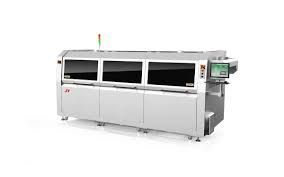
From aerospace components to automotive parts and even artistic designs, water jet cutting machines are widely used across different sectors. Their adaptability and integration with advanced automation systems and software platforms have further enhanced their efficiency. As industries continue to prioritize precision and sustainability, water jet cutting stands out as a reliable and forward-looking solution. This article provides a complete overview, including key features, benefits, practical applications, and future trends.
What is an Industrial Water Jet Cutting Machine?
An industrial water jet cutting machine is a manufacturing tool that uses a high-pressure stream of water to cut materials. In many cases, an abrasive substance like garnet is added to the water stream to increase cutting power, enabling the machine to cut hard materials such as metal, stone, and glass.
The core system typically includes a high-pressure pump, cutting head, abrasive delivery system, and control software. These machines are often integrated into advanced CNC (Computer Numerical Control) systems, allowing precise control over the cutting process.
There are two main types:
- Pure water jet cutting (used for soft materials like rubber and foam)
- Abrasive water jet cutting (used for hard materials like steel and ceramics)
Benefits and Importance
High Precision and Accuracy
Water jet cutting machines are known for their exceptional precision. With advanced control systems and software, they can produce intricate shapes with minimal error, making them suitable for industries requiring tight tolerances.
No Heat-Affected Zone
Unlike laser or plasma cutting, water jet cutting does not generate heat. This eliminates the risk of material distortion, ensuring the structural integrity of the material remains intact.
Versatility Across Materials
These machines can cut a wide range of materials, including metals, plastics, composites, glass, and stone. This flexibility reduces the need for multiple cutting tools or systems.
Environmentally Friendly
Water jet cutting is considered an eco-friendly solution. It produces minimal waste and does not emit harmful gases, making it a sustainable option for modern manufacturing.
Integration with Automation
Modern water jet systems are often integrated with automation tools and digital platforms. This allows for improved productivity, reduced manual intervention, and enhanced workflow management.
Key Features and Types
High-Pressure Pump System
The pump is the heart of the machine, generating pressures up to 60,000 PSI or more. This high pressure enables the water to cut through tough materials efficiently.
CNC Control Systems
CNC integration allows operators to program precise cutting paths using specialized software. This ensures consistent results and reduces human error.
Abrasive Delivery System
For cutting hard materials, an abrasive material is mixed with water. This enhances cutting capability and improves efficiency.
Multi-Axis Cutting Capability
Advanced machines support multi-axis movement, enabling complex 3D cutting operations. This is particularly useful in industries like aerospace and automotive manufacturing.
Types of Water Jet Machines
- 2D Water Jet Cutting Systems: Ideal for flat materials
- 3D Water Jet Cutting Systems: Used for complex shapes and contours
- Robotic Water Jet Systems: Integrated with robotic arms for advanced applications
Practical Use Cases and Real-Life Examples
Automotive Industry
Water jet cutting is used to manufacture car parts such as gaskets, panels, and interior components. Its precision ensures high-quality finishes without damaging materials.
Aerospace Sector
In aerospace, materials like titanium and composites require precise cutting without heat damage. Water jet systems provide the accuracy and reliability needed for these critical components.
Construction and Architecture
Water jet machines are used to cut stone, marble, and glass for decorative and structural purposes. They enable intricate designs that would be difficult with traditional tools.
Electronics Manufacturing
Delicate components in electronics require precise cutting. Water jet technology ensures clean edges without affecting the material’s properties.
Artistic and Custom Design
Artists and designers use water jet cutting for creating detailed patterns in metal, glass, and stone. This demonstrates the machine’s versatility beyond industrial applications.
Practical Tips and Guide
Choose the Right Machine Type
Select between pure and abrasive water jet systems based on the materials you plan to cut. Understanding your requirements is crucial for optimal performance.
Optimize Pressure Settings
Adjust pressure levels according to the material type. Higher pressure is suitable for harder materials, while lower pressure works well for softer ones.
Maintain the Equipment Regularly
Regular maintenance of pumps, nozzles, and filters ensures consistent performance and extends the machine’s lifespan.
Use Advanced Software Tools
Leverage modern software platforms for design and control. These tools help improve accuracy, reduce waste, and streamline operations.
Train Operators Effectively
Proper training ensures safe operation and maximizes efficiency. Skilled operators can better utilize the machine’s capabilities.
Challenges and Limitations
Initial Investment
Water jet cutting machines can require significant upfront investment due to their advanced systems and components.
Slower Cutting Speed
Compared to some other cutting technologies, water jet cutting may be slower, especially for thick materials.
Maintenance Requirements
Regular maintenance is essential to keep the system running efficiently. Components like nozzles and pumps may require periodic replacement.
Water and Abrasive Consumption
The process consumes water and abrasive materials, which need proper management and disposal.
Noise Levels
High-pressure systems can generate noise, requiring appropriate safety measures in industrial environments.
Future Trends
Integration with Smart Technologies
Water jet cutting machines are increasingly being integrated with smart automation systems and IoT-enabled platforms. This allows real-time monitoring and predictive maintenance.
Advanced Software Solutions
Modern software tools are enhancing design capabilities and improving cutting accuracy. AI-driven systems are expected to further optimize performance.
Improved Energy Efficiency
Manufacturers are focusing on developing energy-efficient systems to reduce operational impact and improve sustainability.
Expansion in New Industries
Water jet technology is finding applications in emerging sectors such as renewable energy and advanced materials processing.
Automation and Robotics
The use of robotic systems is growing, enabling fully automated cutting processes and increasing production efficiency.
Conclusion
Industrial water jet cutting machines represent a powerful and versatile solution for modern manufacturing needs. Their ability to cut a wide range of materials with high precision, without heat damage, makes them a preferred choice across industries. With advancements in automation, software, and smart systems, these machines are becoming even more efficient and adaptable.
While there are some challenges, such as maintenance and initial investment, the long-term benefits often outweigh the limitations. As technology continues to evolve, water jet cutting is expected to play an even more significant role in shaping the future of industrial production.