The primary purpose of a hydraulic hose is to carry fluid power efficiently while withstanding high pressure, temperature fluctuations, and environmental stress. Unlike rigid pipes, hydraulic hoses provide flexibility, allowing machines to operate with moving parts and dynamic connections.
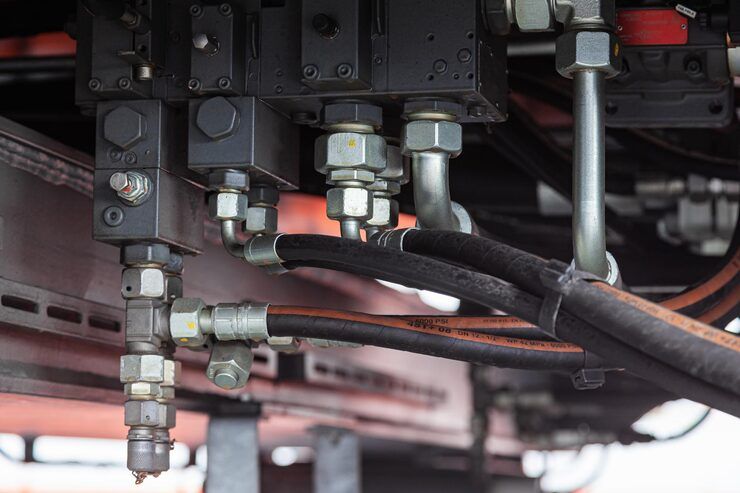
Hydraulic hoses play a crucial role in fluid power systems, where pressurized liquid is used to generate force and motion. Their reliability directly impacts system performance, safety, and efficiency.
Structure and Working Mechanism
A hydraulic hose is engineered with multiple layers, each serving a specific function to ensure durability and performance.
Key Components of Hydraulic Hose
-
Inner Tube
Made from synthetic rubber or thermoplastic, it carries the hydraulic fluid and resists chemical reactions. -
Reinforcement Layer
Typically constructed from braided or spiral steel wire, this layer provides strength to withstand high pressure. -
Outer Cover
Protects against abrasion, weather, oil, and external damage. -
Fittings and Couplings
Connect the hose to other hydraulic components, ensuring leak-proof operation.
The working mechanism is straightforward: hydraulic fluid is pressurized by a pump and transported through the hose to actuators such as cylinders or motors. The hose must maintain integrity under pressure while allowing flexibility for movement.
Types of Hydraulic Hoses
Hydraulic hoses are categorized based on construction, pressure rating, and application.
Common Types
-
Braided Hydraulic Hoses
Reinforced with braided steel wires, suitable for medium-pressure applications. -
Spiral Hydraulic Hoses
Designed with multiple spiral layers for high-pressure environments like heavy machinery. -
Thermoplastic Hoses
Lightweight and flexible, used in specialized applications such as material handling. -
Teflon (PTFE) Hoses
Resistant to high temperatures and chemicals, ideal for demanding industrial environments. -
Low-Pressure Hoses
Used for return lines or fluid transfer with minimal pressure requirements.
Each type is selected based on system pressure, temperature range, and environmental exposure.
Problems Hydraulic Hoses Solve
Hydraulic hoses address several engineering challenges:
- Enable flexible fluid transmission in moving systems
- Reduce vibration and mechanical stress
- Allow compact system design compared to rigid piping
- Support high-pressure operations safely
- Improve efficiency in power transmission
They are particularly valuable in environments where rigid connections would fail due to motion or space constraints.
Key Features and Performance Factors
Hydraulic hose performance depends on multiple technical factors.
Important Features
-
Pressure Rating
Determines the maximum operating pressure the hose can handle. -
Temperature Resistance
Ensures performance under extreme heat or cold. -
Flexibility and Bend Radius
Affects installation and movement capability. -
Abrasion Resistance
Protects against wear in harsh environments. -
Compatibility with Fluids
Prevents degradation when exposed to different hydraulic oils.
Selecting the right hose requires balancing these features based on application needs.
Hydraulic Hose Standards and Regulations
Hydraulic hoses must comply with industry standards to ensure safety and reliability.
Key Standards
-
SAE (Society of Automotive Engineers)
Defines pressure ratings and construction guidelines. -
ISO (International Organization for Standardization)
Provides global standards for hydraulic hose performance. -
EN Standards (European Norms)
Regulate safety and quality in European markets. -
OSHA Guidelines
Address workplace safety and proper handling of hydraulic systems.
Compliance with these standards ensures that hoses perform safely under demanding conditions and reduces the risk of system failure.
Recent Trends and Developments (2025–2026)
The hydraulic hose industry has seen notable advancements in the past year.
-
Smart Hose Technology (2025)
Integration of sensors to monitor pressure, temperature, and wear in real time. -
Eco-Friendly Materials (2025)
Development of recyclable and low-emission hose materials to meet sustainability goals. -
Improved Durability Coatings (2026)
Advanced outer layers that enhance resistance to abrasion and chemicals. -
Predictive Maintenance Systems (2026)
Use of data analytics to predict hose failure and reduce downtime. -
Lightweight High-Strength Designs (2025–2026)
New materials that reduce weight without compromising performance.
These innovations are improving efficiency, safety, and environmental impact across industries.
Tools, Platforms, and Learning Resources
Professionals and learners can access various resources to understand hydraulic hoses and systems.
Useful Tools and Platforms
-
Hydraulic Design Software
Helps engineers simulate fluid flow and pressure conditions. -
Online Engineering Courses
Platforms offering courses on fluid mechanics and hydraulic systems. -
Technical Manuals and Standards Documents
Provide detailed specifications and compliance guidelines. -
Industry Forums and Knowledge Bases
Communities where experts share insights and troubleshooting tips. -
Maintenance and Inspection Tools
Equipment used to test pressure, detect leaks, and ensure system integrity.
These resources support both beginners and experienced professionals in mastering hydraulic systems.
Hydraulic Hose Comparison Table
| Feature | Braided Hose | Spiral Hose | Thermoplastic Hose | PTFE Hose |
|---|---|---|---|---|
| Pressure Capacity | Medium | Very High | Medium | High |
| Flexibility | High | Moderate | Very High | Moderate |
| Temperature Resistance | Moderate | High | Moderate | Very High |
| Weight | Moderate | Heavy | Lightweight | Lightweight |
| Typical Use | General machinery | Heavy equipment | Specialized tasks | Chemical handling |
Maintenance and Safety Considerations
Proper maintenance extends the life of hydraulic hoses and prevents failures.
Best Practices
- Regular inspection for cracks, leaks, or wear
- Avoid exceeding pressure and temperature limits
- Ensure correct installation and routing
- Replace hoses periodically based on usage
- Use protective covers in harsh environments
Neglecting maintenance can lead to system breakdowns and safety hazards.
Frequently Asked Questions
What is the lifespan of a hydraulic hose?
The lifespan depends on usage, pressure conditions, and environment. Typically, hoses last between 3 to 5 years with proper maintenance.
How do you identify a damaged hydraulic hose?
Signs include visible cracks, leaks, bulging, or reduced performance. Regular inspection helps detect early issues.
Why is pressure rating important?
Pressure rating ensures the hose can handle system demands without failure, preventing accidents and equipment damage.
Can hydraulic hoses be repaired?
Minor issues like fittings may be replaced, but damaged hoses are generally replaced to maintain safety and reliability.
What causes hydraulic hose failure?
Common causes include excessive pressure, abrasion, improper installation, and exposure to extreme temperatures.
Conclusion
Hydraulic hoses are fundamental components in modern fluid power systems, enabling efficient and flexible transmission of energy. Their layered construction, adaptability, and ability to withstand high pressure make them indispensable across industries such as construction, agriculture, and manufacturing.
Understanding their structure, types, and performance factors helps ensure proper selection and maintenance. With recent advancements like smart monitoring and eco-friendly materials, hydraulic hoses are evolving to meet the demands of modern engineering.
By following standards, adopting new technologies, and maintaining hoses properly, industries can enhance safety, efficiency, and long-term reliability in hydraulic systems.