Whether you have a spare room or just a small corner, the right setup can make a big difference.
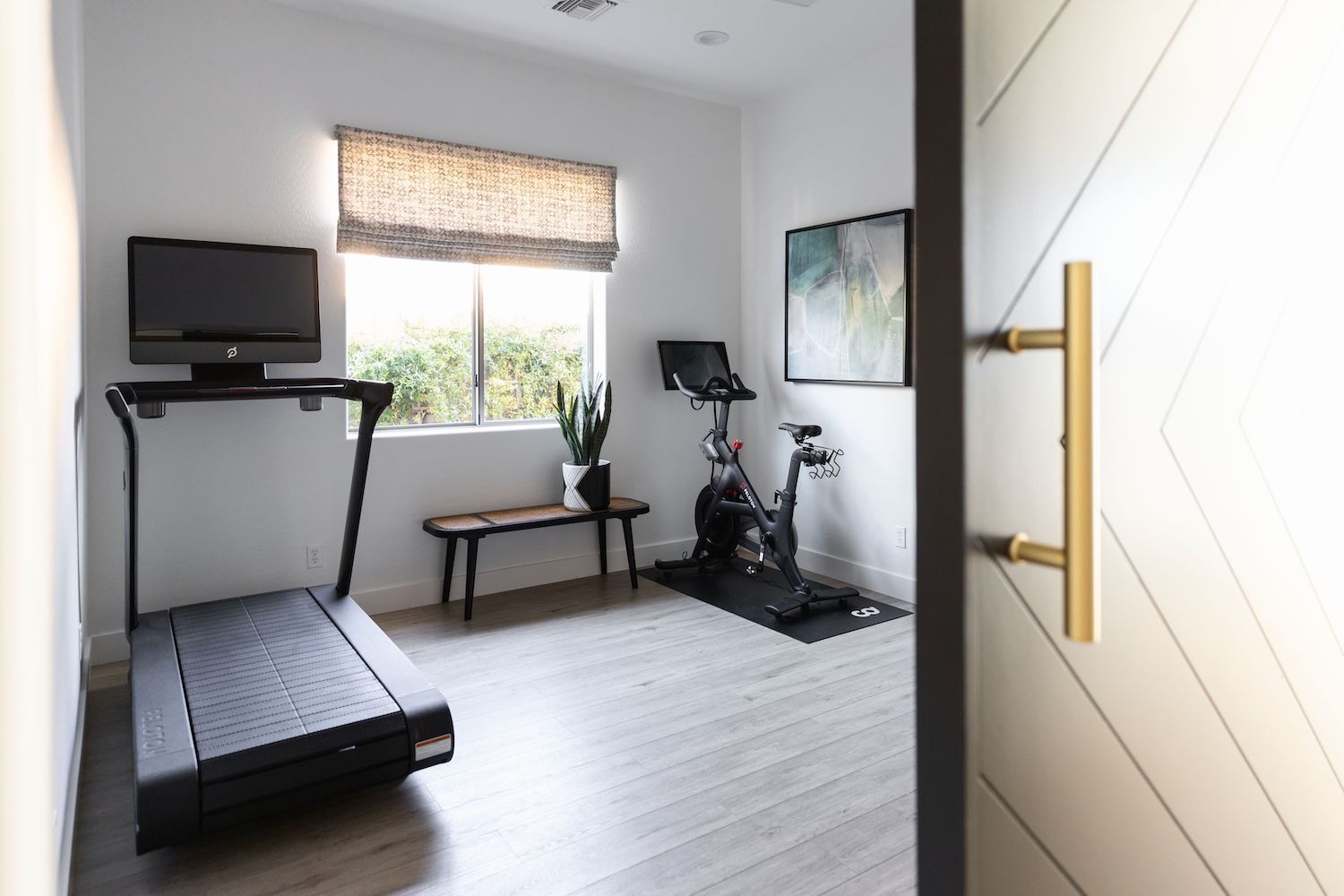
This guide walks you through practical home gym layout ideas, smart planning tips, and easy design basics to help you build a functional and comfortable workout area.
Why Layout Matters in a Home Gym
A good layout is not just about looks. It directly affects how you move, train, and stay consistent.
When your equipment is placed properly, you reduce clutter and avoid interruptions during workouts. A thoughtful home gym equipment layout also helps prevent injuries by giving you enough space to move safely.
For example, if your weights are too close to cardio machines, it can limit your movement. A clear layout keeps everything organized and easy to access.
Planning Your Home Gym Space
Before you start arranging equipment, take time to plan. This step saves effort later and helps you avoid common mistakes.
Measure Your Space
Start by measuring the room or area. Note ceiling height, wall space, and floor dimensions. This is especially important for a home gym setup for small space where every inch matters.
If you are setting up in an apartment, consider noise and vibration. A home gym layout for apartments should include space for mats or flooring to reduce impact.
Define Your Fitness Goals
Your layout depends on how you train.
If you focus on strength training, you will need space for weights and racks. If cardio is your main activity, machines like treadmills or bikes will take priority.
A home gym layout for weight training will look very different from one focused on yoga or cardio.
Create Activity Zones
Divide your gym into zones. This makes your workouts smoother and more organized.
Common zones include:
- Strength training area
- Cardio area
- Stretching or recovery space
Even in a small room, zoning helps you stay structured.
Smart Home Gym Layout Ideas
Now let’s explore practical layout ideas that work for different spaces.
Compact Layout for Small Spaces
A home gym setup for small space needs smart choices. Use multi-purpose equipment like adjustable dumbbells or foldable benches.
Place equipment along the walls to keep the center open. Wall-mounted racks can store weights without taking floor space.
Mirrors can make the room feel larger and help you check your form.
Dedicated Room Design
If you have a spare room, you can create a more structured home gym room design.
Place large machines like treadmills along one side. Keep free weights in another section. Use shelves or cabinets to store accessories.
Good lighting and ventilation can make the space more comfortable and inviting.
Open Layout for Flexibility
An open layout works well if you prefer different types of workouts.
Keep equipment minimal and leave more floor space. This is ideal for activities like yoga, HIIT, or functional training.
A smart home gym setup with equipment can combine compact machines with open areas for movement.
Choosing the Right Equipment Placement
Proper placement is key to a smooth workout experience.
Cardio Equipment Placement
Cardio machines should be placed where there is enough airflow. Near a window is ideal.
Leave space around the machine so you can get on and off safely.
Strength Training Area
Keep weights, benches, and racks together. This creates a focused training zone.
Ensure there is enough space for lifting movements like squats or deadlifts. A well-planned home gym equipment layout reduces the risk of accidents.
Storage Solutions
Clutter can ruin your gym experience.
Use racks, shelves, or storage bins to organize smaller items like resistance bands, mats, or accessories.
Vertical storage is especially useful in small spaces.
Flooring and Safety Considerations
Flooring plays a big role in both safety and comfort.
Choosing the Right Flooring
Home gym flooring and layout go hand in hand. Rubber flooring is a popular choice because it absorbs impact and protects your floor.
Foam mats work well for yoga or light workouts.
Preventing Injuries
Make sure your layout allows enough space between equipment.
Avoid placing items too close together. Clear walkways are important for safe movement.
Proper flooring also reduces the risk of slips and injuries.
Designing for Comfort and Motivation
A good gym is not just functional. It should also feel motivating.
Lighting and Ventilation
Natural light can improve your mood and energy levels.
If windows are not available, use bright lighting that mimics daylight.
Proper ventilation keeps the space fresh and comfortable.
Personal Touches
Add elements that inspire you.
This could be motivational quotes, a music system, or even a simple color theme.
A well-designed home gym room design can make workouts more enjoyable.
Layout Tips for Apartments
Living in an apartment comes with space and noise challenges, but you can still create an effective gym.
Noise Control
Use rubber mats to reduce noise and vibration.
This is important for a home gym layout for apartments where neighbors are close.
Space Optimization
Choose compact or foldable equipment.
Use corners and vertical storage to maximize space.
Keep the layout simple to avoid overcrowding.
Exploring Professional Design Support
Sometimes, planning everything on your own can feel overwhelming.
Home gym design services or expert home gym consultation services can help you create a well-balanced layout. These professionals understand space planning, equipment placement, and design flow.
A home gym design consultation can also help you avoid common mistakes and make better use of your space.
Equipment Packages and Smart Setups
If you are starting from scratch, home gym equipment packages can simplify your setup.
These packages often include essential items that work well together, making it easier to plan your layout.
A smart home gym setup with equipment focuses on efficiency. This means choosing equipment that fits your space and supports multiple exercises.
Common Mistakes to Avoid
Even a small mistake can affect your workout experience. Here are a few to watch out for.
Overcrowding the Space
Too much equipment can make your gym feel cramped.
Focus on what you really need and leave room for movement.
Ignoring Layout Flow
Your layout should allow smooth transitions between exercises.
Avoid placing equipment in a way that interrupts your workout flow.
Skipping Storage
Without proper storage, your gym can quickly become messy.
Plan storage solutions from the beginning.
Real-Life Example
Imagine setting up a gym in a small apartment room.
You place a foldable treadmill near the window for airflow. Adjustable dumbbells and a compact bench go against one wall. A yoga mat is placed in the center for stretching.
A small rack holds accessories like resistance bands. Rubber mats cover the floor to reduce noise.
This simple setup follows smart home gym layout ideas and creates a balanced space without feeling crowded.
Final Thoughts
Designing a home gym does not have to be complicated. With the right planning and layout, even a small space can become a powerful workout area.
Focus on your fitness goals, choose the right equipment, and organize your space thoughtfully. Whether you are working with a compact corner or a full room, a well-planned layout can make your workouts more effective and enjoyable.