Whether in homes, commercial setups, or industrial environments, these units help prevent damage, overheating, and potential hazards.
In this guide, we’ll break down what fuse assembly units are, how they work, and why they matter. The goal is to make the topic easy to understand, even if you’re not from a technical background.
What Are Fuse Assembly Units?
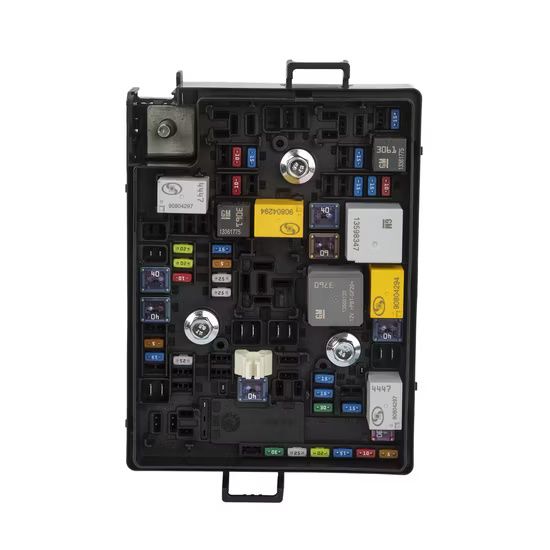
Fuse assembly units are electrical components designed to protect circuits from excessive current. They contain a fuse element that melts when the current exceeds a safe level. This simple mechanism interrupts the electrical flow and prevents damage to connected devices.
These units are usually housed in protective casings and can be found in distribution boards, machinery, and various electrical panels. Their design allows for easy replacement once the fuse has blown.
In simple terms, they act like a safety checkpoint. When something goes wrong, they step in and stop the problem from spreading further.
Key Functions of Fuse Assembly Units
- Protect electrical circuits from overload and short circuits
- Prevent overheating of wires and components
- Reduce the risk of electrical fires
- Provide a simple and reliable safety mechanism
Types of Fuse Assembly Units
Not all fuse assembly units are the same. They come in different types depending on their application and design.
Cartridge Fuse Units
These are commonly used in residential and commercial systems. The fuse element is enclosed in a cylindrical body, making it safe and easy to handle.
Rewirable Fuse Units
Often found in older installations, these allow users to replace the fuse wire manually. While still functional, they are gradually being replaced by more modern solutions.
High Rupturing Capacity (HRC) Units
These are used in industrial settings. They can handle higher fault currents and provide faster response times.
Drop-out Fuse Units
Typically used in outdoor electrical systems, especially in power distribution. They drop open when the fuse blows, making it easy to identify faults.
Comparison Table of Fuse Types
| Fuse Type | Common Use Area | Key Feature | Ease of Replacement |
|---|---|---|---|
| Cartridge Fuse | Homes, offices | Enclosed design | Easy |
| Rewirable Fuse | Older systems | Replaceable wire | Moderate |
| HRC Fuse | Industrial setups | Handles high current | Easy |
| Drop-out Fuse | Outdoor distribution | Visible fault indication | Easy |
How Fuse Assembly Units Work
The working principle is simple yet effective. Each fuse contains a metal wire or strip designed to melt at a specific current level.
When the current flowing through the circuit exceeds the safe limit, the fuse element heats up. Once it reaches a critical temperature, it melts and breaks the circuit. This stops the flow of electricity instantly.
After the fuse operates, it needs to be replaced before the circuit can function again.
Why This Matters
Without fuse assembly units, electrical systems would be far more vulnerable. Overloads could damage appliances, wiring could overheat, and the risk of accidents would increase.
The simplicity of their design is actually their strength. There are no complex mechanisms involved, which makes them highly reliable.
Components of a Fuse Assembly Unit
Understanding the parts can help you better appreciate how these units function.
Fuse Element
This is the core component. It is made from a material that melts at a specific temperature.
Fuse Holder
The holder keeps the fuse in place and ensures proper electrical contact. It also allows for safe replacement.
Terminals
These connect the fuse assembly unit to the circuit. They ensure the flow of electricity through the fuse.
Protective Casing
The outer casing protects the fuse from external damage and prevents accidental contact.
Each component works together to ensure safety and efficiency.
Common Applications of Fuse Assembly Units
Fuse assembly units are used across a wide range of settings. Their versatility makes them a standard choice in electrical systems.
Residential Use
In homes, they are commonly found in distribution boards. They protect lighting circuits, appliances, and other electrical systems.
Commercial Buildings
Offices, malls, and institutions use fuse assembly units to safeguard equipment and ensure smooth operation.
Industrial Environments
Factories and heavy machinery rely on robust fuse units like HRC types. These handle higher loads and provide quick response during faults.
Outdoor Electrical Systems
They are also used in power distribution networks, especially in areas where visibility of faults is important.
Advantages of Using Fuse Assembly Units
Fuse assembly units offer several practical benefits. Their continued use across industries highlights their reliability.
Simple Design
They are easy to understand and operate. There are no complex electronics involved.
Quick Response
They react instantly to excessive current, reducing the risk of damage.
Cost-Effective Protection
Compared to more advanced systems, they provide basic protection without complexity.
Easy Replacement
Once a fuse blows, replacing it is usually straightforward.
Reliable Performance
They have been used for decades and continue to perform effectively.
Limitations to Be Aware Of
While useful, fuse assembly units are not without limitations.
- They need to be replaced after each operation
- Incorrect replacement can affect performance
- They may not provide detailed fault information
- Not reusable once the fuse element melts
Understanding these limitations helps in choosing the right protection system for specific needs.
Tips for Using Fuse Assembly Units Safely
Proper use ensures better performance and safety.
Choose the Right Rating
Always use a fuse with the correct current rating. Using a higher rating can reduce protection.
Avoid Improvised Fixes
Never use makeshift materials to replace a fuse element. This can be dangerous.
Regular Inspection
Check fuse assembly units periodically for signs of wear or damage.
Keep Spare Fuses
Having spare fuses ensures quick replacement when needed.
Follow Manufacturer Guidelines
Always adhere to recommended usage instructions for safe operation.
Fuse vs Circuit Breaker: A Quick Look
Many people wonder how fuse assembly units compare to circuit breakers. Both serve similar purposes but operate differently.
- Fuses melt and need replacement
- Circuit breakers trip and can be reset
- Fuses are simpler and faster in response
- Circuit breakers offer more control and reusability
Choosing between them depends on the application and requirements.
Conclusion
Fuse assembly units remain a fundamental part of electrical safety. Their simple design, quick response, and reliability make them a trusted choice in many systems.
While newer technologies are available, fuse assembly units still hold their place due to their effectiveness and ease of use. Understanding how they work and how to use them correctly can help maintain safer electrical environments.
By choosing the right type and following basic safety practices, you can ensure that your electrical systems stay protected and efficient.