That’s why having a well-planned fire safety system is not just important—it’s essential. Whether it’s a home, office, hospital, or data center, the right fire protection systems can protect lives, assets, and critical operations.
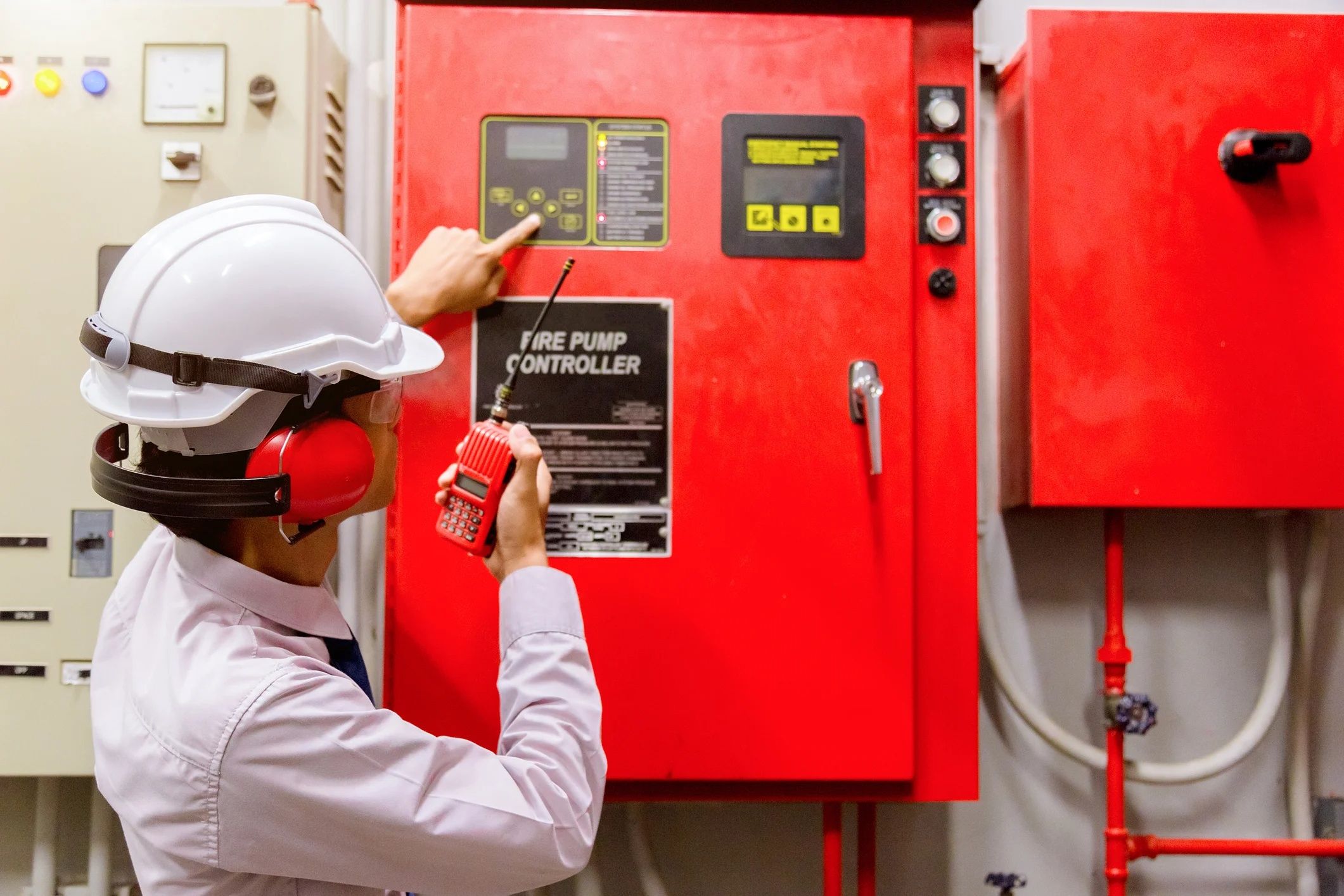
In this guide, you’ll learn how fire safety systems work, the different types available, and practical tips to choose and maintain the right setup.
What Is a Fire Safety System?
A fire safety system is a combination of tools, technologies, and processes designed to detect, alert, control, and reduce fire risks. It includes fire detection and alarm systems, suppression equipment, and monitoring solutions.
The goal is simple: detect fire early, alert people quickly, and control damage before it spreads.
For example, in a commercial building, sensors detect smoke, alarms notify occupants, and sprinklers activate automatically to contain the fire.
Why Fire Protection Systems Matter
Fire protection systems are not just about compliance—they are about safety and continuity.
Here’s why they are critical:
- Early detection saves lives
- Quick response reduces damage
- Helps maintain business operations
- Protects sensitive equipment and data
- Builds trust in workplaces and public spaces
Think about a hospital. Patients may not be able to evacuate quickly. A well-designed fire safety system for hospitals ensures immediate detection and controlled evacuation without panic.
Types of Fire Safety Systems
Understanding the different types helps you choose the right combination for your needs.
Fire Detection and Alarm Systems
These systems detect fire indicators like smoke, heat, or flames. Once detected, they trigger alarms to warn people.
Common components include:
- Smoke detectors
- Heat detectors
- Manual call points
- Alarm sirens and strobes
Modern fire detection and alarm systems can also send alerts to monitoring centers for faster response.
Fire Suppression Systems
Suppression systems control or extinguish fires automatically.
Examples include:
- Sprinkler systems
- Gas-based suppression systems
- Foam systems for industrial areas
In data centers, water can damage equipment. That’s why a fire safety system for data centers often uses clean agents instead of water.
Fire Alarm System Installation
Proper fire alarm system installation is crucial. Even the best equipment won’t perform well if installed incorrectly.
Placement matters. For instance, smoke detectors should be installed in areas where smoke is likely to travel, not blocked by walls or furniture.
Passive Fire Protection
This includes structural elements that prevent fire spread.
Examples:
- Fire-resistant walls
- Fire doors
- Insulated materials
These features slow down fire, giving people more time to evacuate.
Commercial Fire Safety Systems
Commercial spaces require advanced setups because of higher occupancy and complexity.
Commercial fire safety systems often include:
- Integrated alarm and suppression systems
- Emergency lighting
- Voice evacuation systems
- Central monitoring solutions
For example, in a shopping mall, alarms not only ring but also guide people through announcements.
Specialized Fire Safety Systems
Different environments require tailored solutions.
Fire Safety System for Hospitals
Hospitals need highly sensitive detection systems and controlled evacuation plans.
Key features include:
- Silent alarms for staff alerts
- Zoned evacuation
- Backup power systems
The focus is on patient safety without causing panic.
Fire Safety System for Data Centers
Data centers store critical information. Even minor damage can lead to huge losses.
Key elements include:
- Early smoke detection systems
- Gas-based suppression
- Continuous monitoring
These systems are designed to act fast without harming equipment.
Fire Safety System Design Services
A well-designed system is the backbone of effective fire protection.
Fire safety system design services focus on:
- Risk assessment
- Layout planning
- Equipment selection
- Compliance with safety standards
For example, a warehouse storing flammable materials requires a different design compared to an office.
Good design ensures that every corner is protected and response time is minimized.
Fire Safety System Contractors
Experienced fire safety system contractors play a key role in planning and execution.
They handle:
- System setup
- Equipment integration
- Testing and calibration
Choosing skilled professionals ensures that the system works as intended during emergencies.
Fire Safety System Monitoring Solutions
Monitoring solutions add an extra layer of protection.
These systems track activity in real time and send alerts if something unusual happens.
Benefits include:
- Immediate alerts to authorities
- Remote monitoring capabilities
- Reduced response time
For example, if a fire starts after office hours, monitoring systems can trigger alerts even when no one is present.
Fire Safety Training Services
Even the best systems need people who know how to respond.
Fire safety training services help individuals understand:
- How to use fire extinguishers
- Emergency evacuation procedures
- Basic fire prevention techniques
In workplaces, regular training ensures that employees stay prepared and calm during emergencies.
Best Fire Safety Systems 2026: What’s Changing?
Fire safety technology is evolving quickly. The best fire safety systems 2026 focus on smart integration and automation.
Key trends include:
- AI-based fire detection for faster response
- Smart sensors that reduce false alarms
- Cloud-connected monitoring systems
- Integration with building management systems
For example, smart systems can analyze patterns and detect unusual heat changes before a fire even starts.
Practical Tips for Choosing a Fire Safety System
Choosing the right system doesn’t have to be complicated. Here are some simple tips:
Understand Your Risk
Different spaces have different risks.
- Homes: kitchen fires, electrical faults
- Offices: wiring issues, equipment overheating
- Industries: chemical hazards
Identify the most likely risks first.
Focus on Early Detection
Early detection is the most effective way to prevent major damage.
Install high-quality smoke and heat detectors in key areas.
Combine Multiple Systems
Relying on a single system is not enough.
Combine:
- Detection systems
- Alarm systems
- Suppression systems
This layered approach improves safety.
Regular Maintenance
Even the best systems can fail if not maintained.
Check:
- Battery levels
- Sensor performance
- Alarm functionality
Routine checks ensure reliability.
Train People
Technology alone is not enough.
People should know:
- Where exits are
- How to respond to alarms
- Basic fire safety practices
Real-Life Example
Imagine a small office with no proper fire detection system. A short circuit causes a fire at night. No one notices until it spreads, leading to major damage.
Now compare that with an office equipped with fire safety system monitoring solutions. The system detects smoke instantly and sends alerts. The issue is addressed quickly, reducing damage significantly.
The difference is preparation.
Common Mistakes to Avoid
Many people make simple mistakes that reduce effectiveness.
Avoid these:
- Ignoring regular maintenance
- Installing detectors in the wrong locations
- Not updating outdated systems
- Skipping training sessions
Even a small oversight can lead to serious consequences.
How Fire Safety Systems Improve Everyday Life
Fire safety systems are not just for emergencies. They create a sense of security.
In homes, families feel safer.
In offices, employees focus better.
In public spaces, people feel protected.
Safety is not just about reacting to danger—it’s about preventing it.
Final Thoughts
A fire safety system is more than just equipment. It’s a complete approach to protection. From fire detection and alarm systems to advanced monitoring solutions, every element plays a role.
Whether you are managing a home, office, hospital, or data center, investing time in the right setup can make a huge difference. Combine smart technology, proper design, and regular training to create a safer environment.