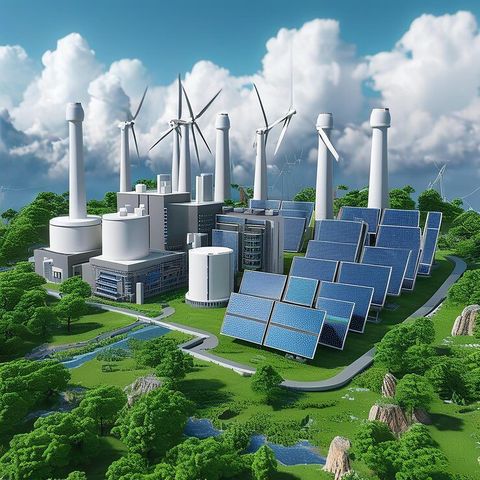
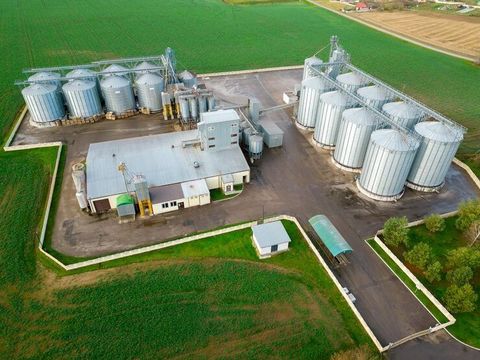
The purpose of fiberglass manufacturing is to produce a material that combines the strength of glass with the flexibility of polymers. This results in products that are both lightweight and capable of withstanding harsh environmental conditions.
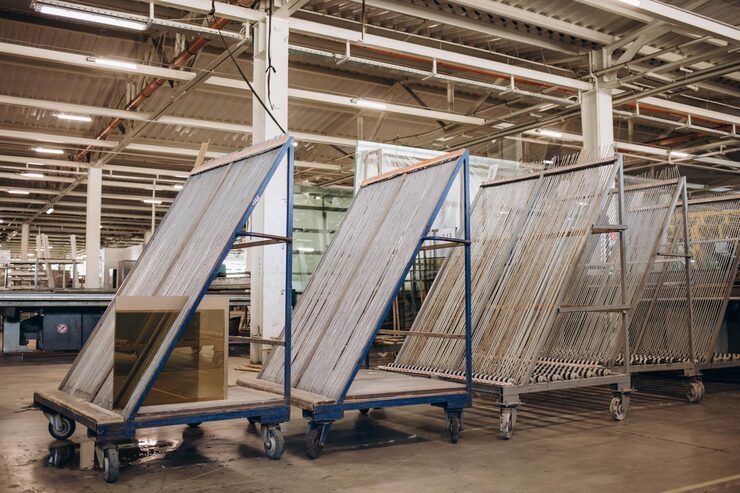
How Fiberglass Manufacturing Works
Fiberglass production begins with raw materials such as silica sand, limestone, and soda ash. These materials are melted at high temperatures and transformed into fine fibers.
The process typically involves the following steps:
- Raw material preparation and mixing
- Melting in a furnace at temperatures above 1400°C
- Fiber formation through extrusion or spinning
- Application of chemical coatings (sizing)
- Collection into strands, mats, or fabrics
- Combination with resin systems to form composites
The fibers can be shaped into different forms depending on the intended application, such as woven cloth, chopped strands, or continuous filaments.
Key Components in Fiberglass Manufacturing
Raw Materials
- Silica sand (primary glass component)
- Limestone (stability and durability)
- Soda ash (reduces melting temperature)
- Alumina and other additives
Fiber Types
- E-glass (electrical insulation and general use)
- S-glass (high strength applications)
- C-glass (chemical resistance)
Resin Systems
- Polyester resin
- Epoxy resin
- Vinyl ester resin
These components determine the final strength, flexibility, and resistance properties of fiberglass products.
Types of Fiberglass Manufacturing Processes
Open Mold Process
- Hand lay-up method
- Spray-up technique
- Suitable for large structures
Closed Mold Process
- Resin transfer molding (RTM)
- Vacuum infusion
- Compression molding
- Pultrusion (continuous profiles)
- Filament winding (pipes, tanks)
Each method is selected based on production scale, precision, and performance requirements.
Applications of Fiberglass
Fiberglass is widely used due to its adaptability and in industrial manufacturing.
Construction Industry
- Roofing panels
- Insulation materials
- Reinforced concrete
Automotive Sector
- Body panels
- Interior components
- Lightweight structures
- Aircraft components
- Structural reinforcements
Renewable Energy
- Wind turbine blades
- Solar panel structures
- Boat hulls
- Water tanks
Importance of Fiberglass Manufacturing
Fiberglass manufacturing plays a crucial role in modern engineering and industrial production. It supports the development of lightweight and high-strength materials, which improve energy efficiency and structural performance.
Key benefits include:
- High strength-to-weight ratio
- Corrosion and chemical resistance
- Electrical insulation properties
- Design flexibility
- Long service life
These characteristics make fiberglass essential in industries focused on sustainability and performance optimization.
Problems Solved by Fiberglass Materials
Fiberglass addresses several limitations found in traditional materials like steel, wood, and aluminum.
- Reduces structural weight without compromising strength
- Prevents corrosion in harsh environments
- Enhances thermal and electrical insulation
- Improves durability in outdoor applications
- Enables complex shapes and designs
This makes fiberglass a preferred choice in sectors where reliability and longevity are critical.
Key Features of Fiberglass Materials
Mechanical Properties
- High tensile strength
- Impact resistance
- Dimensional stability
- Low thermal conductivity
- Heat resistance
Chemical Properties
- Resistance to acids and chemicals
- Non-reactive surface
- Excellent insulation capability
Recent Trends and Developments (2025–2026)
Fiberglass manufacturing has seen significant advancements in the last year, focusing on sustainability and automation.
- January 2025: Increased adoption of recyclable fiberglass materials to reduce environmental impact
- March 2025: Automation technologies introduced in fiber drawing processes for improved efficiency
- July 2025: Development of bio-based resins for eco-friendly composite production
- November 2025: Integration of AI-driven quality control systems in manufacturing plants
- Early 2026: Expansion of fiberglass use in electric vehicles and renewable energy infrastructure
These developments highlight a shift toward greener manufacturing and smarter production systems.
Regulations and Industry Standards
Fiberglass manufacturing is subject to various environmental and safety regulations to ensure worker protection and sustainable practices.
Key Regulations
- Occupational safety standards for handling glass fibers
- Emission control policies for furnace operations
- Waste management and recycling guidelines
Common Standards
- ISO standards for composite materials
- ASTM testing standards for fiberglass strength and durability
- Environmental compliance frameworks
Manufacturers must follow these regulations to maintain product quality and reduce environmental impact.
Useful Tools and Learning Resources
Tools Used in Manufacturing
- Fiber extrusion machines
- Pultrusion systems
- Resin mixing and curing equipment
- Quality testing instruments
Learning Resources
- Engineering textbooks on composite materials
- Online courses on materials science
- Industry research journals
- Technical webinars and workshops
These resources help professionals and students understand fiberglass technology and its applications.
Fiberglass vs Other Materials
| Feature | Fiberglass | Steel | Aluminum |
|---|---|---|---|
| Weight | Lightweight | Heavy | Medium |
| Strength | High | Very High | Moderate |
| Corrosion Resistance | Excellent | Low | Good |
| Efficiency | Moderate | Moderate | Higher |
| Flexibility | High | Low | Medium |
| Insulation | Excellent | Poor | Poor |
This comparison shows why fiberglass is widely used in modern engineering applications.
FAQs
What is fiberglass made of?
Fiberglass is made from silica-based glass combined with resins to create a composite material with enhanced strength and flexibility.
How strong is fiberglass compared to steel?
Fiberglass has a high strength-to-weight ratio, meaning it can be strong while being significantly lighter than steel.
Is fiberglass environmentally friendly?
Recent developments include recyclable fibers and bio-based resins, making fiberglass more sustainable than before.
Where is fiberglass commonly used?
It is used in construction, automotive, aerospace, marine, and renewable energy industries.
What are the main types of fiberglass?
The main types include E-glass, S-glass, and C-glass, each designed for specific applications.
Conclusion
Fiberglass manufacturing is a critical process in modern material science, enabling the production of strong, lightweight, and durable composites. Its wide range of applications across industries highlights its importance in improving efficiency, sustainability, and performance.
With ongoing advancements in automation, eco-friendly materials, and smart manufacturing technologies, fiberglass continues to evolve as a key material in future engineering solutions. Understanding its processes, components, and applications provides valuable insight into how modern industries achieve high-performance outcomes.