Without proper lubrication, even the strongest machines wear out faster than expected. That’s where industrial lubrication plays a critical role.
In this guide, you’ll learn how industrial lubrication products work, why they matter, and how to choose the right lubrication solutions for machinery. The goal is simple: keep machines running smoothly, efficiently, and for a longer time.
What Is Industrial Lubrication?
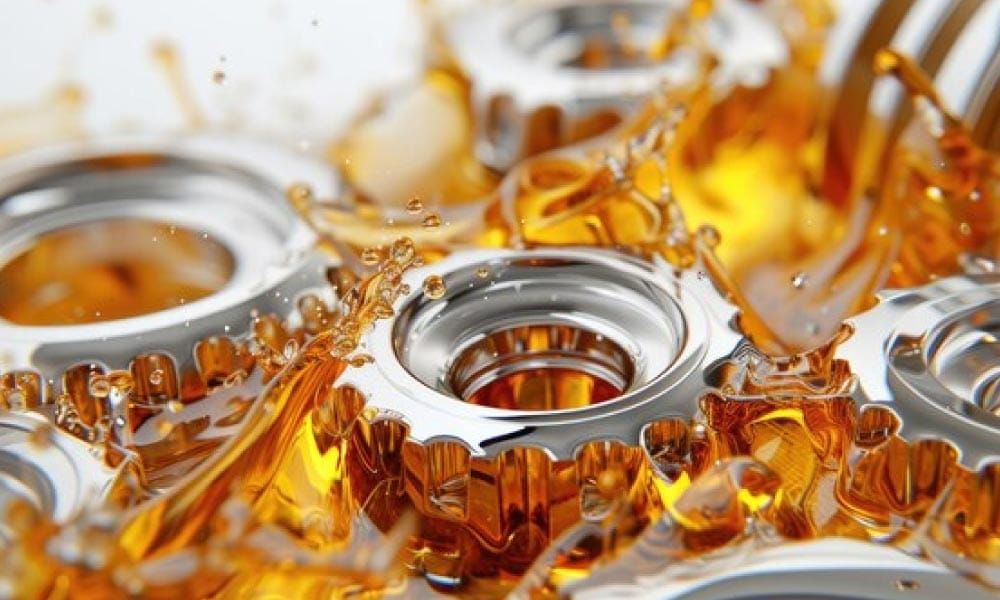
Industrial lubrication is the process of applying oils, greases, or synthetic fluids to reduce friction between moving parts in machines. It helps minimize wear, control temperature, and improve overall efficiency.
Think of lubrication like a protective layer. Without it, metal parts rub directly against each other, creating heat and damage. Over time, this leads to breakdowns and reduced performance.
Industrial grease and lubricants come in different forms depending on the machine type and operating conditions.
Why Industrial Lubrication Matters
Lubrication is not just about reducing friction. It directly affects productivity, energy use, and machine lifespan.
Here’s why it matters:
- Reduces wear and tear on components
- Improves machine efficiency and performance
- Helps manage heat in high-speed operations
- Protects against corrosion and contamination
- Supports smoother and quieter operation
For example, in a factory conveyor system, proper lubrication ensures continuous movement without sudden stoppages. Without it, parts can seize, causing downtime and delays.
Types of Industrial Lubrication Products
Different machines require different types of lubricants. Choosing the right one depends on speed, load, temperature, and environment.
Industrial Oils
Industrial oil lubrication systems use liquid lubricants to reduce friction and carry away heat.
Common uses include:
- Hydraulic systems
- Gearboxes
- Compressors
- Turbines
Oils flow easily, making them ideal for high-speed machinery.
Industrial Grease
Grease is thicker than oil and stays in place longer. It works well in parts that don’t require frequent reapplication.
Used in:
- Bearings
- Heavy-duty equipment
- Slow-moving components
Industrial grease and lubricants are especially useful where sealing is needed to keep out dust or water.
Synthetic Industrial Lubricants
Synthetic industrial lubricants are engineered for extreme conditions. They perform well under high temperatures and heavy loads.
Benefits include:
- Longer lifespan compared to conventional lubricants
- Better stability in harsh environments
- Improved energy efficiency
They are widely used in advanced manufacturing and precision machinery.
Understanding Industrial Lubrication Systems
Applying lubrication manually is not always practical, especially in large operations. That’s why industrial lubrication systems are used.
These systems deliver lubricant automatically to machine parts at the right time and in the right amount.
Manual Lubrication
This involves applying lubricant by hand using tools like grease guns or oil cans.
It works for:
- Small operations
- Simple machinery
However, it depends heavily on human accuracy and consistency.
Automatic Lubrication Systems
Automatic systems deliver lubricant continuously or at set intervals.
Advantages include:
- Consistent lubrication
- Reduced human error
- Better machine protection
These systems are commonly used in large-scale industries.
Centralized Lubrication Systems
In this setup, a single system supplies lubricant to multiple machines or parts.
This approach:
- Saves time
- Improves efficiency
- Ensures uniform lubrication
Industrial oil lubrication systems often use centralized designs in factories.
Choosing the Best Industrial Lubrication Solutions
Selecting the right lubrication solutions for machinery is not just about picking a product. It requires understanding the machine’s needs.
Consider Operating Conditions
Ask these questions:
- Is the machine exposed to high heat?
- Does it operate under heavy loads?
- Is it in a dusty or wet environment?
For example, mining equipment requires high performance industrial lubricants that can handle extreme pressure and contamination.
Match Lubricant Type to Application
Using the wrong lubricant can cause more harm than good.
- High-speed machines → use oil
- Heavy loads → use grease
- Extreme conditions → use synthetic lubricants
Focus on Efficiency
Energy efficient lubrication systems help reduce power consumption. When friction decreases, machines require less energy to operate.
This leads to smoother performance and better productivity.
Industrial Lubrication for Automotive Industry
The automotive sector depends heavily on lubrication. From engine assembly lines to robotic arms, every part needs proper lubrication.
Industrial lubrication for automotive industry includes:
- Engine component lubrication
- Gear and transmission systems
- Assembly line machinery
- Paint and finishing equipment
For example, robotic welding arms operate at high speed and precision. Without proper lubrication, accuracy drops and maintenance needs increase.
High performance industrial lubricants ensure smooth operation and consistent output.
Role of Industrial Lubricant Manufacturers
Industrial lubricant manufacturers develop products tailored for specific industries and applications.
They focus on:
- Improving lubricant performance
- Enhancing durability
- Reducing environmental impact
Modern manufacturers also invest in advanced formulations, such as synthetic industrial lubricants, to meet growing industrial demands.
When selecting a product, it’s important to consider quality, reliability, and compatibility with your machinery.
Industrial Lubrication Monitoring Systems
Monitoring lubrication is just as important as applying it. That’s where industrial lubrication monitoring systems come in.
These systems track:
- Lubricant levels
- Flow rates
- Temperature
- Equipment condition
Why Monitoring Matters
Without monitoring, problems can go unnoticed until damage occurs.
Monitoring systems help:
- Detect issues early
- Prevent machine failure
- Improve maintenance planning
For example, if a lubrication line gets blocked, a monitoring system can alert operators before the machine overheats.
This proactive approach reduces downtime and improves efficiency.
Industrial Lubrication Cost Estimation
Understanding industrial lubrication cost estimation helps businesses plan better and avoid unexpected expenses.
Even though lubrication may seem like a small part of operations, it has a big impact on overall efficiency.
Key factors include:
- Type of lubricant used
- Frequency of application
- Machine size and complexity
- Type of lubrication system
For example, automatic systems may require higher initial setup effort but reduce long-term maintenance efforts.
Efficient lubrication also prevents equipment damage, which indirectly saves resources over time.
Energy Efficient Lubrication Systems
Energy efficiency is a growing priority in industries. Lubrication plays a direct role in reducing energy use.
Energy efficient lubrication systems work by:
- Minimizing friction
- Optimizing lubricant flow
- Reducing heat generation
When machines run smoothly, they consume less power.
For example, in a large manufacturing plant, improving lubrication efficiency can significantly reduce overall energy consumption.
This not only improves performance but also supports sustainability goals.
Common Lubrication Mistakes to Avoid
Even with the best products, mistakes can lead to problems.
Over-Lubrication
Applying too much lubricant can cause:
- Heat buildup
- Leakage
- Increased resistance
Under-Lubrication
Too little lubricant leads to:
- Increased friction
- Faster wear
- Machine failure
Using the Wrong Lubricant
Not all lubricants are interchangeable. Using the wrong type can damage components.
Ignoring Maintenance
Lubrication systems need regular checks. Ignoring maintenance can lead to system failure.
Practical Tips for Better Lubrication
Here are some simple tips to improve lubrication practices:
- Follow a regular lubrication schedule
- Use the correct lubricant for each machine
- Monitor equipment performance regularly
- Keep lubrication systems clean and free from contamination
- Train operators on proper lubrication techniques
For example, labeling lubrication points in a factory helps workers apply the right lubricant in the right place.
Small steps like this can make a big difference.
Future Trends in Industrial Lubrication
Industrial lubrication is evolving with technology.
Some emerging trends include:
- Smart lubrication systems with sensors
- Automated monitoring and alerts
- Eco-friendly lubricant formulations
- Advanced synthetic lubricants
These innovations aim to improve efficiency, reduce waste, and enhance machine performance.
As industries become more advanced, lubrication systems are also becoming smarter and more precise.
Final Thoughts
Industrial lubrication is a key part of keeping machines running efficiently. It reduces friction, protects components, and supports long-term performance.
From industrial lubrication products to advanced monitoring systems, every aspect plays a role in maintaining smooth operations.
Choosing the best industrial lubrication solutions requires understanding your machinery, environment, and operational needs. With the right approach, you can improve efficiency, reduce downtime, and extend equipment life.
Whether it’s industrial oil lubrication systems, synthetic industrial lubricants, or energy efficient lubrication systems, the right combination can make a significant difference in everyday operations.