In simple terms, a barrier coating acts as a protective shield. It prevents unwanted external elements from interacting with the underlying surface or product, ensuring stability, safety, and performance.
How Barrier Coatings Work
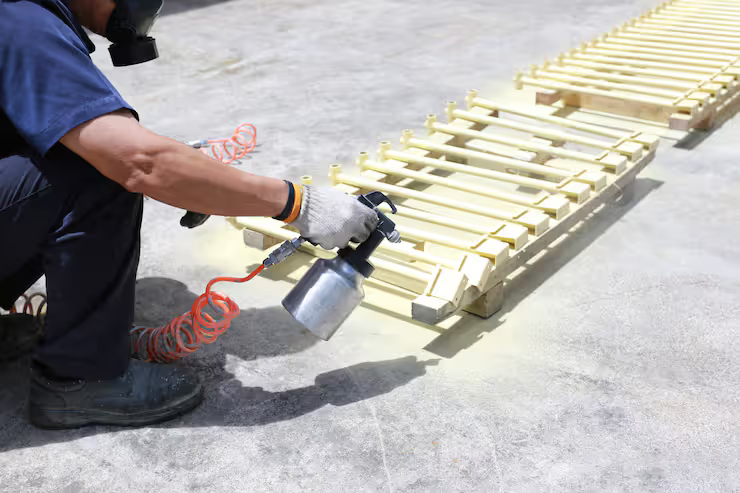
Barrier coatings function by creating a dense, uniform layer that resists permeability. The effectiveness depends on the coating’s composition, thickness, and application method.
The working mechanism involves:
- Blocking diffusion of gases and liquids
- Reducing porosity of the surface
- Enhancing resistance to chemical reactions
- Providing mechanical protection against wear and corrosion
Some advanced coatings also use nanotechnology or multilayer structures to improve performance, especially in high-demand applications like food packaging and semiconductor devices.
Structure and Composition of Barrier Coatings
Barrier coatings are typically made from polymers, metals, ceramics, or hybrid materials. Their structure may include multiple layers, each designed for a specific function.
Key Components
- Base layer: Provides adhesion to the surface
- Barrier layer: Main protective layer blocking gases or moisture
- Topcoat: Adds durability, scratch resistance, or UV protection
Common Materials
- Polyethylene (PE) and Polypropylene (PP)
- Ethylene Vinyl Alcohol (EVOH)
- Polyvinylidene Chloride (PVDC)
- Aluminum coatings (thin metal layers)
- Silicon oxide (SiOx) and aluminum oxide (AlOx)
- Water-based coatings for eco-friendly applications
Types of Barrier Coatings
Barrier coatings vary based on application and material properties.
By Material Type
- Polymer-based coatings
- Metal-based coatings
- Ceramic coatings
- Bio-based coatings
By Function
- Moisture barrier coatings
- Oxygen barrier coatings
- Chemical-resistant coatings
- Thermal barrier coatings
By Application Industry
- Packaging coatings
- Protective industrial coatings
- Electronic barrier coatings
- Medical-grade coatings
Importance of Barrier Coatings
Barrier coatings play a critical role in modern manufacturing and product preservation. Their importance lies in their ability to improve product performance and safety.
Key Benefits
- Prevents corrosion and material degradation
- Extends product shelf life (especially in food packaging)
- Enhances durability of infrastructure and equipment
- Protects sensitive electronic components
- Reduces maintenance requirements
In industries where exposure to environmental factors is unavoidable, barrier coatings are essential for long-term reliability.
Real-World Applications
Barrier coatings are used across multiple industries to solve practical challenges.
Packaging Industry
- Food packaging uses oxygen and moisture barrier coatings to maintain freshness
- Pharmaceutical packaging ensures stability of medicines
- Applied on concrete and steel to prevent water penetration and corrosion
- Used in roofing systems for weather resistance
Automotive and Aerospace
- Protect circuit boards from humidity and oxidation
- Essential in flexible electronics and displays
- Protect metal surfaces from heat, chemicals, and environmental exposure
- Improve fuel efficiency through thermal management
- Used in medical devices to ensure sterility and chemical resistance
Problems Solved by Barrier Coatings
Barrier coatings address several critical challenges in industrial and consumer applications.
Common Issues Solved
- Moisture damage in packaging and electronics
- Oxygen exposure leading to spoilage
- Corrosion in metals and infrastructure
- Chemical degradation in industrial environments
- Reduced lifespan of materials due to environmental stress
By minimizing these risks, barrier coatings improve efficiency and sustainability.
Key Features of Effective Barrier Coatings
An ideal barrier coating must meet specific performance criteria depending on its use.
Essential Features
- Low permeability to gases and liquids
- Strong adhesion to substrates
- Chemical and thermal stability
- Flexibility and durability
- Environmental safety (low VOC emissions)
Advanced coatings also focus on recyclability and eco-friendly formulations.
Recent Trends and Developments (2025–2026)
Barrier coating technology has seen significant advancements in the past year, driven by sustainability goals and high-performance requirements.
Notable Trends
- Bio-based coatings (2025): Increased use of biodegradable materials derived from natural sources
- Water-based barrier coatings (2025–2026): Reduced reliance on solvent-based systems to meet environmental regulations
- Nanotechnology integration (2026): Improved barrier efficiency using nano-layered structures
- Recyclable packaging coatings (2025): Development of coatings compatible with recycling systems
- Smart coatings (2026): Emerging coatings with self-healing and responsive properties
These innovations aim to balance performance with environmental responsibility.
Regulations and Standards
Barrier coatings must comply with various international regulations to ensure safety and environmental compliance.
Key Regulations
- Food safety standards for packaging materials (e.g., FDA and EU regulations)
- Environmental regulations limiting volatile organic compounds (VOCs)
- REACH compliance for chemical safety in coatings
- ISO standards for coating performance and testing
Manufacturers must ensure coatings meet these guidelines, especially in sensitive industries like food and healthcare.
Tools, Platforms, and Learning Resources
Understanding barrier coatings requires access to technical tools and educational resources.
Useful Tools
- Material testing equipment for permeability analysis
- Coating thickness measurement tools
- Surface analysis instruments
Learning Resources
- Industry research journals on material science
- Online courses in polymer science and coating technology
- Technical documentation from coating manufacturers
- Standards organizations publications (ISO, ASTM)
These resources help professionals stay updated with evolving technologies.
Comparison of Barrier Coating Types
| Type | Key Property | Common Use Case | Advantage | Limitation |
|---|---|---|---|---|
| Polymer Coatings | Flexible, lightweight | Food packaging | ffective, versatile | Moderate barrier strength |
| Metal Coatings | Gas barrier | Beverage containers | High protection level | Less flexible |
| Ceramic Coatings | Heat resistance | Aerospace, electronics | High durability | Complex application |
| Bio-based Coatings | Eco-friendly | Sustainable packaging | Biodegradable | Limited performance range |
Frequently Asked Questions
What are barrier coatings mainly used for?
Barrier coatings are used to protect materials from moisture, oxygen, chemicals, and environmental damage across industries like packaging, construction, and electronics.
How do barrier coatings improve product shelf life?
They reduce exposure to oxygen and moisture, which are primary causes of spoilage, especially in food and pharmaceutical products.
Are barrier coatings environmentally friendly?
Many modern coatings are water-based or bio-based, reducing environmental impact and complying with stricter regulations.
What is the difference between barrier and protective coatings?
Barrier coatings specifically block the passage of substances, while protective coatings may also provide mechanical or thermal protection.
Can barrier coatings be recycled?
Some advanced coatings are designed to be compatible with recycling processes, especially in sustainable packaging solutions.
Conclusion
Barrier coatings are a fundamental part of modern material protection and performance enhancement. By preventing the transfer of gases, moisture, and chemicals, they ensure durability, safety, and efficiency across various industries. From extending the shelf life of packaged goods to protecting infrastructure and electronics, their role is both practical and essential.
With recent advancements in eco-friendly materials, nanotechnology, and smart coatings, the field continues to evolve rapidly. As industries focus more on sustainability and performance, barrier coatings will remain a critical solution for addressing environmental and technical challenges.