This is where a web application firewall becomes an essential layer of protection. It acts as a gatekeeper between users and your web application, filtering harmful traffic before it causes damage.
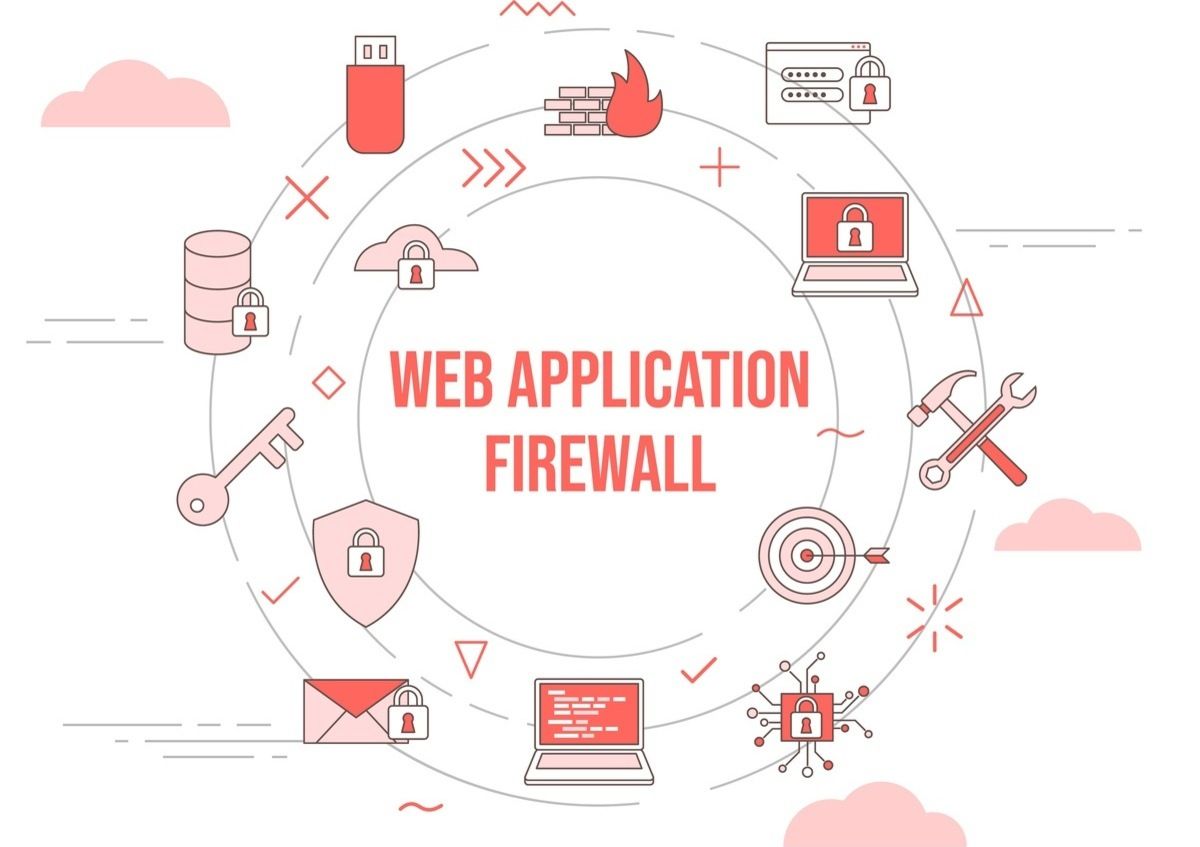
This guide explains how WAF security solutions work, why they matter, and how to choose the right approach for your needs without getting lost in technical jargon.
What Is a Web Application Firewall?
A web application firewall, often called a WAF, is designed to monitor and filter HTTP traffic between a web application and the internet. Unlike traditional firewalls that focus on networks, a WAF protects the application layer.
Think of it as a security guard at the entrance of your website. It checks every visitor and blocks suspicious behavior such as malicious scripts, injection attempts, or unusual request patterns.
How WAF Security Solutions Work
WAF security solutions analyze incoming requests based on predefined rules or intelligent algorithms. These rules are designed to detect known threats and unusual patterns.
There are three main approaches:
- Rule-based filtering that blocks known attack signatures
- Behavioral analysis that detects abnormal patterns
- Machine learning systems that adapt over time
For example, if someone tries to inject harmful code into a login form, the WAF identifies the pattern and blocks the request before it reaches your server.
Why Web Applications Need Protection
Web applications store valuable data. This includes user information, payment details, and internal business logic. Without proper protection, attackers can exploit vulnerabilities easily.
Common Threats WAF Helps Prevent
- SQL injection attacks
- Cross-site scripting (XSS)
- Remote file inclusion
- Bot-driven attacks
- Credential stuffing
Imagine running an online platform where users log in daily. Without a WAF, automated bots could attempt thousands of login combinations. A WAF detects and blocks such behavior instantly.
Real-Life Example
A SaaS platform handling user dashboards noticed unusual traffic spikes. After implementing WAF security for SaaS platforms, the system blocked repeated login attempts from suspicious sources, preventing account takeovers.
Types of Web Application Firewall Solutions
Choosing the right type depends on your infrastructure, scale, and security goals.
Cloud Web Application Firewall
A cloud web application firewall operates through remote infrastructure. It sits between users and your application without requiring hardware setup.
Benefits include:
- Easy deployment
- Automatic updates
- Scalability for growing traffic
This is ideal for startups, SaaS platforms, and businesses with distributed users.
On-Premise WAF Software
Web application firewall software installed locally gives full control over configuration. It suits organizations with strict compliance requirements.
However, it requires technical expertise and ongoing management.
Enterprise Web Application Firewall
An enterprise web application firewall is designed for large-scale operations. It supports complex environments with multiple applications and high traffic.
Features often include:
- Advanced analytics
- Integration with security tools
- Custom rule creation
Enterprises often rely on expert WAF cybersecurity consultation to tailor these systems effectively.
WAF for API Security
APIs are now the backbone of modern applications. From mobile apps to third-party integrations, APIs handle sensitive data exchanges.
Why APIs Need WAF Protection
APIs expose endpoints that attackers can target. Without protection, they become entry points for data breaches.
A WAF for API security helps by:
- Validating request formats
- Blocking abnormal traffic patterns
- Preventing data exposure
For example, an e-commerce app using APIs for payment processing can use a WAF to ensure only legitimate requests reach the payment gateway.
WAF vs Firewall Security
Many people confuse WAF with traditional firewalls. While both are important, they serve different purposes.
Key Differences
- A traditional firewall protects networks
- A WAF protects web applications
- Network firewalls focus on IP and ports
- WAF focuses on HTTP/HTTPS traffic
Think of it this way: a network firewall protects your building, while a WAF protects the rooms inside where sensitive activities happen.
Using both together creates a stronger security strategy.
Key Features to Look For
Not all WAF security solutions are equal. Understanding key features helps you make a better decision.
Real-Time Monitoring
A good WAF should track traffic in real time. This allows immediate detection of suspicious activity.
Custom Rules
Every application is different. Custom rules allow you to define what is normal behavior for your platform.
Bot Management
Modern WAF systems can identify and block harmful bots while allowing legitimate users.
Scalability
As your application grows, your security should scale with it. This is especially important for SaaS platforms and enterprise environments.
Web Application Firewall Consulting Services
Implementing a WAF can be complex, especially for large systems. This is where web application firewall consulting services become valuable.
Experts help with:
- Understanding application risks
- Designing security rules
- Optimizing performance
- Monitoring ongoing threats
For example, a financial platform may require tailored rules to handle secure transactions. Expert WAF cybersecurity consultation ensures the system is configured correctly without affecting user experience.
Web Application Firewall Cost Comparison (Explained Without Numbers)
When evaluating different WAF options, it is important to consider several factors beyond pricing.
Factors That Influence Value
- Deployment type (cloud vs on-premise)
- Traffic volume
- Feature set
- Level of customization
- Maintenance requirements
A cloud web application firewall may seem easier to start with, while an enterprise web application firewall may provide deeper control for complex systems.
The right choice depends on your business size, traffic, and risk level.
Tips for Choosing the Right WAF
Selecting the right solution can feel overwhelming. These practical tips make the process easier.
Understand Your Application Needs
Start by identifying what your application does and what data it handles. A simple blog has different needs compared to a SaaS platform.
Focus on API Protection
If your application relies on APIs, prioritize WAF for API security. This ensures safe data exchange.
Consider Scalability
Choose a solution that grows with your traffic. This avoids future migration challenges.
Evaluate Ease of Management
Some systems require advanced technical knowledge. Others are more user-friendly. Choose based on your team’s expertise.
Look for Integration Options
A WAF should work well with your existing security tools. This creates a unified defense system.
Benefits of Using WAF Security Solutions
A well-implemented WAF provides multiple advantages beyond basic protection.
Improved Security
It blocks known and unknown threats before they reach your application.
Better Performance
Some WAF systems include caching and optimization features that improve load times.
Compliance Support
Many industries require strong data protection measures. A WAF helps meet these requirements.
Reduced Risk
By filtering malicious traffic, a WAF lowers the chances of data breaches and downtime.
Challenges to Keep in Mind
While WAF security solutions are powerful, they are not perfect.
False Positives
Sometimes legitimate users may be blocked. Fine-tuning rules helps reduce this issue.
Configuration Complexity
Advanced setups can be challenging without expert guidance.
Ongoing Maintenance
Security threats evolve constantly. Regular updates and monitoring are essential.
This is why many organizations rely on web application firewall consulting services to manage and optimize their setup.
Future of Web Application Firewalls
The role of WAFs continues to evolve with technology.
AI-Driven Security
Modern WAF systems are using artificial intelligence to detect patterns and predict threats.
Integration with DevOps
Security is becoming part of the development process. WAFs are now integrated into continuous deployment pipelines.
Enhanced API Protection
As APIs grow, WAF systems are becoming more specialized in handling API-based threats.
These advancements make WAF security solutions more effective and adaptable.
Final Thoughts
A web application firewall is no longer optional in today’s digital world. Whether you run a small website or a large enterprise platform, protecting your application is essential.
From cloud web application firewall setups to enterprise-level systems, the right approach depends on your needs. By understanding how WAFs work and what features to look for, you can build a strong defense against modern threats.
With proper planning, expert guidance, and continuous monitoring, a WAF becomes a powerful ally in keeping your applications secure, reliable, and ready for growth.