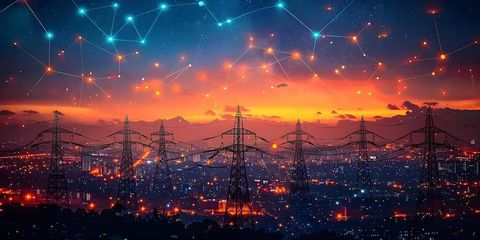
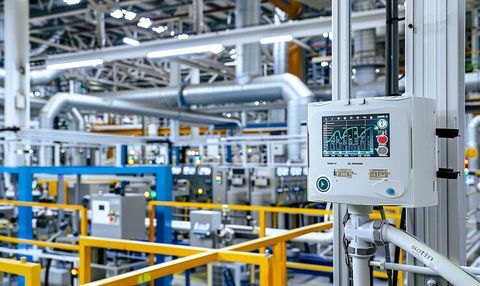
The importance of IoT monitoring has increased significantly with the growth of Industry 4.0 and smart infrastructure. Industries are adopting connected systems to improve efficiency, reduce downtime, and optimize resource utilization. Similarly, smart environments such as buildings and cities rely on IoT systems to enhance safety, energy management, and user comfort.
Recent trends highlight the integration of artificial intelligence, edge computing, and advanced analytics into IoT systems. These technologies enable faster processing and predictive insights, making monitoring systems more proactive rather than reactive. As a result, IoT-based monitoring has become a foundational element in modern industrial and smart ecosystem development.
Who It Affects and What Problems It Solves
IoT-based monitoring systems impact a wide range of stakeholders, including industrial operators, facility managers, urban planners, and technology providers. These systems are used in manufacturing plants, energy facilities, transportation networks, and smart buildings.
Without proper monitoring, organizations may face inefficiencies, unexpected equipment failures, and increased operational costs. IoT systems address these challenges by providing real-time data and actionable insights.
Problems It Helps Solve
-
Lack of real-time visibility into operations
-
Equipment failures and unplanned downtime
-
Inefficient resource utilization
-
Delayed response to system issues
-
High maintenance costs
-
Limited data for decision-making
Recent Updates and Trends
In the past year, IoT monitoring systems have evolved with the adoption of edge computing, which allows data processing closer to the source. This reduces latency and improves response times, particularly in critical industrial applications.
Another major trend is the integration of artificial intelligence and machine learning. These technologies enable predictive maintenance by analyzing patterns and identifying potential failures before they occur.
There is also increased use of wireless communication technologies such as 5G, which enhances connectivity and supports large-scale IoT deployments. Additionally, cybersecurity has become a key focus area, with improved protocols to protect sensitive data and prevent unauthorized access.
Smart environments are also expanding, with IoT systems being used in areas such as energy management, environmental monitoring, and building automation. These developments reflect a shift toward more connected and intelligent systems.
IoT Monitoring System Components and Workflow
| Component | Description | Function | Outcome |
|---|
| Sensors | Devices that collect data from the environment | Measure parameters such as temperature, pressure | Real-time data collection |
| Connectivity | Communication networks | Transmit data between devices | Seamless data flow |
| Edge Devices | Local processing units | Process data near the source | Reduced latency |
| Cloud Platform | Centralized data storage and processing | Analyze and store large datasets | Scalable data management |
| Analytics Engine | Data analysis tools | Generate insights and predictions | Informed decision-making |
| User Interface | Dashboards and visualization tools | Display data and alerts | Improved monitoring and control |
This workflow ensures continuous monitoring and efficient data utilization across systems.
Laws and Policies Related to IoT Systems
IoT-based monitoring systems are influenced by regulations related to data protection, cybersecurity, and industrial safety. Governments and regulatory bodies establish guidelines to ensure safe and secure deployment of connected technologies.
In India, data protection frameworks emphasize secure handling of user and operational data. Organizations must implement measures to safeguard information collected through IoT systems.
Industrial regulations may also require monitoring systems to meet safety and compliance standards. These rules ensure that systems operate reliably and do not pose risks to users or infrastructure.
Practical Guidance Table
| Situation | Recommended Approach | Practical Benefit |
|---|
| Industrial Operations | Implement real-time monitoring systems | Improved efficiency |
| High-Risk Environments | Use predictive maintenance tools | Reduced downtime |
| Smart Buildings | Integrate IoT sensors and automation | Energy optimization |
| Data Security Concerns | Apply strong cybersecurity measures | Protected data |
Tools and Resources for IoT Monitoring Systems
IoT monitoring systems rely on a combination of hardware, software, and communication technologies. These tools enable data collection, processing, and analysis.
Common Tools and Resources
-
Sensors for environmental and operational data collection
-
IoT gateways for data transmission
-
Cloud platforms for storage and analytics
-
Data visualization dashboards
-
Security systems for protecting IoT networks
Tools Comparison Table
| Tool Type | Functionality | Best Use Case |
|---|
| Sensors | Collect real-time data | Monitoring conditions |
| IoT Gateways | Connect devices and networks | Data transmission |
| Cloud Platforms | Store and process data | Large-scale analytics |
| Analytics Tools | Analyze patterns and trends | Predictive insights |
| Security Systems | Protect data and devices | Cybersecurity |
Frequently Asked Questions
What is an IoT monitoring system?
An IoT monitoring system uses connected devices to collect and analyze data in real time for better decision-making.
How does IoT improve industrial operations?
It provides real-time insights, reduces downtime, and improves efficiency through automation and predictive maintenance.
What are the key components of IoT systems?
Sensors, connectivity, processing units, cloud platforms, and analytics tools are essential components.
Is IoT secure?
Security depends on implementing proper cybersecurity measures and protocols.
Where are IoT monitoring systems used?
They are used in industries, smart buildings, transportation systems, and environmental monitoring.
Conclusion
IoT-based monitoring systems play a crucial role in modern industrial and smart environments by enabling real-time data collection, analysis, and decision-making. These systems improve operational efficiency, reduce risks, and support sustainable resource management.
Recent advancements in technologies such as edge computing, artificial intelligence, and 5G connectivity have enhanced the capabilities of IoT systems. At the same time, regulatory frameworks ensure that these systems are deployed securely and responsibly.
A data-driven approach shows that integrating IoT monitoring systems into operations can significantly improve performance and reliability. By combining advanced technologies with structured workflows, organizations can create intelligent and responsive environments that support long-term growth and innovation.