While the name may sound complex, understanding it doesn’t have to be.
This guide explains thyroid eye disease symptoms and treatment in a simple, clear way. You’ll also learn about management options, advanced therapies, and how specialists approach care.
What Is Thyroid Eye Disease?
Thyroid eye disease is an autoimmune condition. This means the body’s immune system mistakenly attacks healthy tissues. In this case, it targets the muscles and fat around the eyes.
This leads to inflammation, swelling, and changes in how the eyes look and function. Some people notice mild irritation, while others experience more serious vision issues.
Why It Happens
The condition is closely connected to thyroid hormone imbalance. When the immune system becomes overactive, it can affect both the thyroid gland and the eyes at the same time.
Who Is at Risk
Anyone with thyroid disorders can develop this condition. However, it is more common in:
- People with Graves’ disease
- Smokers
- Adults between 30 and 60
- Women, though men often experience more severe symptoms
Common Thyroid Eye Disease Symptoms and Treatment Needs
Recognizing symptoms early helps with better thyroid eye disease management. Symptoms can develop gradually or appear suddenly.
Early Symptoms
- Dry or gritty eyes
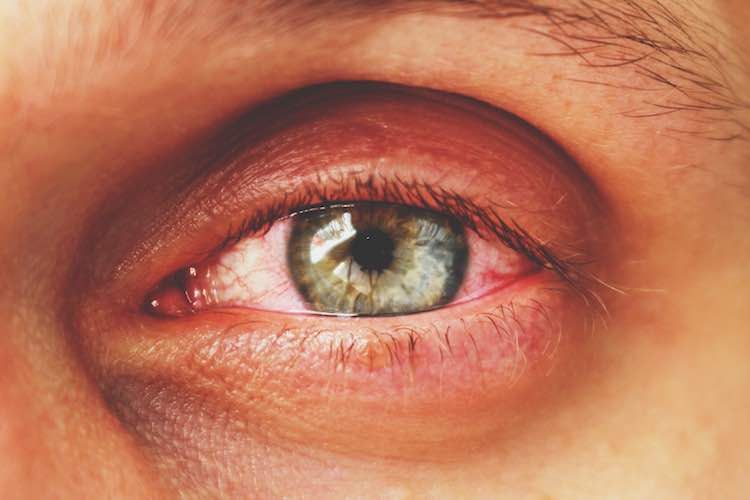
- Redness and irritation
- Sensitivity to light
- Mild swelling around the eyes
Moderate Symptoms
- Bulging eyes (proptosis)
- Double vision
- Eye pain or pressure
- Difficulty closing the eyes completely
Severe Symptoms
- Vision loss
- Severe eye bulging
- Corneal damage
- Limited eye movement
Treatment depends on the stage and severity. Early cases often focus on controlling inflammation, while advanced cases may need surgical intervention.
How Thyroid Eye Disease Is Diagnosed
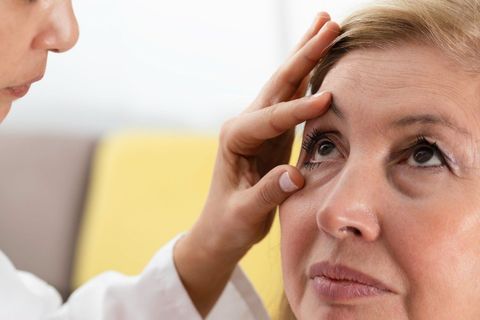
A proper diagnosis involves a detailed eye and thyroid evaluation. A thyroid eye disease specialist usually works closely with an endocrinologist.
Key Tests
- Eye examination to assess movement and vision
- Blood tests to check thyroid hormone levels
- Imaging scans like CT or MRI
- Measurement of eye protrusion
Real-Life Example
Imagine someone noticing persistent eye dryness and swelling. They may assume it’s just fatigue or screen strain. But after an eye exam and blood test, the underlying thyroid imbalance is identified. Early diagnosis helps prevent complications.
Thyroid Eye Disease Treatment Options
There is no one-size-fits-all approach. Thyroid eye disease treatment depends on severity, symptoms, and overall health.
Medications
Doctors may recommend medications to reduce inflammation and control immune activity.
- Steroids help reduce swelling
- Immunosuppressive drugs calm the immune system
- Lubricating eye drops relieve dryness
Thyroid Eye Disease Biologic Therapy
Biologic therapy is one of the most advanced approaches. It targets specific parts of the immune system.
This treatment can help reduce eye bulging and improve vision. It is often considered when traditional treatments are not effective.
Thyroid Eye Disease Laser Treatment
Laser-based methods may be used in certain cases. These can help improve eye alignment or address minor tissue changes.
Laser approaches are usually part of a broader treatment plan rather than a standalone solution.
Thyroid Eye Disease Surgery
Surgery is considered when symptoms are severe or do not improve with other treatments.
Types of Surgery
- Orbital decompression: Creates more space for swollen tissues
- Eye muscle surgery: Corrects double vision
- Eyelid surgery: Improves eyelid position and appearance
Before and After Treatment
Many people notice a significant difference in appearance and comfort after surgery. Before treatment, symptoms may include bulging eyes and discomfort. After treatment, the eyes often appear more natural, and vision improves.
Role of a Thyroid Eye Disease Specialist
A thyroid eye disease specialist focuses on diagnosing and managing eye-related complications of thyroid conditions.
What They Do
- Monitor disease progression
- Coordinate with endocrinologists
- Recommend treatment plans
- Perform advanced procedures if needed
Expert Thyroid Eye Disease Consultation
An expert consultation helps create a personalized care plan. This ensures the treatment matches the patient’s condition and lifestyle.
Thyroid Eye Disease Endocrinologist Services
Endocrinologists play a key role in managing thyroid hormone levels. Since TED is linked to thyroid imbalance, controlling hormone levels is essential.
Their Role Includes
- Managing thyroid disorders
- Adjusting hormone levels
- Monitoring long-term health
- Supporting overall disease control
Working together, eye specialists and endocrinologists provide a balanced approach.
Thyroid Eye Disease Management Tips
Managing this condition is not only about medical treatment. Daily habits also make a big difference.
Simple Lifestyle Tips
- Use lubricating eye drops regularly
- Wear sunglasses to reduce light sensitivity
- Sleep with your head slightly elevated
- Avoid smoking
Digital Screen Example
If someone spends long hours on a computer, they may notice increased dryness and irritation. Taking short breaks and blinking more often can help reduce discomfort.
Thyroid Eye Disease Treatment Centers
Specialized treatment centers bring together different experts in one place. These centers focus on comprehensive care.
What Makes Them Important
- Access to advanced therapies
- Coordinated care between specialists
- Better monitoring of progress
- Availability of modern treatment options
Choosing the right center can improve outcomes and provide better support throughout the journey.
Understanding Thyroid Eye Disease Insurance Coverage
Medical care for TED can involve multiple treatments. Insurance coverage varies depending on the type of treatment and provider.
What Is Usually Included
- Diagnostic tests
- Consultations
- Medications
- Certain surgical procedures
It’s helpful to review policy details and speak with healthcare providers to understand what is included.
Emotional and Social Impact
Thyroid eye disease affects more than just physical health. Changes in appearance and vision can impact confidence and daily life.
Common Challenges
- Feeling self-conscious about eye changes
- Difficulty driving or reading
- Reduced work productivity
- Emotional stress
Coping Strategies
- Seek support from family or groups
- Talk openly with healthcare providers
- Focus on gradual improvement
- Practice stress management techniques
Long-Term Outlook
The course of thyroid eye disease varies. Some people experience mild symptoms that improve over time, while others may need ongoing care.
Phases of the Disease
- Active phase: Inflammation and symptom progression
- Stable phase: Symptoms stop worsening
- Recovery phase: Improvement after treatment
Early intervention often leads to better results.
When to Seek Medical Attention
It’s important to consult a specialist if you notice any unusual eye symptoms, especially if you have a thyroid condition.
Warning Signs
- Sudden vision changes
- Severe eye pain
- Rapid swelling
- Difficulty moving the eyes
Prompt evaluation helps prevent complications.
Final Thoughts
Thyroid eye disease can feel overwhelming at first, but understanding it makes a big difference. With the right combination of medical care, lifestyle changes, and expert guidance, many people manage the condition effectively.
From thyroid eye disease treatment and biologic therapy to surgery and daily management, there are multiple ways to address the condition. The key is early recognition and a personalized approach guided by specialists.
Disclaimer: The information provided in this article is for informational purposes only. We do not make any claims or guarantees regarding the accuracy, reliability, or completeness of the information presented. The content is not intended as professional advice and should not be relied upon as such. Readers are encouraged to conduct their own research and consult with appropriate professionals before making any decisions based on the information provided in this article