Tapping Machines Basics: Learn Core Concepts and Operation
Tapping machines are essential tools in manufacturing environments, yet many beginners struggle to understand how they actually work and why they are so widely used. Without clarity, improper usage can lead to thread damage, tool wear, and inefficient production.
In many workshops, operators rely on experience rather than understanding the core principles. This often results in inconsistent results and avoidable errors during threading operations.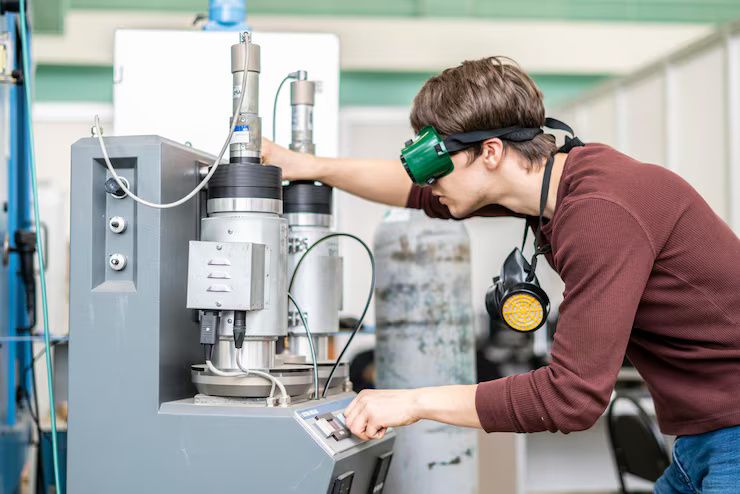
This guide explains tapping machines basics, including how they function, different types, real-world applications, and practical tips to improve accuracy and efficiency.
What Are Tapping Machines and Why They Matter
Tapping machines are specialized devices used to create internal threads inside holes. These threads allow bolts or screws to fit securely, making them essential in mechanical assembly.
The concept may seem simple, but precision is critical. Incorrect tapping can damage components or reduce product reliability.
Understanding tapping machine operation helps improve consistency in manufacturing and reduces the risk of tool failure. For example, in automotive parts production, accurate threading ensures proper assembly and long-term durability.
How Tapping Machines Work in Practice
Tapping machines operate by rotating a cutting tool called a tap into a pre-drilled hole. The tap cuts threads into the material as it moves forward and retracts.
The process involves:
- Proper alignment between the tap and the hole to ensure straight and accurate threading
- Controlled speed and torque to prevent tool breakage and maintain thread quality
- Reverse motion to remove the tap without damaging the newly formed threads
In real-world scenarios, even a slight misalignment can cause thread defects. This is why modern tapping machines often include guides or automation features to improve precision.
Types of Tapping Machines
Different types of tapping machines are designed for specific applications and production environments.
Manual Tapping Machines
These are operated by hand and are commonly used in small workshops or low-volume production. They offer flexibility but require operator skill.
Pneumatic Tapping Machines
These machines use compressed air to drive the tapping process. They are faster than manual systems and suitable for medium-scale operations.
Electric Tapping Machines
Electric models provide better control over speed and torque, making them ideal for precision work and consistent output.
CNC Tapping Machines
Computer-controlled machines are used in high-volume manufacturing. They offer high accuracy, repeatability, and automation.
Choosing the right type depends on production scale, material, and precision requirements.
Benefits and Limitations of Tapping Machines
Tapping machines improve efficiency, but they also require proper handling to deliver consistent results.
Benefits include:
- High precision in thread creation, ensuring strong and reliable connections in mechanical assemblies
- Increased productivity compared to manual threading methods, especially in repetitive tasks
- Reduced operator fatigue due to automation and mechanical assistance
Limitations include:
- Initial setup and alignment requirements can be time-consuming for beginners
- Tool wear and breakage if incorrect speed or pressure is applied
- Maintenance needs to ensure consistent performance over time
Understanding these factors helps operators use tapping machines effectively.
Real-World Applications of Tapping Machines
Tapping machines are widely used across multiple industries where threaded components are required.
Common applications include:
- Automotive manufacturing, where threaded holes are essential for engine parts and structural components
- Aerospace industries, where precision threading is critical for safety and performance
- Machinery production, where components require secure fastening for long-term durability
For example, in a production line, tapping machines are often integrated with drilling systems to create a continuous workflow. This improves efficiency and reduces manual intervention.
Practical Tips for Better Tapping Machine Operation
Improving performance requires attention to detail and proper technique.
Some practical tips include:
- Always use the correct tap size and type for the material to ensure clean and accurate threads
- Maintain proper lubrication to reduce friction and extend tool life during operation
- Check alignment before starting the process to avoid uneven threading or tool damage
- Adjust speed and torque based on material hardness to prevent breakage
These steps help improve both efficiency and output quality.
Common Mistakes to Avoid
Many beginners make avoidable mistakes that affect performance and product quality.
Common issues include:
- Using incorrect cutting speed, which can lead to overheating and tool wear
- Ignoring lubrication, resulting in increased friction and poor thread finish
- Misalignment between the tap and hole, causing uneven or damaged threads
Avoiding these mistakes ensures smoother operation and longer tool life.
How to Choose the Right Tapping Machine
Selecting the right tapping machine depends on several factors.
Key considerations include:
- Type of material being processed, as harder materials require more robust machines
- Production volume, which determines whether manual or automated systems are suitable
- Precision requirements, especially in industries where accuracy is critical
For example, a small workshop may prefer manual or electric machines, while large-scale production facilities rely on CNC systems for efficiency.
Future Trends in Tapping Machine Technology
Modern manufacturing is evolving, and tapping machines are becoming more advanced.
Emerging trends include:
- Integration with automation systems for seamless production workflows
- Improved torque control for better precision and reduced tool wear
- Smart monitoring systems that detect errors and optimize performance
These advancements are making tapping machines more efficient and reliable.
FAQ
1. What are tapping machines used for?
They are used to create internal threads in holes for fastening components.
2. How do tapping machines work?
They rotate a cutting tool into a hole to form threads and then reverse to remove it.
3. What are the types of tapping machines?
Common types include manual, pneumatic, electric, and CNC tapping machines.
4. Why is lubrication important in tapping?
It reduces friction, improves thread quality, and extends tool life.
5. What are common tapping mistakes?
Mistakes include improper speed, poor alignment, and lack of lubrication.
Conclusion
Tapping machines are fundamental tools in manufacturing, enabling precise and efficient thread creation. By understanding tapping machines basics, operators can improve accuracy, reduce errors, and enhance productivity.
From selecting the right machine to applying proper techniques, every step plays a role in achieving high-quality results. As technology continues to evolve, tapping machines will become even more advanced, making them indispensable in modern production environments.

Related Post...


Industrial Noise System Guide: Practical Insights, Basics & Smart Solutions
Updated: April 18, 2026
Read More
CRM Software for Small Business Explanation for System Functions and Workflow Integration
Updated: April 18, 2026
Read More