If you’ve ever wondered how these machines work or how to choose the right one, this guide breaks everything down in simple, practical terms.
Whether you are exploring a rotary screw compressor for the first time or trying to understand advanced industrial setups, this article will help you make sense of it all.
What Is a Screw Compressor?
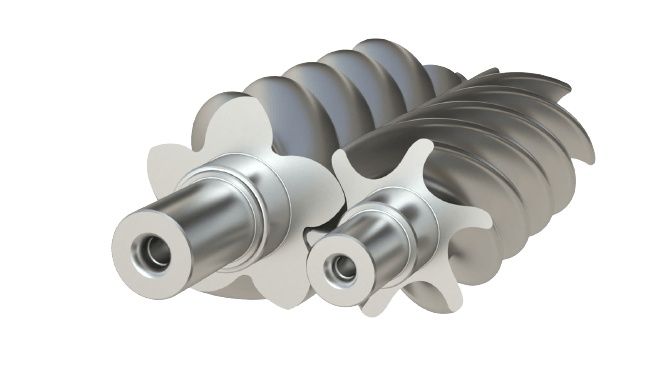
A screw compressor is a type of air compressor that uses two rotating screws to compress air. These screws spin in opposite directions and trap air between them, gradually reducing its volume and increasing pressure.
Unlike piston compressors, which work in bursts, screw compressors provide a continuous flow of compressed air. This makes them ideal for operations that need steady performance.
How It Works in Simple Terms
Imagine two spiral-shaped rotors turning inside a tight space. Air enters one end, gets trapped between the rotors, and is pushed forward as the space becomes smaller. By the time it reaches the outlet, the air is compressed and ready to use.
This smooth process reduces vibration and noise compared to other compressor types.
Types of Screw Compressors
Understanding the different types helps you choose the right system for your needs.
Oil-Injected Screw Compressor
In this type, oil is used during compression. It helps with cooling, sealing, and lubrication.
These are commonly used in general industrial environments where a small amount of oil in the air is not a problem. For example, workshops, automotive setups, and construction sites often rely on oil-injected systems.
Oil-Free Screw Compressor
These compressors are designed to keep compressed air completely clean. No oil is used in the compression chamber.
They are widely used in industries like pharmaceuticals, food processing, and electronics where air purity is critical. For instance, in medicine production, even a tiny contamination can affect quality.
Portable Screw Compressor
A portable screw compressor is built for mobility. It is often mounted on wheels or trailers, making it easy to move between locations.
Construction projects and outdoor applications benefit the most from these units. They are compact yet powerful enough for demanding tasks.
Industrial Screw Compressor
Industrial screw compressors are designed for heavy-duty use. They can run continuously for long hours without performance drops.
Factories, processing plants, and large-scale operations depend on these machines to maintain consistent airflow.
Key Applications Across Industries
Screw compressors are used in a wide range of sectors. Let’s look at a few examples.
Manufacturing and Production
Machines in factories often rely on compressed air. From assembly lines to packaging units, a screw compressor ensures everything runs smoothly.
Oil and Gas Industry
In this sector, compressors are used for gas processing, pipeline operations, and drilling support. A screw compressor for oil and gas environments must handle high pressure and tough conditions.
Pharmaceutical Industry
Clean and dry air is essential here. A screw compressor for pharmaceutical use ensures that processes remain contamination-free, supporting strict quality standards.
Construction and Mining
Portable units are widely used on job sites. They power tools like drills, hammers, and cutters in remote locations.
Why Choose a Rotary Screw Compressor?
A rotary screw compressor stands out for several reasons.
Continuous Operation
Unlike piston compressors, it can run non-stop without overheating. This is perfect for industries that operate around the clock.
Energy Efficiency
Modern systems are designed to reduce energy consumption. This helps lower operational expenses over time.
Low Noise and Vibration
These compressors operate smoothly, making them suitable for indoor environments where noise control matters.
Long Lifespan
With proper maintenance, a screw compressor can last many years, making it a reliable long-term investment.
Important Factors to Consider
Choosing the right compressor involves more than just size or power.
Air Demand
Start by understanding how much compressed air your operation needs. Too small, and performance suffers. Too large, and energy gets wasted.
Pressure Requirements
Different tools and processes require different pressure levels. Always match the compressor output to your needs.
Environment
Think about where the compressor will be used. Dusty, humid, or extreme environments may require special configurations.
Maintenance Needs
Every machine needs upkeep. Knowing what kind of care is required helps avoid downtime and unexpected issues.
Energy Efficiency and Smart Usage
Energy consumption is a major concern for industrial equipment. A screw compressor energy efficiency strategy can make a big difference.
Use Variable Speed Drives
These systems adjust the compressor speed based on demand. This reduces energy waste when full capacity is not needed.
Fix Air Leaks
Even small leaks can lead to significant energy loss. Regular inspections help keep the system efficient.
Optimize System Design
Proper piping and layout reduce pressure drops. This ensures that compressed air reaches its destination without unnecessary loss.
Installation and Setup Insights
Proper installation plays a key role in performance.
Location Matters
Place the compressor in a well-ventilated area. Good airflow helps prevent overheating and improves efficiency.
Stable Foundation
A solid base reduces vibration and ensures smooth operation.
Correct Piping
Using the right pipe size and layout improves airflow and reduces pressure loss.
Many businesses rely on professional screw compressor installation solutions to ensure everything is set up correctly from the start.
Common Issues and Troubleshooting
Even the best machines can face problems. Knowing the basics helps you respond quickly.
Overheating
This can happen due to poor ventilation or low oil levels in oil-injected systems. Regular checks help prevent this.
Reduced Air Output
Clogged filters or leaks are often the cause. Cleaning and inspection usually solve the issue.
Unusual Noise
Strange sounds may indicate worn parts or alignment issues. Early attention prevents bigger problems.
For more complex issues, many companies turn to screw compressor repair solutions to restore performance.
Parts and Accessories You Should Know
A screw compressor system includes several important components.
Air Filters
They remove dust and particles from incoming air, protecting internal parts.
Oil Separators
In oil-injected systems, these separate oil from compressed air before it exits.
Cooling Systems
These keep the compressor from overheating during operation.
Control Panels
Modern compressors come with smart controls that monitor performance and alert users to potential issues.
Keeping essential screw compressor parts and accessories in good condition ensures smooth operation.
Choosing the Right Supplier or Partner
Working with certified screw compressor providers ensures quality and reliability.
Experienced professionals can guide you in selecting the right model, planning installation, and maintaining efficiency over time. Expert consultation for screw compressors can also help optimize system performance based on your specific needs.
Practical Example
Imagine a medium-sized manufacturing unit producing packaged goods. The plant runs 16 hours a day and uses multiple pneumatic machines.
A rotary screw compressor is installed to provide continuous airflow. Initially, energy usage is high due to fluctuating demand. By adding a variable speed system and fixing minor leaks, the plant reduces energy consumption significantly.
This simple adjustment improves efficiency without changing the entire setup.
Future Trends in Screw Compressors
Technology is constantly improving.
Smart Monitoring
Modern compressors now come with sensors and digital controls. These systems track performance in real time and predict maintenance needs.
Eco-Friendly Designs
New models focus on reducing energy consumption and environmental impact.
Compact and Modular Systems
Smaller, more flexible designs are becoming popular, especially for businesses with limited space.
Final Thoughts
A screw compressor is more than just a machine. It is a key part of many industrial processes. Understanding how it works, choosing the right type, and maintaining it properly can make a big difference in performance and efficiency.
From oil-injected systems to clean air solutions for sensitive industries, there is a wide range of options available. By focusing on your specific needs and using smart practices, you can get the most out of your compressor system.
Whether you are setting up a new operation or improving an existing one, the right knowledge helps you make better decisions and achieve reliable results.