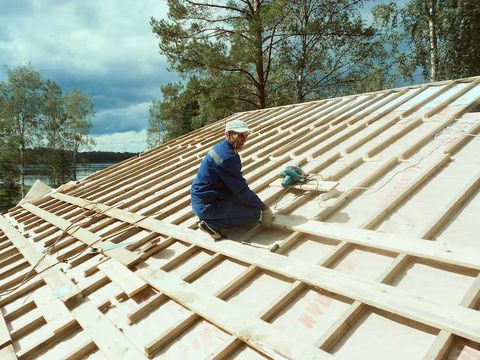
The importance of roof maintenance has increased due to changing climate patterns, urban development, and the use of diverse roofing materials. Property owners are increasingly focusing on preventive maintenance to avoid costly repairs and extend roof lifespan.
Recent trends include the use of advanced materials, smart inspection tools, and sustainable roofing solutions. Technologies such as drone inspections and thermal imaging are improving damage detection and repair planning. Understanding roof damage types and maintenance practices is essential for maintaining structural integrity and reducing long-term.
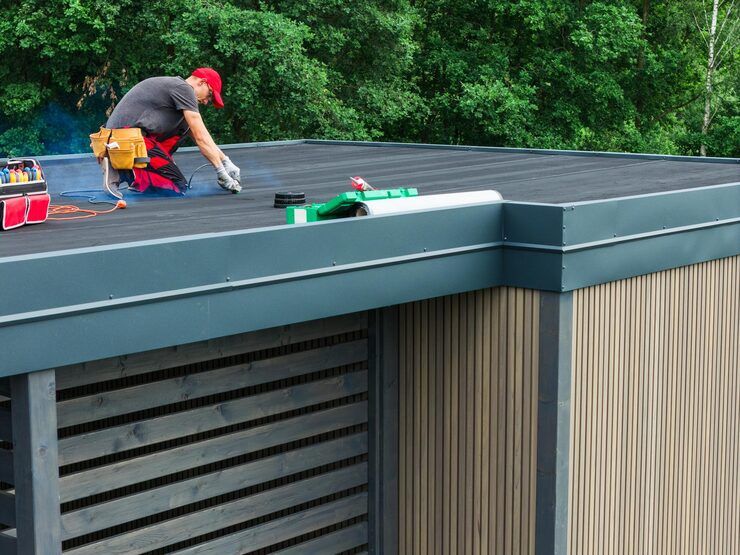
Who It Affects and What Problems It Solves
Roof repair and maintenance are relevant for homeowners, property managers, construction professionals, and maintenance teams. These stakeholders rely on effective roofing systems to ensure safety, comfort, and property value.
Without proper maintenance, roofs can develop issues that compromise building integrity. Early detection and repair help prevent more serious problems.
Problems It Helps Solve
- Water leakage and moisture intrusion
- Structural damage due to weather conditions
- Heat loss or poor insulation
- Mold and mildew growth
- Increased repair costs due to neglect
- Reduced lifespan of roofing materials
Recent Updates and Trends
The roofing industry has seen several advancements in the past year. One key trend is the use of smart inspection technologies, including drones and thermal imaging, which allow detailed assessment of roof conditions without physical access.
Sustainable roofing materials are becoming more popular. These include reflective coatings and eco-friendly materials that improve energy efficiency and reduce environmental impact.
There is also increased adoption of modular roofing systems that allow easier repair and replacement of individual sections. This reduces repair time and costs.
Weather-resistant materials are being developed to withstand extreme conditions, improving durability. Additionally, digital tools are being used for maintenance scheduling and documentation.
Preventive maintenance strategies are gaining importance, with property owners focusing on regular inspections and timely repairs.
Types of Roof Damage
| Damage Type | Description | Cause | Impact |
|---|---|---|---|
| Leak Damage | Water penetration | Cracks or damaged shingles | Structural weakening |
| Thermal Damage | Expansion and contraction | Temperature fluctuations | Material stress |
| Wind Damage | Displacement of roofing materials | Strong winds | Exposure to elements |
| UV Damage | Material degradation | Sun exposure | Reduced lifespan |
| Structural Damage | Weakening of roof framework | Load or aging | Safety risks |
Understanding these damage types helps in selecting appropriate repair methods.
Roof Repair Methods and Techniques
| Repair Method | Description | Application | Outcome |
|---|---|---|---|
| Patching | Sealing small damaged areas | Minor leaks | Quick fix |
| Replacement | Replacing damaged sections | Severe damage | Restored integrity |
| Coating | Applying protective layers | Preventive maintenance | Extended lifespan |
| Reinforcement | Strengthening structural components | Weak areas | Improved durability |
| Cleaning and Sealing | Removing debris and sealing surfaces | Routine maintenance | Better performance |
These methods address different levels of damage and maintenance needs.
Roofing Materials and Their Impact
| Material Type | Description | Advantages | Considerations |
|---|---|---|---|
| Asphalt Shingles | Common roofing material | Cost-effective | Moderate durability |
| Metal Roofing | Durable and reflective | Long lifespan | Higher cost |
| Tile Roofing | Clay or concrete tiles | Aesthetic appeal | Heavy structure |
| Flat Roofing Systems | Membrane-based roofs | Easy installation | Requires maintenance |
| Green Roofing | Vegetation-based systems | Environmental benefits | Maintenance complexity |
Material selection influences repair and maintenance strategies.
Maintenance Practices for Roof Longevity
Regular maintenance is essential for extending the lifespan of roofing systems. Inspections should be conducted periodically to identify early signs of damage.
Cleaning gutters and removing debris helps prevent water accumulation. Checking seals and joints ensures that the roof remains watertight.
Preventive maintenance includes applying protective coatings and repairing minor issues before they escalate. Proper ventilation and insulation also contribute to roof performance.
Scheduling maintenance and keeping records improves long-term management.
Performance Factors and Efficiency Considerations
| Factor | Description | Importance | Result |
|---|---|---|---|
| Durability | Resistance to environmental conditions | Long-term performance | Reduced repairs |
| Insulation | Ability to retain heat | Energy efficiency | Lower energy costs |
| Water Resistance | Protection against moisture | Prevents leaks | Structural safety |
| Maintenance Frequency | Required upkeep | Affects cost | Sustainable use |
| Installation Quality | Proper setup | Ensures effectiveness | Reliable operation |
Evaluating these factors helps maintain roof efficiency.
Laws and Policies Related to Roofing
Roofing practices are governed by building codes and safety regulations that ensure structural integrity and occupant safety. These regulations define standards for materials, installation, and maintenance.
In India, construction and building guidelines specify requirements for roofing systems, including safety and environmental considerations. Compliance with these standards is essential for legal and safe construction.
Practical Guidance Table
| Situation | Recommended Approach | Practical Benefit |
|---|---|---|
| Minor Damage | Use patching methods | Cost-effective repair |
| Severe Damage | Replace affected sections | Long-term solution |
| Preventive Maintenance | Apply coatings and inspections | Extended lifespan |
| Energy Efficiency Needs | Use reflective or insulated materials | Reduced costs |
Tools and Resources for Roof Repair
Roof repair and maintenance require various tools and resources for effective implementation.
Common Tools and Resources
- Inspection tools such as drones and cameras
- Repair equipment for sealing and patching
- Safety gear for workers
- Maintenance scheduling tools
- Material selection guides
Tools Comparison Table
| Tool Type | Functionality | Best Use Case |
|---|---|---|
| Inspection Tools | Identify damage | Assessment |
| Repair Tools | Fix damaged areas | Maintenance |
| Safety Equipment | Protect workers | Safe operation |
| Scheduling Tools | Plan maintenance | Organization |
| Material Guides | Select appropriate materials | Decision-making |
Frequently Asked Questions
What is roof repair?
It involves fixing damage and maintaining roofing systems to ensure durability.
How often should roofs be inspected?
Regular inspections, typically once or twice a year, are recommended.
What are common types of roof damage?
Leaks, thermal damage, wind damage, and structural issues are common.
Can roof maintenance reduce costs?
Yes, preventive maintenance helps avoid major repairs.
Are modern roofing materials durable?
Yes, advanced materials offer improved resistance and longer lifespan.
Conclusion
Modern roof repair and maintenance are essential for ensuring the safety, durability, and efficiency of buildings. By understanding damage types and applying appropriate repair methods, property owners can maintain structural integrity and reduce long-term costs.
Recent advancements in inspection technologies, materials, and maintenance practices have improved roofing systems. These developments support better performance and sustainability.
A data-driven approach indicates that regular inspections, timely repairs, and proper material selection are key to effective roof management. By adopting these practices, individuals and organizations can achieve reliable and long-lasting roofing solutions.