Whether it’s a warehouse, factory, or retail outlet, adding an intermediate level can transform unused height into functional area.
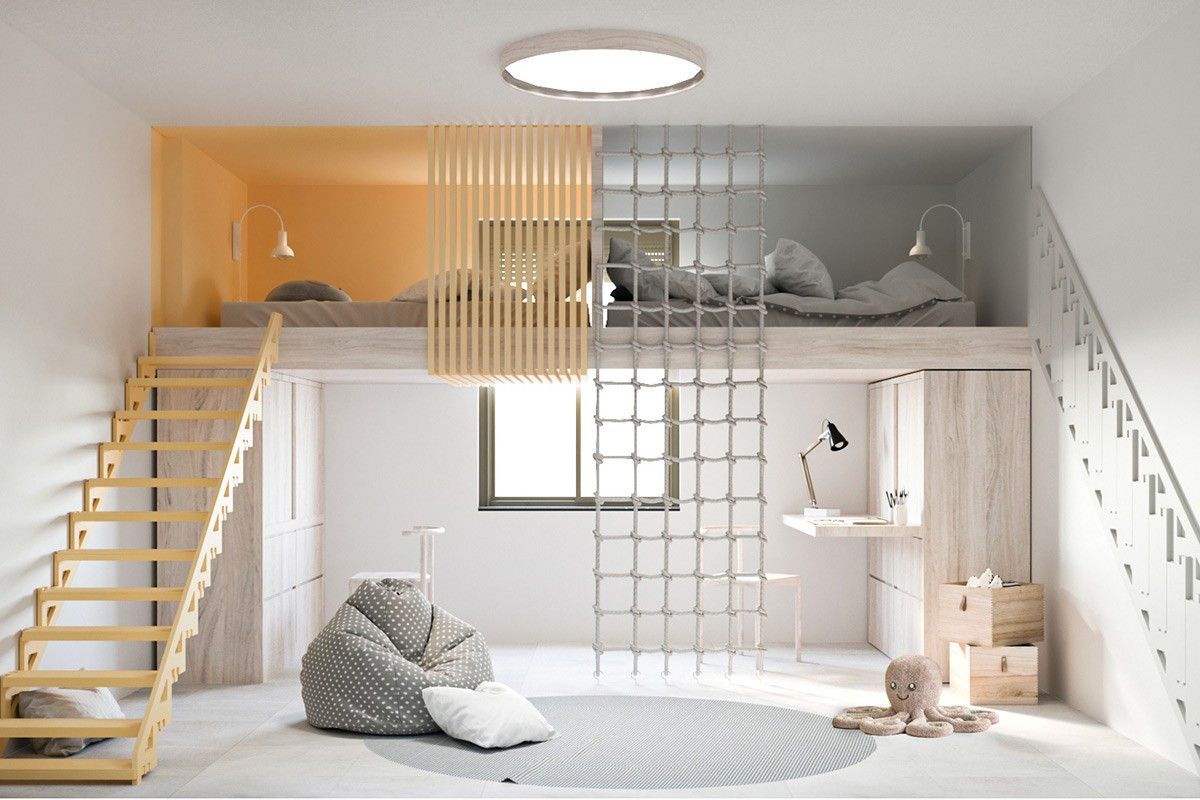
From storage expansion to office creation, mezzanine floors bring flexibility and efficiency. But a good outcome depends on proper planning, smart design, and a clear understanding of structural needs.
This guide explains everything in a simple, practical way so you can make informed decisions.
What Is a Mezzanine Floor?
A mezzanine floor is a semi-permanent intermediate level built between the main floors of a building. It does not usually cover the entire floor area, which keeps the space open and airy.
In industrial settings, it is often made using steel structures for strength and durability. These are commonly known as steel mezzanine floor systems.
Real-Life Example
Imagine a warehouse with a high ceiling but limited storage space. Instead of moving to a larger facility, a mezzanine floor for warehouse storage can double usable space instantly. The ground level handles heavy goods, while the upper level stores lighter inventory or supports office operations.
Types of Mezzanine Floors
Different industries require different types of mezzanine setups. Choosing the right type depends on usage, load requirements, and available space.
Industrial Mezzanine Floor
An industrial mezzanine floor is designed for heavy-duty use. It supports machinery, bulk storage, and continuous operations.
Key features include:
- Strong steel framework
- High load-bearing capacity
- Durable flooring materials
Warehouse Mezzanine Floor Systems
Warehouse mezzanine floor systems are built to improve storage efficiency. They help organize inventory and reduce clutter.
These systems often integrate:
- Racking systems
- Conveyor pathways
- Easy access stairs
Mezzanine Floor for Retail Stores
Retail spaces use mezzanine floors to enhance customer experience. They create additional display areas or seating zones.
For example, a clothing store may use the upper level for premium collections while the ground floor handles regular items.
Benefits of Mezzanine Floors
A mezzanine floor is not just about adding space. It improves how that space is used.
Better Space Utilization
Unused vertical space becomes productive. This is especially valuable in cities where expansion options are limited.
Flexible Design
A mezzanine floor design can be customized for storage, office work, or customer interaction.
Improved Workflow
In industrial environments, separating operations across levels improves efficiency and reduces congestion.
Scalable Solution
As business needs grow, mezzanine structures can be modified or expanded without major disruption.
Key Design Considerations
Design plays a major role in the success of a mezzanine floor. A poorly planned structure can lead to safety issues or inefficiency.
Load Capacity Planning
Understanding load capacity is critical. Every mezzanine floor must handle expected weight safely.
This includes:
- Stored goods
- Equipment
- People movement
Mezzanine floor load capacity solutions focus on ensuring the structure remains stable under all conditions.
Material Selection
Steel is the most common material due to its strength and durability. A steel mezzanine floor is also easier to install and modify.
Flooring options may include:
- Steel decking
- Wooden panels
- Concrete layers
Accessibility
Access points should be easy and safe. Common options include:
- Staircases
- Ladders
- Lifts
For warehouses, wider staircases help move goods efficiently.
Safety Features
Safety should never be ignored. Important elements include:
- Guardrails
- Anti-slip flooring
- Proper lighting
Ceiling Height
The height between levels should be comfortable for movement and operations. Low clearance can reduce usability.
Planning and Execution Process
A successful mezzanine project follows a clear step-by-step approach.
Initial Consultation
At this stage, experts analyze the space and understand requirements. This is where expert mezzanine floor consultation services play a role in guiding the right approach.
Design Development
The design phase includes layout planning, load calculations, and material selection. Mezzanine floor design services ensure that the structure meets both functional and safety needs.
Fabrication and Installation
Once the design is finalized, fabrication begins. Mezzanine floor fabrication services prepare components that are later assembled on-site.
Turnkey Project Setup
A complete turnkey mezzanine floor project setup handles everything from design to final installation, ensuring a smooth process.
Practical Tips for Better Results
Small decisions can make a big difference in how effective your mezzanine floor becomes.
Plan for Future Needs
Don’t design only for current requirements. Leave room for expansion or modification.
Keep Layout Simple
A cluttered design reduces efficiency. Clear pathways and organized zones improve usability.
Focus on Lighting
Good lighting makes the space safer and more comfortable. Natural light can also be utilized if possible.
Choose the Right Flooring
Different uses require different flooring types. For example:
- Industrial use may need heavy-duty steel flooring
- Retail spaces may prefer polished surfaces
Optimize Storage Systems
In warehouses, combining mezzanine floors with smart storage solutions improves overall performance.
Applications Across Industries
Mezzanine floors are used in many sectors due to their flexibility.
Industrial Use
A mezzanine floor for industrial use supports manufacturing units, assembly lines, and equipment storage.
Warehousing
Warehouses use mezzanine floors to increase storage without expanding the building footprint.
Retail Stores
Retailers use mezzanine floors to create unique shopping experiences and maximize display areas.
Offices
In commercial spaces, mezzanine floors can create additional workstations or meeting areas.
Challenges and How to Handle Them
While mezzanine floors offer many benefits, there are some challenges to consider.
Structural Limitations
Not all buildings can support a mezzanine floor. Proper assessment is necessary before planning.
Compliance and Safety
Local regulations must be followed to ensure safety and legal compliance.
Space Planning Issues
Poor layout can lead to inefficiency. Working with experienced professionals helps avoid this.
Budget Planning and Estimation
Planning the financial aspect is just as important as design.
Mezzanine floor cost estimation services help evaluate expenses based on:
- Size of the structure
- Materials used
- Complexity of design
Having a clear estimate helps in better decision-making and avoids unexpected surprises.
Procurement and Material Handling
Choosing the right materials and components ensures durability and performance.
Mezzanine floor procurement services focus on sourcing quality materials that meet design and safety standards.
Proper handling and storage of materials during construction also play a key role in maintaining quality.
Future Trends in Mezzanine Floors
Modern mezzanine floors are evolving with new technologies and design ideas.
Modular Designs
Modular systems allow quick assembly and easy modification.
Smart Integration
Automation and smart storage systems are being integrated into warehouse mezzanine floor systems.
Sustainable Materials
Eco-friendly materials are becoming more popular in construction.
Final Thoughts
A mezzanine floor is a practical solution for maximizing space without major structural changes. Whether it’s a warehouse, factory, or retail outlet, the right design can significantly improve efficiency and usability.
Focus on proper planning, smart design choices, and safety considerations. With the right approach, a mezzanine floor can transform unused space into a valuable asset.
By understanding your needs and following expert advice, you can create a structure that supports both current operations and future growth.