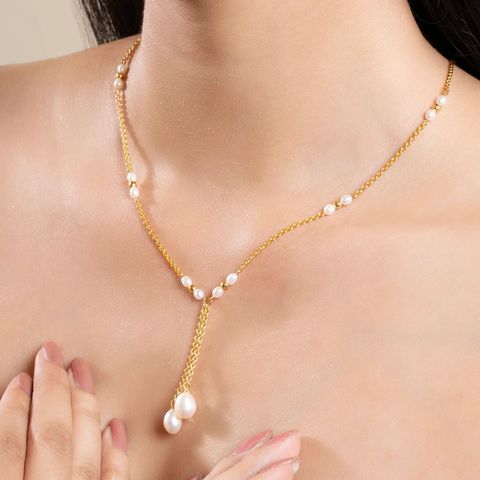
Many people don’t realize that diamond jewelry is not just about appearance, but about how internal structure, light interaction, and design work together. This often leads to unexpected outcomes where two pieces that look alike perform differently over time.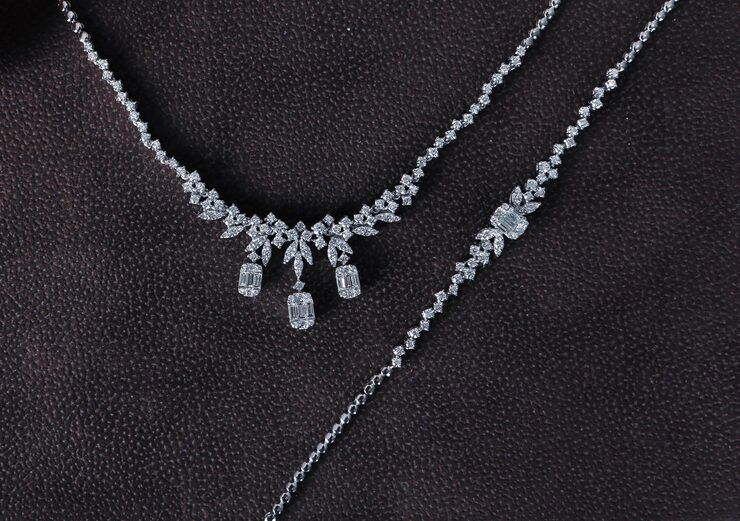
In this diamond jewelry guide, you will explore different types of diamond jewelry, understand how quality is evaluated, and see how real-world factors influence long-term performance and appearance.
Understanding How Diamond Jewelry Quality Works
Diamond jewelry quality is shaped by multiple factors that influence how it interacts with light and how durable it remains over time.
This matters because the brilliance of a diamond depends on how light enters, reflects, and exits the stone. The cut plays a central role in directing light, while clarity refers to internal inclusions that may affect transparency.
Color grading measures how close a diamond is to being colorless, and carat weight indicates size. However, these factors do not operate independently they interact to influence overall performance.
In real-world conditions, a smaller diamond with a precise cut may appear more brilliant than a larger one with poor proportions. The real difference appears when lighting changes, revealing how effectively the diamond handles reflection and dispersion.
Types of Diamond Jewelry and Their Usage Behavior
Diamond jewelry can be categorized based on how it is worn and how it interacts with daily activity.
Rings
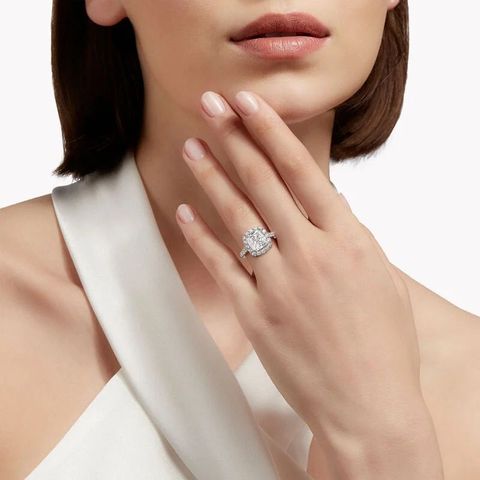
Rings are often exposed to frequent contact and movement. This means durability and secure settings become important, especially in daily wear scenarios.
Necklaces and Pendants
These pieces typically experience less physical stress. Their design often focuses on visual display, allowing light interaction to enhance appearance.
Earrings
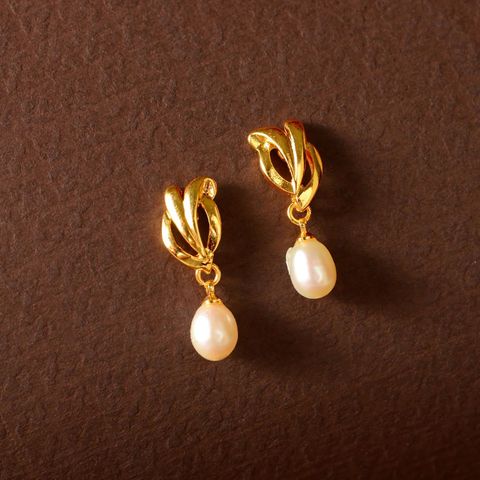
Earrings rely on symmetry and balance. Since they remain relatively stable, their performance is often influenced more by cut and design than by durability.
Bracelets
Bracelets are subject to continuous movement. This increases the importance of secure settings and flexible design structures.
These types show that diamond jewelry is not just about form but about how each piece behaves in real usage conditions.
Comparing Cut, Clarity, and Their Real Difference
| Factor | Cut Focus | Clarity Focus |
|---|---|---|
| Purpose | Light reflection | Internal structure |
| Visual Effect | High brilliance | Cleaner appearance |
| Performance | Affects sparkle | Affects transparency |
| Sensitivity | Lighting dependent | Inspection dependent |
This comparison highlights how different factors contribute to diamond jewelry performance.
Cut determines how effectively light is reflected, which directly affects sparkle. Clarity influences how free the diamond is from internal imperfections.
The real difference appears when diamonds are viewed under varied lighting. A well-cut diamond often appears more vibrant even if clarity is not perfect.
Decision Thinking: What Influences the Best Diamond Jewelry
Choosing the best diamond jewelry often depends on how multiple factors interact rather than focusing on a single characteristic.
Usage plays a key role. Jewelry intended for daily wear may benefit from durability and secure settings, while occasional pieces may prioritize visual appeal.
Budget also influences decisions, as higher carat weight or clarity may not always produce a noticeable difference in everyday viewing conditions.
One overlooked factor is lighting environment. Diamond jewelry can appear different under natural sunlight compared to indoor lighting, affecting perceived brilliance.
Because of these variables, the most suitable choice often depends on balancing durability, appearance, and usage context rather than selecting a single “best” option.
Real-World Performance of Diamond Jewelry Over Time
The behavior of diamond jewelry becomes clearer through regular use.
Rings, for example, may experience friction and exposure to environmental elements, affecting the metal setting even if the diamond itself remains intact. Necklaces and earrings, facing less contact, may maintain their appearance longer.
Environmental factors such as dust, oils, and humidity can reduce brilliance if not cleaned regularly. This shows how performance is influenced not just by design but also by maintenance.
The real difference appears after extended use, where quality of craftsmanship and material durability determine how well the jewelry retains its original look.
Trade-Offs Between Size, Quality, and Design
Diamond jewelry often involves trade-offs that are not immediately obvious.
A larger diamond may attract attention but may not deliver the same brilliance if the cut is not optimized. Similarly, higher clarity may not significantly impact appearance unless examined closely.
Another trade-off exists between intricate design and durability. Complex designs may enhance aesthetics but may require more careful handling.
These trade-offs become more apparent when comparing multiple pieces side by side, where differences in performance and visual impact emerge.
Evolving Trends in Diamond Jewelry
Diamond jewelry continues to evolve as technology and preferences change.
Modern designs often emphasize minimalism and versatility, allowing pieces to adapt to different occasions. Advances in cutting techniques are improving consistency in brilliance.
There is also growing interest in lab-grown diamonds, which offer alternative sourcing methods while maintaining similar structural properties.
In real-world use, these trends aim to balance visual appeal with practicality, though their impact depends on individual preferences and usage patterns.
FAQ
1. What defines diamond jewelry quality?
It is influenced by cut, clarity, color, and carat weight.
2. What are the main types of diamond jewelry?
Rings, necklaces, earrings, and bracelets are the most common types.
3. Does diamond size affect performance?
Size affects appearance, but cut plays a larger role in brilliance.
4. Why does diamond jewelry look different in lighting?
Light conditions change how reflection and dispersion are perceived.
5. Is clarity always the most important factor?
It depends on visibility of imperfections and viewing conditions.
Conclusion
Diamond jewelry combines structural characteristics with visual appeal, making its performance dependent on multiple interacting factors. From cut and clarity to design and usage, each element influences how a piece behaves over time.
Many people don’t realize that the best diamond jewelry is not defined by a single feature but by how these factors work together under real conditions. The real difference appears when lighting, usage, and craftsmanship intersect.
Understanding these dynamics can reveal insights that are not immediately visible, especially when comparing different pieces in real-world scenarios.