Understanding heat exchangers helps explain how many industrial and commercial processes maintain proper temperatures and energy efficiency. Whether in refrigeration, chemical processing, power generation, or food production, heat exchangers help regulate heat flow, improve energy use, and keep systems running safely. In this guide, we will explore what heat exchangers are, how they work, their different types, and why they are essential in modern technology.
What is Heat Exchangers
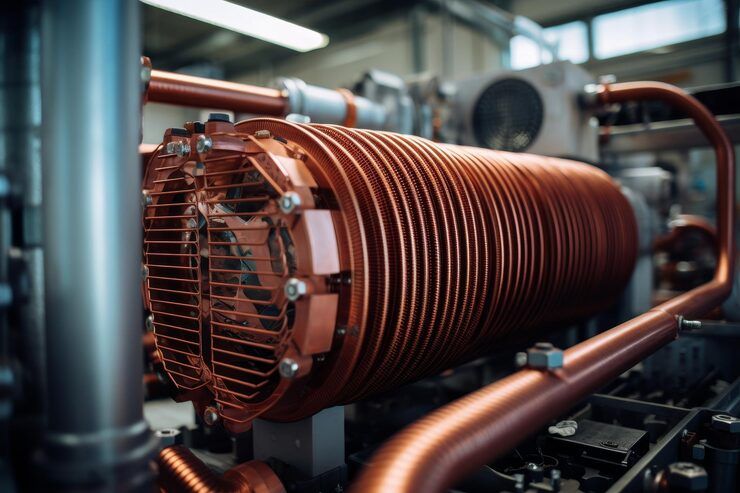
Heat exchangers are mechanical devices designed to transfer heat between two or more fluids while keeping those fluids physically separate. These fluids can be liquids, gases, or a combination of both. The purpose of a heat exchanger is to move thermal energy from a hotter fluid to a cooler one so that temperatures can be controlled efficiently.
In simple terms, heat exchangers work like bridges for heat. When one fluid carries excess heat and another fluid needs warming, the heat exchanger allows energy to transfer between them through a solid surface. This process is widely used in industrial operations, cooling systems, heating systems, and energy production because it improves efficiency and helps maintain stable temperatures.
How Heat Exchangers Works
Heat exchangers work by allowing two fluids at different temperatures to flow near each other while being separated by a conductive surface such as metal. The hotter fluid transfers its heat through the surface, and the cooler fluid absorbs that heat. This transfer continues until the temperature difference between the fluids begins to balance.
The design of the exchanger determines how efficiently heat moves between fluids. Many systems use pipes, plates, or tubes arranged in specific patterns to increase the contact area for heat transfer. As fluids circulate through these channels, heat energy flows naturally from the higher temperature fluid to the lower temperature one, allowing the system to heat or cool effectively.
Key Benefits of Heat Exchangers
Heat exchangers are widely used because they improve energy efficiency and support stable temperature control in many industries. Their design allows systems to recover and reuse heat that would otherwise be wasted.
Some key advantages include:
- Improved energy efficiency by transferring heat instead of generating new heat
- Temperature control for industrial processes and mechanical systems
- Reduced energy consumption through better heat management
- Enhanced system reliability by preventing overheating
- Support for sustainable operations through efficient heat reuse
- Flexible applications across multiple industries and technologies
Practical Examples or Use Cases
Heat exchangers are used in many real-world systems where heat must be controlled, transferred, or reused efficiently.
| Category | Function | Example Use Case |
|---|---|---|
| Power Generation | Transfers heat during energy production | Steam generation in power plants |
| HVAC Systems | Regulates heating and cooling | Air conditioning units in buildings |
| Automotive | Controls engine temperature | Radiators in cars |
| Food Processing | Maintains temperature during production | Milk pasteurization systems |
| Chemical Industry | Manages heat in chemical reactions | Reactor temperature control |
| Refrigeration | Removes heat from cooling systems | Industrial cold storage systems |
Tips or Best Practices
- Choose the correct heat exchanger types based on fluid properties and temperature requirements.
- Regular cleaning helps prevent fouling and keeps heat transfer efficient.
- Monitor temperature differences to ensure the system operates within safe limits.
- Use materials that can handle corrosion, pressure, and high temperatures.
Common Mistakes to Avoid
One common mistake beginners make when dealing with heat exchangers is choosing the wrong design for the application. Different heat exchanger types such as shell-and-tube, plate, or air-cooled units work better in specific situations. Ignoring maintenance is another issue that can reduce performance over time because deposits build up on heat transfer surfaces. Poor flow management and incorrect material selection can also reduce efficiency and shorten equipment lifespan. Understanding the operating conditions before selecting or installing a heat exchanger helps avoid these problems.
Future Trends or Insights
As industries focus more on energy efficiency and environmental responsibility, heat exchanger technology continues to evolve. Engineers are developing smarter and more compact systems that improve heat transfer while reducing energy waste.
Future developments may include:
- Advanced materials that improve heat transfer performance
- Compact heat exchanger designs for space-saving systems
- Smart monitoring systems for real-time performance tracking
- Integration with renewable energy systems
- Improved designs that reduce fouling and maintenance needs
Frequently Asked Questions (FAQ)
1. What are heat exchangers used for?
Heat exchangers are used to transfer heat between fluids in systems such as power plants, refrigeration units, automotive engines, and industrial processing equipment.
2. What are the main heat exchanger types?
Common heat exchanger types include shell-and-tube exchangers, plate exchangers, air-cooled exchangers, and double-pipe exchangers.
3. Why are heat exchangers important in industry?
They help manage heat efficiently, maintain stable temperatures, and improve energy efficiency in many industrial processes.
4. Can heat exchangers work with gases and liquids?
Yes, heat exchangers can transfer heat between liquids, gases, or combinations of both depending on the design.
5. How can heat exchanger performance be improved?
Regular maintenance, proper design selection, and good flow control help maintain efficient heat transfer and reliable operation.
Conclusion
Heat exchangers play a vital role in modern engineering and industrial systems. By transferring heat between fluids efficiently, they help maintain proper temperatures, improve energy efficiency, and support reliable operations in many sectors. From power generation to everyday cooling systems, these devices are essential components in maintaining stable thermal conditions.
As technology continues to evolve, heat exchanger designs are becoming more advanced and efficient. With improved materials, smarter monitoring systems, and better engineering methods, heat exchangers will continue to support energy efficiency and sustainable industrial development in the future.