Whether used in small workshops or large-scale glass processing plants, a glass cutting machine plays a central role in shaping modern glass fabrication.
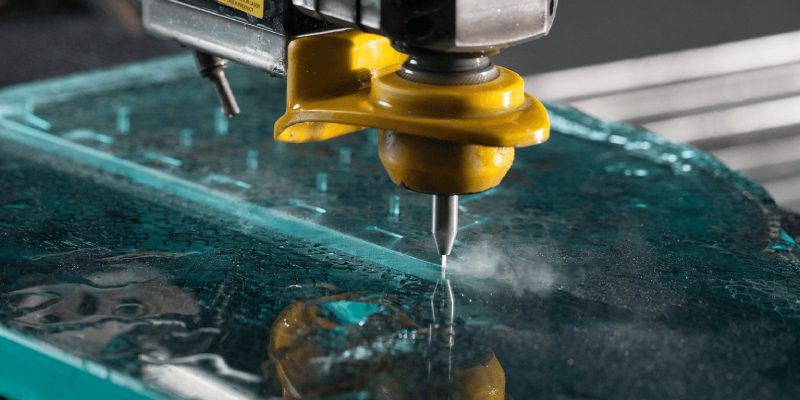
This guide explains how these machines work, the different types available, and practical insights to help you understand their real-world use.
What Is a Glass Cutting Machine?
A glass cutting machine is a piece of equipment designed to cut glass sheets into specific shapes and sizes with accuracy. It uses controlled pressure and cutting tools to create clean scores on glass surfaces, which are then separated into desired pieces.
Today’s machines range from basic manual systems to fully automatic glass cutting machine setups that integrate software, sensors, and precision tools.
Why It Matters in Glass Processing
In industries like construction, automotive, and interior design, precision is everything. A well-calibrated machine ensures:
- Smooth edges with minimal defects
- Reduced material wastage
- Faster production cycles
- Consistent quality across batches
For example, a glass fabrication unit producing window panels relies on accurate cutting to avoid mismatched dimensions that can affect installation.
Types of Glass Cutting Machines
Different applications require different machines. Understanding these types helps in choosing the right setup.
Manual Glass Cutting Machines
These are simple machines operated by hand. They are commonly used in small workshops or for low-volume work.
- Ideal for basic straight cuts
- Lower initial investment
- Requires skilled handling
While effective, manual machines depend heavily on operator expertise.
Semi-Automatic Machines
These machines combine manual input with automated functions.
- Improved accuracy compared to manual tools
- Faster operation
- Suitable for medium-scale production
They are often used in growing fabrication units transitioning toward automation.
Automatic Glass Cutting Machine
An automatic glass cutting machine uses advanced software and mechanical systems to perform precise cuts with minimal human involvement.
- Computer-controlled cutting patterns
- High-speed operation
- Reduced human error
These machines are widely used in modern glass processing plants where efficiency and precision are critical.
Specialized Machines for Different Glass Types
Not all glass is the same. Different types require specific handling and cutting techniques.
Glass Cutting Machine for Tempered Glass
Tempered glass is known for its strength and safety features. However, it cannot be cut after tempering.
A glass cutting machine for tempered glass is typically used before the tempering process.
- Ensures accurate pre-cut dimensions
- Prevents breakage during tempering
- Maintains structural integrity
For example, glass panels used in shower enclosures are cut first and then tempered to achieve durability.
Glass Cutting Machine for Laminated Glass
Laminated glass consists of multiple layers with an interlayer, usually plastic.
A glass cutting machine for laminated glass must:
- Cut through both glass layers
- Handle the interlayer carefully
- Maintain alignment during cutting
This type of machine is widely used in automotive windshields and safety glass applications.
Machines for Glass Fabrication
A glass cutting machine for glass fabrication is designed for versatility.
- Handles different glass thicknesses
- Supports custom shapes
- Integrates with other processing equipment
These machines are essential in industries producing decorative glass, mirrors, and architectural panels.
Key Features to Look For
Choosing the right machine depends on features that match your requirements.
Precision and Accuracy
Modern machines use CNC (Computer Numerical Control) systems to ensure precise cutting. This is especially important for industries where measurements must be exact.
Automation Level
Higher automation reduces manual effort and increases productivity. Fully automated systems are ideal for large-scale operations.
Software Integration
Advanced machines come with design software that allows operators to create and modify cutting patterns easily.
Durability and Build Quality
Machines used in glass processing plants must withstand continuous operation. Strong build quality ensures long-term reliability.
Practical Example: Real-World Use
Imagine a glass processing plant producing large window panels for commercial buildings.
- Raw glass sheets are loaded onto the machine
- The operator inputs design specifications
- The automatic glass cutting machine performs precise cuts
- The panels move to the next stage, such as polishing or tempering
This streamlined process reduces delays and ensures consistent output.
Turnkey Glass Cutting Plant Setup
Setting up a glass cutting operation involves more than just installing a machine. A turnkey glass cutting plant setup includes everything needed to start and run production smoothly.
What It Includes
- Machine selection based on production needs
- Layout planning for efficient workflow
- Integration with other equipment like edging and polishing systems
- Training for operators
A well-planned setup ensures smooth operations from day one.
Importance of Planning
Without proper planning, even advanced machines may not deliver expected results. For example, poor layout design can slow down production and increase handling time.
Maintenance and Care
Regular upkeep is essential to keep machines running efficiently.
Glass Cutting Machine Maintenance Services
Proper maintenance ensures consistent performance and prevents unexpected breakdowns.
Key maintenance practices include:
- Cleaning cutting tools regularly
- Checking alignment and calibration
- Inspecting moving parts for wear
- Updating software when needed
Even a high-quality machine can lose accuracy if maintenance is ignored.
Tips for Long-Term Performance
- Use appropriate cutting fluids
- Avoid overloading the machine
- Train operators on correct usage
- Monitor performance regularly
These simple steps can extend the life of the equipment and maintain cutting quality.
Common Challenges and Solutions
Even advanced machines can face issues. Understanding common challenges helps in addressing them quickly.
Uneven Cuts
This may occur due to worn cutting tools or incorrect pressure settings.
Solution: Regular tool inspection and calibration adjustments.
Glass Breakage
Improper handling or incorrect settings can lead to breakage.
Solution: Ensure correct machine settings and proper glass placement.
Software Errors
In automated systems, software glitches can affect performance.
Solution: Keep software updated and ensure proper system configuration.
Expert Glass Machinery Consultation
Choosing and operating a glass cutting machine can be complex. Expert glass machinery consultation helps in making informed decisions.
How It Helps
- Identifies the right machine for specific needs
- Suggests workflow improvements
- Provides guidance on installation and operation
For example, a business planning to expand production may need advice on upgrading to an automatic system.
High CPC Keywords and SEO Value
From an SEO perspective, this topic attracts high-value keywords related to industrial equipment and manufacturing.
Examples include:
- industrial glass cutting systems
- CNC glass cutting technology
- automated glass processing equipment
- precision glass fabrication machines
- advanced glass manufacturing solutions
These keywords are often associated with industries that invest heavily in technology, making them valuable for digital content.
Future Trends in Glass Cutting Technology
Technology continues to evolve, bringing new possibilities to glass processing.
Smart Automation
Machines are becoming smarter with AI-driven systems that optimize cutting patterns and reduce waste.
Energy Efficiency
Modern machines focus on reducing energy consumption while maintaining high performance.
Integration with Industry 4.0
Glass cutting machines are increasingly connected to digital systems for real-time monitoring and data analysis.
Final Thoughts
A glass cutting machine is more than just a tool. It is a key component in modern glass processing, shaping everything from windows to automotive glass.
Understanding the different types, features, and applications helps in making informed decisions. Whether it’s a small workshop or a large-scale glass processing plant, the right machine can improve efficiency, accuracy, and overall output.