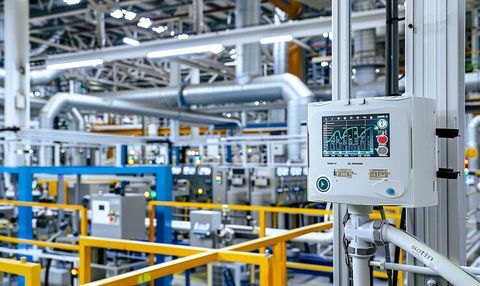
These networks collect, share, and analyze data in real time, helping businesses and cities make smarter decisions.
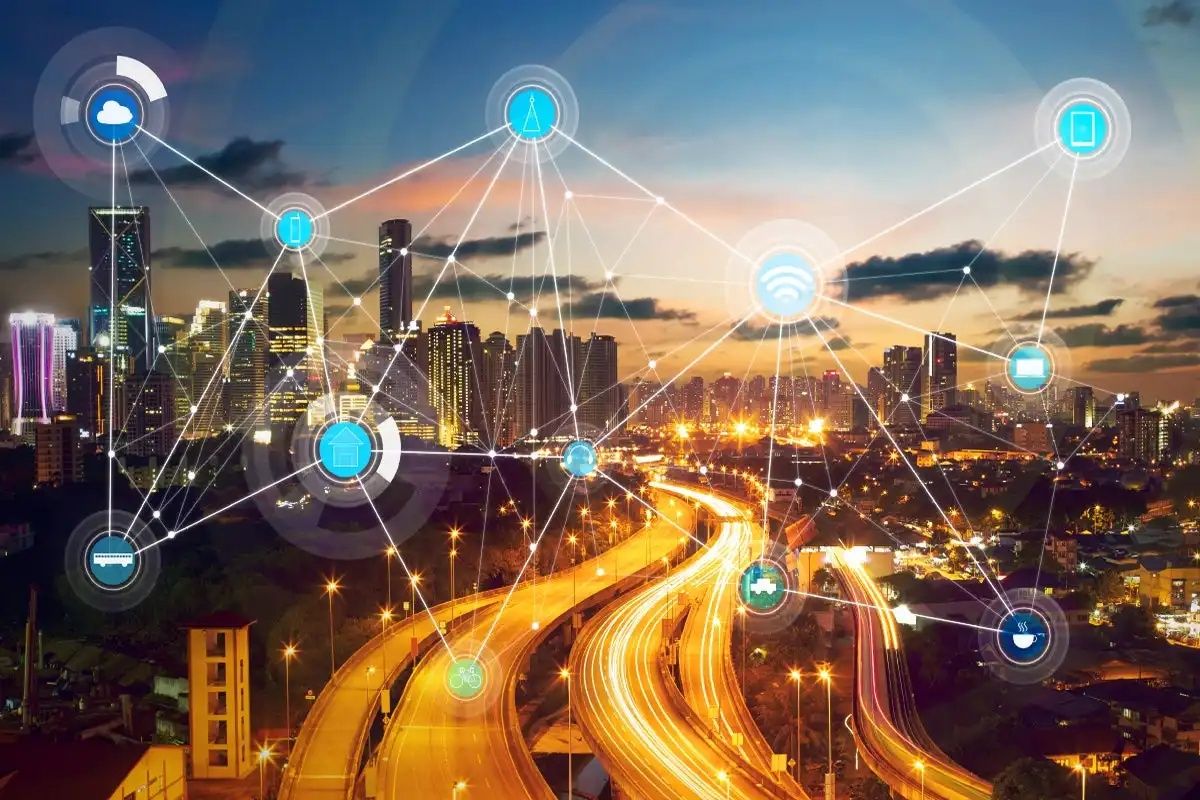
If you’ve ever wondered how traffic lights adjust automatically or how packages are tracked across continents, the answer often lies in IoT sensor networks. This guide breaks everything down in a simple, practical way so you can understand how they work and where they are used.
What Are IoT Sensor Networks?
IoT sensor networks are groups of connected sensors that collect and transmit data through the internet or private networks. These sensors measure things like temperature, motion, humidity, location, and more.
Think of them as digital eyes and ears placed in different environments. They gather information and send it to systems that analyze it.
Key Components of IoT Sensor Networks
Every network includes a few essential parts:
Sensors
Sensors capture real-world data. For example, a temperature sensor in a warehouse tracks heat levels.
Connectivity
Data moves through wireless technologies like Wi-Fi, LoRaWAN, or cellular networks.
Data Processing
Collected data is processed either locally or in cloud-based systems.
User Interface
Dashboards or apps help users understand and act on the data.
Together, these parts form smart sensor network systems that operate automatically and efficiently.
How IoT Sensor Networks Work
The process is simple but powerful:
Sensors detect changes in the environment
Data is transmitted to a central system
Software processes the data
Insights are generated for decision-making
For example, in agriculture, sensors measure soil moisture. When levels drop, irrigation systems activate automatically. This saves water and improves crop health.
This is where IoT sensor network software solutions play a major role, turning raw data into meaningful insights.
Real-World Applications of IoT Sensor Networks
IoT is not just a futuristic concept. It’s already part of daily life across industries.
IoT Sensor Network for Smart Cities
Cities use sensor networks to improve urban living.
Traffic management systems adjust signals based on real-time congestion
Air quality sensors monitor pollution levels
Smart lighting systems reduce energy usage
These systems help cities become safer, cleaner, and more efficient.
IoT Sensor Network for Logistics Tracking
Tracking goods in transit has become more precise than ever.
Sensors attached to shipments monitor location, temperature, and handling conditions
Alerts are triggered if goods are exposed to unsafe environments
For example, pharmaceutical shipments rely on these systems to maintain strict temperature ranges.
Healthcare Monitoring
Wearable devices track heart rate, activity levels, and sleep patterns
Hospitals use sensors to monitor patient conditions remotely
This improves patient care while reducing manual monitoring.
Industrial Automation
Factories use sensor networks to monitor equipment performance
Predictive maintenance reduces downtime
Machines can alert operators before failures occur, preventing major disruptions.
Types of IoT Sensor Network Solutions
Different use cases require different approaches. That’s where IoT sensor network solutions come into play.
Wireless Sensor Networks
These are widely used due to flexibility and easy deployment. They work well in remote or large-scale environments.
Edge-Based Systems
Data is processed closer to the source instead of sending everything to the cloud. This reduces delays and improves response time.
Cloud-Based Networks
IoT sensor network cloud platforms handle large volumes of data. They provide scalability and advanced analytics capabilities.
Each type has its own strengths depending on the application.
Role of IoT Sensor Data Analytics Platforms
Collecting data is only half the story. The real value comes from analyzing it.
IoT sensor data analytics platforms help:
Identify patterns and trends
Predict future outcomes
Improve operational efficiency
For instance, in retail, sensors track customer movement. Businesses use this data to optimize store layouts.
Importance of IoT Sensor Network Security Solutions
Security is a critical concern in connected systems. Without proper protection, networks can be vulnerable to cyber threats.
IoT sensor network security solutions focus on:
Data encryption
Secure authentication
Network monitoring
For example, in smart cities, protecting traffic systems from unauthorized access is essential to avoid chaos.
Ignoring security can lead to serious consequences, so it should always be a priority.
IoT Sensor Network Installation Services and Setup
Setting up a network involves planning and proper execution.
Planning the Network
Define the purpose and required data
Choose suitable sensors
Decide on connectivity options
Deployment
Sensors are placed strategically
Network connections are configured
Systems are tested for accuracy
This is where IoT sensor network installation services help ensure everything runs smoothly from the start.
IoT Sensor Integration Services Explained
Modern systems often require integration with existing infrastructure.
IoT sensor integration services connect sensors with:
Business software
Cloud platforms
Data analytics tools
For example, a logistics company may integrate sensor data with its tracking dashboard for real-time visibility.
Integration ensures that all systems work together without friction.
Using IoT Sensor Network Comparison Tools
Choosing the right setup can be challenging. That’s where IoT sensor network comparison tools become useful.
They help evaluate:
Different technologies
Performance capabilities
Scalability options
For example, comparing LoRaWAN with cellular networks helps determine which is better for long-range communication.
These tools simplify decision-making and reduce guesswork.
Benefits of Smart Sensor Network Systems
IoT sensor networks bring several advantages across industries.
Improved Efficiency
Automation reduces manual work
Processes become faster and more accurate
Real-Time Insights
Decisions are based on live data instead of assumptions
Better Resource Management
Energy, water, and materials are used more efficiently
Enhanced Safety
Early warnings help prevent accidents and damage
For example, in construction, sensors detect structural stress and alert teams before issues escalate.
Challenges in IoT Sensor Networks
Despite the benefits, there are some challenges to consider.
Connectivity Issues
Remote areas may face network limitations
Data Overload
Large volumes of data can be difficult to manage
Security Risks
Without proper protection, systems can be exposed to threats
Compatibility Problems
Different devices may not work seamlessly together
Addressing these challenges requires careful planning and the right technology choices.
Future Trends in IoT Sensor Networks
The future of IoT looks promising, with several exciting developments ahead.
AI Integration
Artificial intelligence will enhance data analysis and automation
5G Connectivity
Faster networks will improve communication speed and reliability
Energy-Efficient Sensors
New designs will reduce power consumption
Expanded Use Cases
More industries will adopt IoT for innovation and efficiency
These trends will make IoT sensor networks even more powerful and accessible.
When to Seek Expert IoT Sensor Network Consultation
Not every setup is straightforward. Complex projects often require expert IoT sensor network consultation.
Situations where guidance is helpful:
Large-scale deployments
Advanced analytics requirements
Integration with multiple systems
Experts can help design efficient and scalable solutions tailored to specific needs.
Practical Example: Smart Warehouse System
Imagine a warehouse using IoT sensor networks.
Sensors monitor temperature and humidity
Tracking devices follow inventory movement
Alerts notify managers about delays or issues
The system improves accuracy, reduces losses, and enhances overall operations.
This is a simple example of how IoT sensor network for logistics tracking works in real life.
Final Thoughts
IoT sensor networks are transforming how we interact with the world around us. From smart cities to logistics and healthcare, these systems provide valuable insights that drive better decisions.
Understanding how they work and where they can be applied helps individuals and businesses stay ahead in a connected world. With the right approach, tools, and security measures, IoT sensor networks can unlock significant potential across industries.
As technology continues to evolve, these networks will become even more integrated into everyday life, making systems smarter, faster, and more efficient.