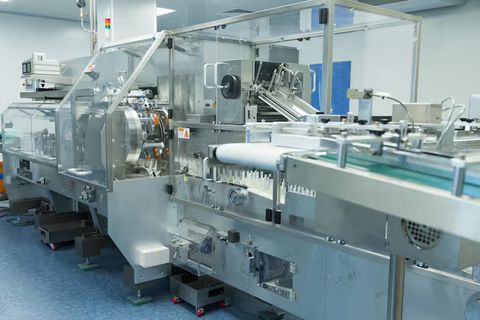
Behind this transformation are dyeing machines—powerful systems designed to deliver consistent color, efficiency, and precision.
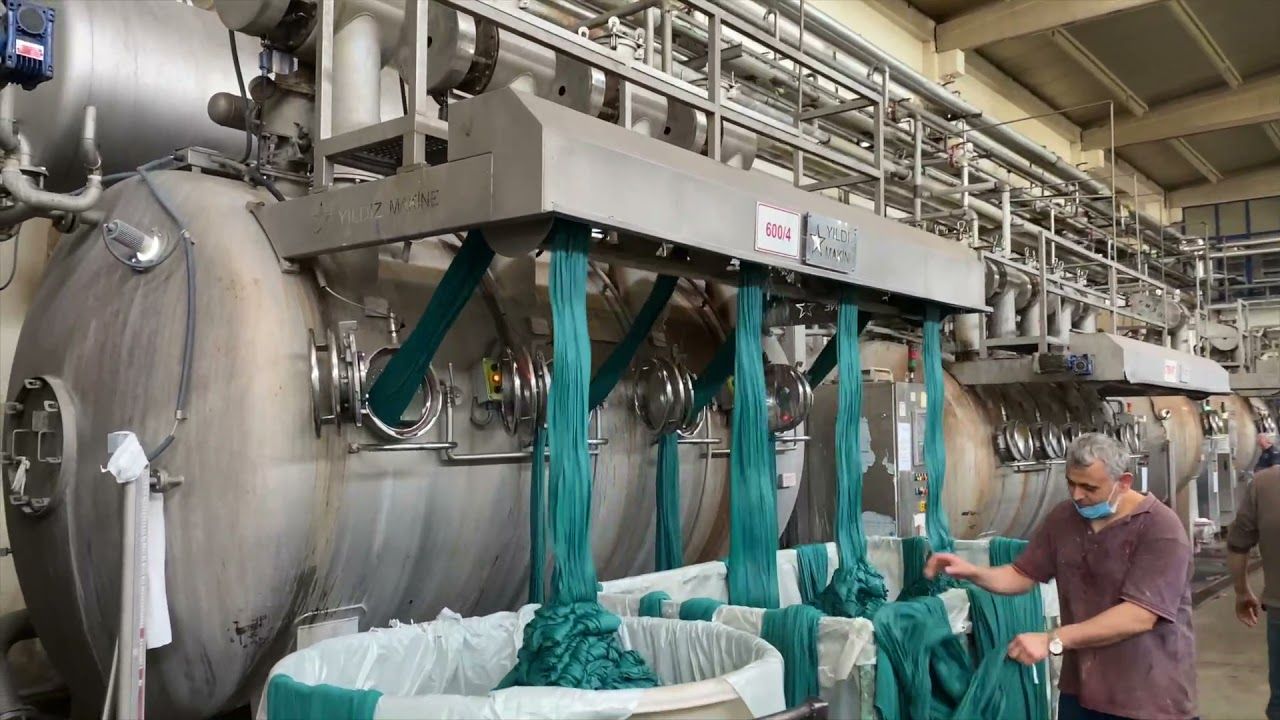
If you’ve ever wondered how textile dyeing machines work or how modern industrial dyeing machines improve production, this guide breaks everything down in a simple, practical way.
What Are Dyeing Machines?
Dyeing machines are specialized equipment used to apply color to fabrics, yarns, or fibers. These machines control temperature, pressure, and chemical interaction to ensure uniform dye penetration.
Modern textile dyeing machines are designed for accuracy and repeatability. This means you can achieve the same shade across multiple batches without variation.
Why They Matter in Textile Production
Without proper dyeing equipment, results can be uneven, faded, or inconsistent. That leads to wasted material and lower product quality.
Industrial dyeing machines help:
- Maintain color consistency
- Reduce water and energy usage
- Improve production speed
- Minimize fabric damage
For example, a garment factory producing cotton shirts needs identical color tones across thousands of pieces. A well-calibrated dyeing machine makes that possible.
Types of Textile Dyeing Machines
There are several types of dyeing machines, each designed for specific materials and processes.
Jet Dyeing Machine
A jet dyeing machine is widely used for fabric dyeing, especially for synthetic and delicate materials.
It works by circulating fabric in a closed loop using a high-speed dye liquor jet. This ensures even dye distribution without stressing the fabric.
Key benefits:
- Suitable for lightweight fabrics
- Reduced creasing
- High efficiency in water usage
Example: Polyester sportswear often goes through jet dyeing for smooth and uniform results.
Soft Flow Dyeing Machines
These machines are similar to jet systems but use a gentler flow. They are ideal for delicate fabrics like silk and fine cotton.
They reduce fabric tension, which helps preserve texture and softness.
Winch Dyeing Machines
This traditional method involves fabric moving in a loop through dye liquor.
It is simple but less efficient compared to modern automatic dyeing machines.
Best for:
- Small-scale production
- Fabrics that require gentle handling
Package Dyeing Machines
Used mainly for yarn dyeing, these machines dye fibers wound on cones or packages.
They ensure deep penetration of dye into yarn layers.
Common use:
- Denim yarn
- Knitting yarns
Automatic Dyeing Machines and Modern Technology
Automation has changed how dyeing works. Automatic dyeing machines reduce manual input and improve precision.
How Automation Improves Efficiency
With dyeing machine automation systems, operators can control:
- Temperature cycles
- Chemical dosing
- Dyeing duration
- Water levels
This reduces human error and improves repeatability.
For example, a digital control panel can store multiple dye recipes. Once set, the machine follows the same steps every time.
Real-Life Scenario
Imagine a textile unit producing fabric for international brands. They need exact shades for every batch. Automated machines ensure consistency, even across different production days.
Energy Efficient and Eco Friendly Dyeing Machines
Sustainability is now a major focus in textile manufacturing.
Energy Efficient Dyeing Machines
Modern machines are designed to use less water and energy. Features include:
- Heat recovery systems
- Low liquor ratio technology
- Optimized dye cycles
This reduces operational expenses and environmental impact.
Eco Friendly Dyeing Machines
Eco friendly dyeing machines focus on reducing pollution.
They help by:
- Minimizing chemical discharge
- Reducing water usage
- Supporting safer dyeing processes
For example, some machines reuse water from previous cycles after treatment, cutting down waste significantly.
Dyeing Machine Manufacturers and Industry Trends
Dyeing machine manufacturers are continuously improving designs to meet industry demands.
What to Look for in Manufacturers
When evaluating dyeing machine manufacturers, consider:
- Technology integration
- Build quality
- Energy-saving features
- Availability of dyeing machine parts and accessories
Strong manufacturers focus on durability and long-term performance rather than short-term output.
Industry Trends
Current trends include:
- Smart automation and IoT integration
- Real-time monitoring systems
- Sustainable dyeing solutions
- Compact machine designs for space efficiency
These trends are shaping the future of textile dyeing machines.
Dyeing Machine Parts and Accessories
Every dyeing machine relies on multiple components working together.
Common Parts
Key dyeing machine parts and accessories include:
- Pumps for liquid circulation
- Heat exchangers
- Valves and pipes
- Control panels
- Fabric carriers
Each part plays a role in maintaining proper dyeing conditions.
Importance of Quality Components
Low-quality components can lead to uneven dyeing or machine breakdown.
For example, a faulty pump may disrupt dye circulation, causing patchy fabric coloring.
Dyeing Machine Maintenance Services and Installation
Proper upkeep ensures long machine life and consistent output.
Maintenance Essentials
Regular dyeing machine maintenance services focus on:
- Cleaning internal systems
- Checking pressure and temperature controls
- Inspecting moving parts
- Replacing worn-out components
Routine maintenance prevents unexpected downtime.
Installation Considerations
Dyeing machine installation services involve careful planning.
Important factors include:
- Floor strength and layout
- Water supply and drainage
- Electrical setup
- Ventilation
A poorly installed machine can affect performance and safety.
Dyeing Machine Cost Estimation and Planning
Planning a textile setup requires understanding multiple factors beyond just equipment price.
What Influences Investment
Dyeing machine cost estimation depends on:
- Machine type and capacity
- Level of automation
- Energy efficiency features
- Additional accessories
For example, a fully automatic dyeing machine with advanced controls will require higher initial investment compared to basic models.
Long-Term Value
While initial spending matters, long-term efficiency is more important.
Energy efficient dyeing machines often reduce operational expenses over time, making them a smarter choice.
Turnkey Textile Dyeing Plant Setup
A turnkey textile dyeing plant setup means building a complete system from start to finish.
What It Includes
A full setup typically involves:
- Machine selection
- Layout planning
- Installation
- Testing and calibration
- Training for operators
This approach ensures everything works together smoothly.
Example
A new textile unit planning large-scale fabric production may choose a turnkey setup to avoid compatibility issues between machines and systems.
Expert Dyeing Machine Consultation Services
Guidance from experienced professionals helps avoid costly mistakes.
Why Consultation Matters
Expert dyeing machine consultation services help with:
- Selecting the right machine type
- Optimizing production flow
- Improving dyeing quality
- Reducing resource usage
For example, choosing the wrong machine for a specific fabric type can lead to poor results and wasted materials.
Practical Tips for Better Dyeing Results
Even with advanced machines, good practices are essential.
Tip 1: Maintain Consistent Parameters
Always keep temperature, time, and chemical levels consistent.
Small changes can affect final color.
Tip 2: Use Quality Raw Materials
High-quality dyes and chemicals improve results and reduce reprocessing.
Tip 3: Monitor Fabric Movement
Smooth fabric movement ensures even dye distribution.
Tip 4: Regular Calibration
Calibrate sensors and controls to maintain accuracy.
Tip 5: Train Operators Properly
Well-trained operators can quickly identify issues and adjust settings.
Common Challenges and How to Handle Them
Dyeing is a complex process, and challenges can arise.
Uneven Coloring
Cause: Improper circulation or incorrect parameters
Solution: Check pump performance and adjust settings
Fabric Damage
Cause: High tension or temperature
Solution: Use soft flow or controlled processes
Excess Water Usage
Cause: Inefficient machine design
Solution: Upgrade to energy efficient dyeing machines
Final Thoughts
Dyeing machines are the backbone of textile coloration. From jet dyeing machines to advanced automatic dyeing machines, each type plays a unique role in production.
Modern industrial dyeing machines focus on precision, efficiency, and sustainability. With the right setup, proper maintenance, and smart planning, textile businesses can achieve consistent quality and better performance.
Understanding these machines is not just for industry professionals. Even beginners can grasp the basics and make informed decisions with the right knowledge.
Whether you’re exploring dyeing machine manufacturers, planning a turnkey textile dyeing plant setup, or learning about eco friendly dyeing machines, the key is to focus on long-term efficiency and quality output.