The need for video editing tools comes from the growing use of video as a communication format. Whether it is for social media, online learning, or storytelling, raw footage often needs refinement. Editing helps transform unpolished clips into structured, engaging content that communicates clearly.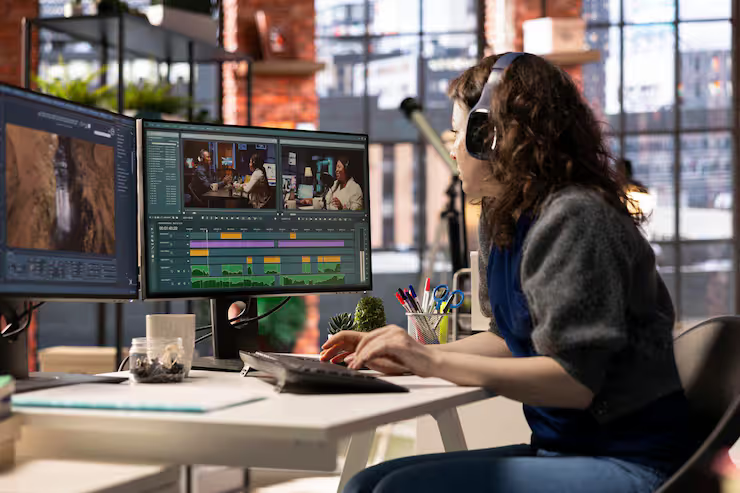
Over time, these tools have evolved from complex systems used by professionals to accessible platforms that beginners can learn quickly. Many modern tools include drag-and-drop features, templates, and automated enhancements, making video editing easier for a wide audience.
Why Video Editing Tools Matter Today
Video has become one of the most widely consumed forms of content. People rely on it for learning, entertainment, and communication. Because of this, the quality of videos has become more important than ever.
Who benefits from video editing tools
Different groups rely on these tools for different purposes:
- Content creators use them to produce engaging videos for platforms like social media and streaming sites
- Businesses create promotional and informational videos to communicate with customers
- Students and educators use video to explain concepts and share knowledge
- Individuals edit personal videos for events, memories, or storytelling
Problems these tools help solve
Video editing tools address several challenges:
- Turning raw footage into a structured story
- Improving video clarity, lighting, and sound quality
- Removing unwanted sections or mistakes
- Adding captions, graphics, and effects for better understanding
- Adjusting formats to suit different platforms
Without editing, videos may appear unorganized or difficult to follow. Editing ensures that the final output is clear, engaging, and suitable for its purpose.
Trends and Developments in Video Editing
Video editing continues to change as technology improves. Several noticeable trends have shaped how people create and edit videos.
Rise of AI-assisted editing
Modern video editing tools increasingly include artificial intelligence features. These can automatically cut clips, suggest transitions, and enhance audio quality. Some tools even generate captions or subtitles without manual input.
AI has made editing faster and more accessible, especially for beginners who may not have technical experience.
Mobile-first editing
Editing is no longer limited to desktop computers. Many people now use smartphones to record and edit videos. Mobile editing apps offer simplified interfaces and quick export options, making it easier to create content on the go.
Short-form video optimization
Short videos have become highly popular across platforms. Editing tools now include templates and features designed specifically for short clips, such as vertical video formats, quick transitions, and built-in effects.
Cloud-based collaboration
Some video editing platforms allow users to work together online. Teams can edit the same project, share feedback, and manage files without needing to transfer data manually. This has improved efficiency for collaborative projects.
Improved accessibility features
Recent updates in editing tools include features like automatic subtitles, voice recognition, and screen readers. These improvements help make video content accessible to a wider audience.
Rules and Guidelines Affecting Video Editing
Video editing is influenced by various laws and policies, especially when content is shared publicly. These rules help ensure responsible and fair use of media.
Copyright and content ownership
Using music, images, or clips without permission can lead to copyright issues. Many countries have laws that protect original content. Video creators must ensure they have the right to use any material included in their videos.
Common guidelines include:
- Use original or licensed content
- Avoid copying others’ work without permission
- Credit creators when required
Data protection and privacy
When videos include people, personal data may be involved. Privacy laws in many regions require consent before recording or sharing identifiable individuals.
For example:
- Avoid filming people without permission in private settings
- Be cautious when sharing sensitive or personal information
- Follow local privacy regulations when publishing content
Platform-specific policies
Online platforms often have their own rules regarding video content. These policies may restrict certain types of content or require specific formats.
Creators should be aware of:
- Community guidelines
- Content moderation rules
- Advertising and monetization policies
Following these rules helps prevent content removal or account restrictions.
Useful Tools and Resources for Video Editing
There are many video editing tools available, each designed for different skill levels and purposes. Choosing the right tool depends on your needs and experience.
Beginner-friendly tools
These tools are simple to use and suitable for those new to editing:
- Mobile editing apps with basic features
- Tools with templates and guided editing options
- Platforms with drag-and-drop interfaces
Intermediate editing tools
These offer more control while remaining user-friendly:
- Multi-track editing for combining video and audio
- Advanced transitions and effects
- Basic color correction and audio adjustments
Professional editing tools
These tools are used for complex projects and provide advanced features:
- Detailed timeline editing
- High-level color grading
- Special effects and motion graphics
- Support for high-resolution formats
Helpful resources for learning
Improving editing skills often requires practice and learning. Useful resources include:
- Online tutorials and video guides
- Community forums and discussion groups
- Practice projects and sample footage
- Editing templates for different styles
Using a combination of tools and resources can help users gradually improve their editing skills.
Common Questions About Video Editing Tools
What is the easiest way to start editing videos?
Start with a simple tool that offers basic features like trimming, cutting, and adding text. Focus on learning the basics before exploring advanced options. Practice with short clips to build confidence.
Do video editing tools require technical skills?
Not always. Many tools are designed for beginners and include easy-to-use interfaces. While advanced tools may require more knowledge, basic editing can be learned quickly with practice.
Can video editing improve content quality?
Yes, editing helps organize content, improve visuals, and enhance sound. Even simple adjustments like trimming clips or adjusting brightness can make a significant difference.
How long does it take to learn video editing?
Learning basic editing can take a few hours or days, depending on the tool. Becoming skilled in advanced techniques may take longer and requires consistent practice.
Are mobile editing tools effective?
Mobile tools are effective for simple and quick edits. They are especially useful for short videos and social media content. For more complex projects, desktop tools may offer greater flexibility.
Conclusion
Video editing tools play an important role in modern communication. They help transform raw footage into meaningful and engaging content that can inform, entertain, or educate. As video continues to grow in popularity, these tools have become more accessible and easier to use.
From beginners creating personal videos to professionals producing high-quality content, video editing tools support a wide range of users. Understanding how they work, staying aware of current trends, and following relevant guidelines can help anyone create better videos.
With the right approach and consistent practice, video editing becomes a valuable skill that enhances how ideas are shared in a visual world.