Whether it’s fresh vegetables, dairy products, seafood, or pharmaceuticals, maintaining the right temperature is not just important—it’s essential.
In simple terms, cold chain transport is a system where products are stored, handled, and moved under controlled temperature conditions. A small mistake in temperature management can lead to spoilage, financial loss, and safety concerns.
This guide breaks down everything you need to know about cold chain logistics in a practical and easy-to-understand way, along with useful tips to help you make smarter decisions.
What Is Cold Chain Transport?
Cold chain transport refers to the movement of goods that must stay within a specific temperature range throughout their journey. This includes storage, handling, and transportation using specialized equipment.
Temperature ranges vary depending on the product:
- Frozen goods: usually below -18°C
- Chilled goods: between 0°C to 4°C
- Controlled ambient goods: around 15°C to 25°C
Cold chain logistics services ensure that these temperature ranges are maintained consistently from start to finish.
Why Temperature Controlled Logistics Matters
Temperature controlled logistics is not just about keeping products cold. It is about preserving quality, safety, and shelf life.
Imagine transporting fresh milk without proper cooling. Within hours, it can spoil. The same applies to seafood, fruits, vaccines, and even chocolates.
Here’s why it matters:
- Prevents spoilage and waste
- Maintains product quality
- Ensures safety for consumption
- Helps meet regulatory standards
- Protects brand reputation
Businesses that rely on food cold chain logistics cannot afford temperature fluctuations.
Key Components of Cold Chain Logistics
Cold chain transport is not a single step process. It involves several connected stages.
Cold Storage Facilities
Before transportation begins, goods are stored in temperature-controlled warehouses. These facilities are designed to maintain stable conditions for long periods.
Refrigerated Transport Services
Refrigerated vehicles, also known as reefers, are used to move goods. These vehicles are equipped with cooling systems that maintain the required temperature during transit.
Monitoring and Tracking
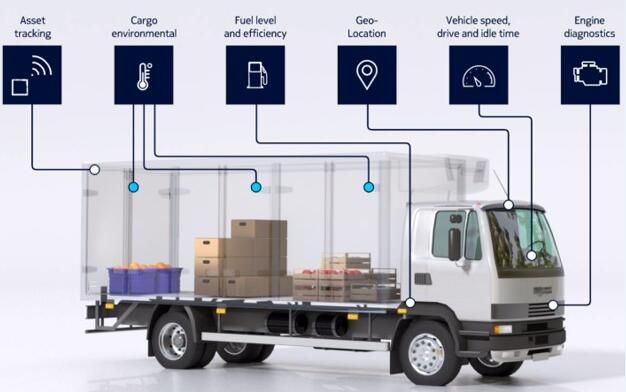
Modern temperature controlled logistics uses sensors and GPS tracking. These tools help monitor temperature in real time and alert operators if conditions change.
Packaging Solutions
Special packaging like insulated boxes, gel packs, and dry ice helps maintain temperature during handling and last-mile delivery.
Types of Cold Chain Transport
Different types of transport are used depending on distance and urgency.
Road Transport
This is the most common method. Refrigerated trucks are widely used for short to medium distances.
Rail Transport
Rail is used for bulk movement over long distances. It is more energy-efficient but less flexible than road transport.
Air Transport
Refrigerated cargo transport services by air are used for high-value or highly perishable goods. It is faster but comes with higher pricing factors.
Sea Transport
Used for international shipments, especially for seafood and frozen goods. Ships use refrigerated containers to maintain temperature.
Cold Chain Transport for Perishable Goods
Perishable goods are highly sensitive to temperature changes. Even a small delay or fluctuation can reduce their quality.
Fruits and Vegetables
Fresh produce needs controlled humidity and temperature to stay fresh. Too much heat can cause ripening, while too much cold can damage texture.
Meat and Poultry
These products must stay frozen or chilled to prevent bacterial growth.
Cold Chain Logistics for Dairy Products
Milk, cheese, and yogurt require strict temperature control. Even brief exposure to higher temperatures can spoil the entire batch.
Cold Chain Transport for Seafood
Seafood is one of the most sensitive categories. It often requires rapid transport and continuous cooling using ice or refrigerated systems.
Cold Storage and Transportation Services: How They Work Together
Cold storage and transportation services must work in sync. A breakdown at any stage can compromise the entire process.
For example:
- Goods stored at correct temperature but transported in a faulty vehicle can spoil
- Proper transport but poor storage conditions can lead to contamination
The entire chain must remain unbroken, which is why it is called a “cold chain.”
Cold Chain Distribution Services Explained
Cold chain distribution services focus on delivering goods from warehouses to retailers or end users.
This stage is often the most complex because:
- Deliveries are time-sensitive
- Multiple stops may be involved
- Temperature must be maintained during loading and unloading
Efficient distribution ensures products reach customers in the best possible condition.
Cold Chain Transport Pricing and Rates
Cold chain transport pricing and rates depend on several factors.
Distance
Longer distances typically increase expenses due to fuel and time.
Temperature Requirements
Frozen transport usually requires more energy than chilled transport.
Type of Goods
Fragile or high-value goods may need special handling.
Speed of Delivery
Faster transport options like air cargo are generally more expensive than road or sea transport.
Packaging Needs
Special packaging materials can also influence overall pricing.
Understanding these factors helps businesses plan better and avoid unnecessary losses.
Cold Chain Transport Companies Comparison
Choosing the right provider is crucial. Not all companies deliver the same level of reliability.
Here are some key points to compare:
- Temperature control technology
- Real-time tracking capabilities
- Experience with specific product categories
- Coverage area
- Handling procedures
Cold chain transport companies comparison should always focus on reliability rather than just pricing.
Expert Cold Chain Logistics Consultation Services
Expert cold chain logistics consultation services can help businesses optimize their operations.
Consultation can assist with:
- Choosing the right transport method
- Improving storage efficiency
- Reducing waste
- Ensuring compliance with regulations
For example, a dairy business may need guidance on maintaining consistent temperatures during peak summer months. Expert advice can prevent large-scale losses.
Common Challenges in Cold Chain Transport
Cold chain logistics is complex and comes with several challenges.
Temperature Fluctuations
Even a brief temperature spike can damage products.
Equipment Failure
Refrigeration units can fail due to mechanical issues.
Delays in Transit
Traffic, weather, or customs delays can affect delivery timelines.
High Energy Usage
Maintaining low temperatures requires significant energy, which increases operational expenses.
Lack of Skilled Handling
Improper loading or unloading can expose goods to unsafe conditions.
Practical Tips for Better Cold Chain Transport
Managing cold chain logistics effectively requires attention to detail. Here are some practical tips:
Plan Routes Carefully
Choose the fastest and most reliable routes to minimize transit time.
Use Real-Time Monitoring
Temperature tracking systems help detect issues early.
Train Staff Properly
Handling temperature-sensitive goods requires specific knowledge.
Maintain Equipment Regularly
Routine checks reduce the risk of breakdowns.
Choose the Right Packaging
Good packaging can act as a backup layer of protection.
Avoid Frequent Door Openings
Every time a refrigerated container is opened, temperature can rise.
Future Trends in Cold Chain Logistics
Cold chain logistics is evolving with technology.
Smart Sensors
Advanced sensors provide accurate temperature data in real time.
Automation
Automated warehouses improve efficiency and reduce human error.
Sustainable Cooling Solutions
Energy-efficient refrigeration systems are becoming more common.
Data-Driven Decisions
Analytics help optimize routes, reduce waste, and improve performance.
These innovations are making temperature controlled logistics more reliable and efficient.
Final Thoughts
Cold chain transport is the backbone of industries that depend on perishable goods. From food cold chain logistics to pharmaceutical distribution, maintaining the right temperature is essential at every step.
Understanding how cold chain logistics services work, what challenges to expect, and how to manage them can make a huge difference. Whether you are dealing with dairy products, seafood, or frozen items, the key lies in consistency, planning, and the right technology.
By focusing on quality, monitoring, and smart decision-making, businesses can protect their products, reduce waste, and build trust with their customers.