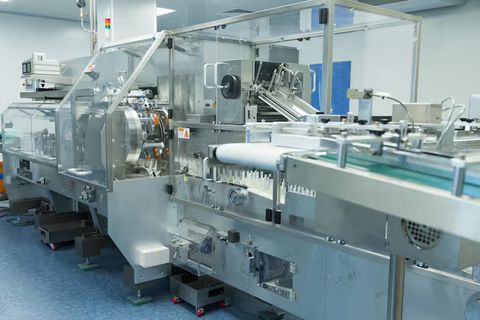
The primary purpose of a coating machine is to ensure consistent application with precise thickness, minimal waste, and controlled environmental conditions. This helps improve product quality, extend lifespan, and meet regulatory standards.
How Coating Machines Work
Coating machines operate by depositing a liquid, powder, or film onto a substrate such as metal, plastic, paper, or glass. The process typically involves several stages:
- Surface preparation to remove contaminants
- Application of coating material through specific techniques
- Drying or curing to solidify the coating
- Quality inspection to ensure uniformity and adherence
Depending on the technology, coatings may be applied using rollers, sprays, dipping systems, or advanced automated processes. Control systems regulate speed, temperature, and pressure to achieve precise results.
Importance and Real-World Applications
Coating machines play a critical role in modern manufacturing by improving product performance and efficiency.
Key Applications
- Automotive: Protective and decorative coatings on vehicle parts
- Electronics: Thin film coatings for circuit boards and semiconductors
- Pharmaceuticals: Tablet coating for controlled release and stability
- Packaging: Barrier coatings for moisture and oxygen resistance
- Construction: Anti-corrosion coatings for structural materials
Problems They Solve
- Prevent corrosion and material degradation
- Enhance surface strength and durability
- Improve product aesthetics and branding
- Enable functional properties like waterproofing or insulation
- Reduce maintenance requirements
Types of Coating Machines
Different industries require specific coating methods depending on materials and desired outcomes.
Common Types
-
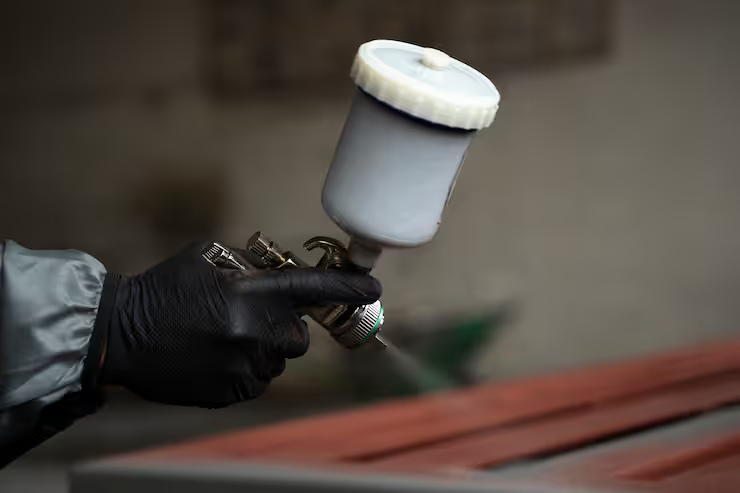
Spray Coating Machines
Use atomized particles to apply coatings evenly on surfaces -
Roller Coating Machines
Apply coatings using rotating rollers for flat surfaces -
Dip Coating Machines
Submerge objects into coating material for full coverage -
Powder Coating Machines
Apply dry powder that is later cured into a solid layer -
Slot-Die Coating Machines
Provide precise thin-film coatings for electronics and optics -
Gravure Coating Machines
Use engraved rollers for high-speed and uniform application
Key Components of Coating Machines
Essential Parts
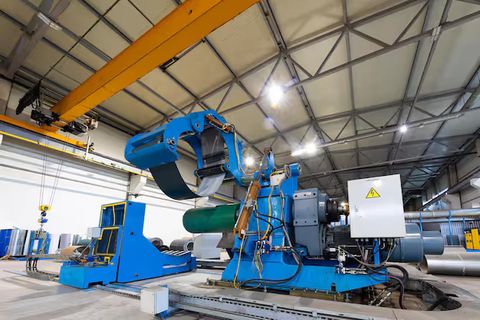
- Coating Head: Applies the material to the surface
- Conveyor System: Moves substrates through the process
- Drying or Curing Unit: Solidifies the coating
- Control Panel: Manages speed, temperature, and pressure
- Material Supply System: Stores and feeds coating material
- Sensors and Monitoring Systems: Ensure consistency and quality
Key Features and Performance Factors
Important Features
- Precision thickness control
- Automated operation and monitoring
- High-speed production capability
- Energy-efficient drying systems
- Compatibility with multiple materials
Performance Factors
- Coating viscosity and material properties
- Machine speed and environmental conditions
- Surface preparation quality
- Calibration and maintenance
Recent Trends and Developments (2025–2026)
The coating machine industry has seen significant advancements over the past year, driven by automation and sustainability.
Key Trends
-
Smart Coating Systems (2025)
Integration of IoT sensors for real-time monitoring and predictive maintenance -
Eco-Friendly Coatings (2025–2026)
Increased use of water-based and low-VOC coatings to meet environmental standards -
AI-Based Quality Control (2026)
Machine learning systems detecting defects during production -
Energy-Efficient Drying Technologies (2025)
Use of infrared and UV curing to reduce energy consumption -
Advanced Thin-Film Coating (2026)
Growth in precision coating for electronics and renewable energy devices
Regulations and Industry Standards
Coating machines and processes must comply with various environmental and safety regulations.
Key Regulations
-
VOC Emission Standards
Limit harmful emissions from coating materials -
Occupational Safety Guidelines
Ensure worker protection from chemicals and machinery hazards -
ISO Quality Standards
Maintain consistency and product reliability -
Environmental Protection Policies
Encourage sustainable manufacturing practices
Compliance with these regulations ensures safe operation and reduces environmental impact.
Tools, Platforms, and Learning Resources
Useful Resources
- Simulation Software for Coating Processes
- Industrial Automation Platforms for machine control
- Online engineering courses on surface coating technologies
- Technical manuals from manufacturing associations
- Research journals on materials science and coating innovations
These resources help professionals understand advanced coating methods and improve operational efficiency.
Comparison Table of Coating Machine Types
| Type | Application Area | Precision Level | Speed | Material Type |
|---|---|---|---|---|
| Spray Coating | Automotive, furniture | Medium | High | Liquid coatings |
| Roller Coating | Packaging, printing | High | High | Liquid coatings |
| Dip Coating | Industrial parts | Medium | Moderate | Liquid coatings |
| Powder Coating | Metal finishing | High | Moderate | Powder materials |
| Slot-Die Coating | Electronics, optics | Very High | Moderate | Thin films |
| Gravure Coating | Paper, packaging | High | Very High | Liquid coatings |
FAQs
What is the main function of a coating machine?
A coating machine applies a uniform layer of material to enhance protection, durability, or functionality of a surface.
Which industries use coating machines the most?
They are widely used in automotive, electronics, pharmaceuticals, packaging, and construction industries.
What factors affect coating quality?
Surface preparation, material viscosity, machine calibration, and environmental conditions all influence coating quality.
Are coating machines environmentally friendly?
Modern systems use low-emission materials and energy-efficient processes to reduce environmental impact.
What is the difference between powder and liquid coating?
Powder coating uses dry particles cured with heat, while liquid coating involves solvent-based or water-based materials applied in liquid form.
Conclusion
Coating machines are essential tools in modern manufacturing, enabling precise and efficient application of protective and functional layers across a wide range of industries. Their ability to enhance product durability, improve performance, and meet strict regulatory standards makes them indispensable in industrial processes.
With advancements in automation, sustainability, and smart technologies, coating machines continue to evolve, offering higher efficiency and better environmental compatibility. Understanding their types, components, and applications helps industries optimize production and maintain high-quality standards.