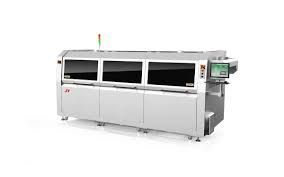
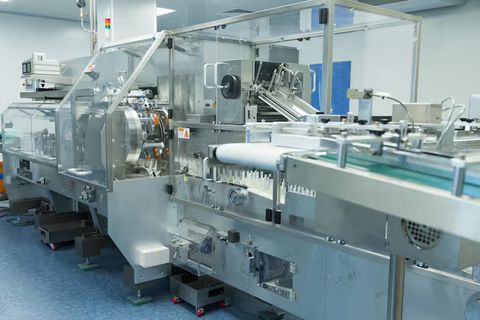
The importance of CNC automation has increased significantly with the rise of modern manufacturing and Industry 4.0. Traditional manual machining processes are being replaced by automated systems that reduce human error and improve production consistency. CNC tools enable manufacturers to produce complex parts with high precision and minimal waste.
Recent trends include integration with IoT systems, artificial intelligence, and real-time monitoring technologies. These advancements allow CNC machines to operate more efficiently, predict maintenance needs, and optimize production workflows. As a result, CNC automation tools have become essential for competitive and scalable manufacturing operations.
Who It Affects and What Problems It Solves
CNC automation tools are used by manufacturers, engineers, machine operators, and production managers across industries such as automotive, aerospace, electronics, and metal fabrication. These systems are essential for producing components with tight tolerances and consistent quality.
Without CNC automation, manufacturers may face challenges such as inconsistent product quality, higher labor costs, and slower production rates. CNC systems address these issues by providing precise and repeatable operations.
Problems It Helps Solve
-
Inconsistent machining accuracy
-
High manual labor and operational costs
-
Limited ability to produce complex designs
-
Increased material waste
-
Slow production cycles
-
Difficulty maintaining quality standards
Recent Updates and Trends
In the past year, CNC automation has evolved with increased adoption of smart manufacturing technologies. Machines are now equipped with sensors that monitor performance, tool wear, and environmental conditions in real time.
Another key trend is the use of AI-driven optimization, which helps improve machining efficiency and reduce downtime. Predictive maintenance systems analyze data to identify potential issues before they occur.
There is also growing use of multi-axis CNC machines, which allow for more complex machining operations in a single setup. This reduces production time and improves accuracy.
Additionally, integration with cloud platforms enables remote monitoring and control, making CNC systems more flexible and scalable.
CNC Automation Tools Components and Functions
| Component | Description | Function | Outcome |
|---|
| CNC Controller | Computer system that controls machine operations | Executes programmed instructions | Automated machining |
| Machine Tool | Physical equipment (lathe, mill, etc.) | Performs cutting and shaping | Material processing |
| Drive System | Motors and actuators | Control movement of machine parts | Precision motion |
| Feedback System | Sensors and encoders | Monitor position and performance | Accuracy and consistency |
| Tooling System | Cutting tools and attachments | Perform machining operations | Desired shape and finish |
| Software Interface | Programming and control software | Create and manage machining programs | Efficient operation |
CNC Workflow and Operation
| Stage | Description | Key Action | Result |
|---|
| Design Phase | Creating part design | CAD modeling | Digital blueprint |
| Programming Phase | Converting design into machine instructions | CAM programming | Machine-ready code |
| Setup Phase | Preparing machine and tools | Tool installation | Ready for operation |
| Machining Phase | Executing programmed operations | Automated cutting | Finished component |
| Inspection Phase | Checking product quality | Measurement and testing | Quality assurance |
This workflow ensures precise and efficient manufacturing processes.
Laws and Policies Related to CNC Automation
CNC automation tools are governed by industrial safety standards and manufacturing regulations. These guidelines ensure safe operation, quality control, and compliance with industry requirements.
In India, CNC machines must comply with safety norms related to machine operation, electrical systems, and worker protection. Operators are required to follow proper training and safety procedures.
Quality standards such as ISO certifications are often applied to ensure consistent production and product reliability. These regulations support efficient and safe manufacturing practices.
Practical Guidance Table
| Situation | Recommended Approach | Practical Benefit |
|---|
| High Precision Requirements | Use multi-axis CNC machines | Improved accuracy |
| Complex Designs | Implement advanced programming techniques | Better product quality |
| Maintenance Needs | Use predictive monitoring systems | Reduced downtime |
| Production Scaling | Integrate CNC with automation systems | Increased efficiency |
Tools and Resources for CNC Automation
CNC automation relies on various tools and resources that support programming, operation, and maintenance. These tools help improve efficiency and ensure consistent results.
Common Tools and Resources
-
CAD/CAM software for design and programming
-
CNC controllers and interfaces
-
Cutting tools and tool holders
-
Measurement and inspection tools
-
Monitoring and diagnostic systems
Tools Comparison Table
| Tool Type | Functionality | Best Use Case |
|---|
| CAD Software | Design components | Product development |
| CAM Software | Generate machining programs | Machine operation |
| Cutting Tools | Perform machining | Material processing |
| Inspection Tools | Measure accuracy | Quality control |
| Monitoring Systems | Track machine performance | Maintenance |
Frequently Asked Questions
What are CNC automation tools?
They are systems that use computer programming to control machining processes.
What industries use CNC machines?
Industries such as automotive, aerospace, electronics, and manufacturing use CNC systems.
What is the advantage of CNC automation?
It provides high precision, repeatability, and efficiency in production.
What is CAD/CAM in CNC?
CAD is used for design, and CAM converts designs into machine instructions.
Are CNC machines fully automated?
Many CNC systems are highly automated but may still require human supervision.
Conclusion
CNC automation tools are a cornerstone of modern manufacturing, enabling precise, efficient, and scalable production processes. By combining advanced components such as controllers, sensors, and software, these systems deliver consistent and high-quality results.
Recent advancements in smart technologies, predictive maintenance, and multi-axis machining have further enhanced CNC capabilities. These developments support improved productivity and reduced operational costs.
A data-driven approach indicates that integrating CNC automation into manufacturing workflows can significantly improve efficiency and accuracy. By adopting advanced tools and maintaining proper operational practices, industries can achieve reliable and high-performance production outcomes.