These cameras were developed to make surveillance easier and more accessible. Traditional wired systems often required complex setups, drilling, and technical knowledge. Wireless systems simplified this process, allowing people to monitor their homes, offices, or small businesses with minimal effort.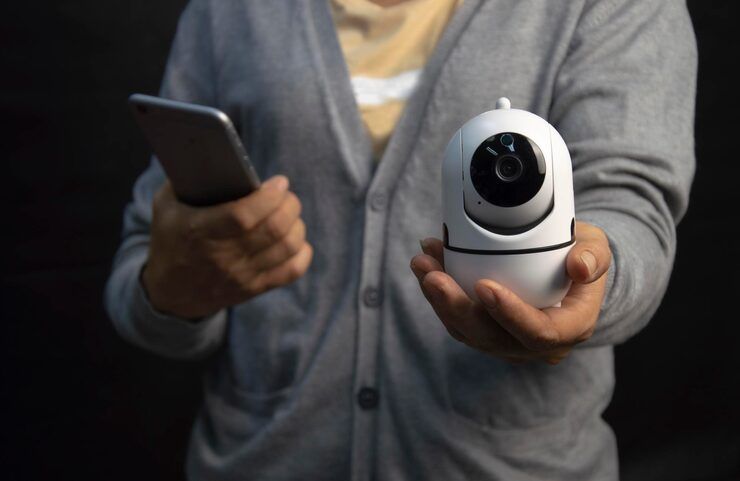
The basic idea is straightforward. A camera captures video, converts it into digital signals, and sends it through a network. Users can then view live footage or recorded clips through an app or browser. Many modern systems also include features like motion detection, night vision, and alerts.
As technology has improved, these cameras have become smaller, smarter, and easier to use. They are now part of everyday safety planning rather than specialized equipment.
Why wireless security cameras matter today
Safety concerns have become more visible in daily life. Whether it is protecting a home, monitoring entry points, or keeping an eye on surroundings, people are looking for simple solutions. Wireless security cameras provide a practical way to stay aware of what is happening in and around a space.
They are useful for different groups of people:
- Homeowners who want to monitor entrances or outdoor areas
- Tenants who need non-permanent security setups
- Small business owners tracking daily activity
- Families keeping an eye on children or elderly members
One major benefit is remote access. Users can check live footage from anywhere using their phones. This reduces uncertainty when away from home.
Another important aspect is deterrence. Visible cameras can discourage unwanted activity. Even a small setup can make a difference in how secure a place feels.
Wireless systems also solve practical problems:
- No need for extensive wiring
- Easier installation in rented spaces
- Flexible placement options
- Ability to expand the system over time
However, they also come with challenges. Internet dependence means performance can be affected by network issues. There are also concerns about data privacy and unauthorized access if security settings are weak.
Overall, these cameras offer convenience and awareness, which are increasingly valued in modern living environments.
Recent trends and developments in wireless camera technology
Wireless security cameras have evolved quickly, with several noticeable trends shaping how they are used.
Smarter detection features
Modern cameras are now equipped with advanced motion detection. Instead of recording everything, they can distinguish between people, animals, and objects. This reduces unnecessary alerts and makes monitoring more efficient.
Integration with smart home systems
Many cameras now work with smart home ecosystems. This allows users to connect cameras with lights, alarms, and voice assistants. For example, a camera detecting movement can trigger outdoor lighting automatically.
Improved video quality
There has been a shift toward higher resolution video. Clearer images help in identifying details like faces or objects. Night vision has also improved, offering better visibility in low-light conditions.
Focus on data privacy
Manufacturers are paying more attention to privacy concerns. Features like end-to-end encryption and two-factor authentication are becoming more common. Users are also given more control over how their data is stored and accessed.
Battery efficiency and solar options
Battery-powered cameras now last longer between charges. Some models include solar charging options, reducing the need for manual recharging and making them suitable for outdoor use.
Cloud and local storage balance
Users now have options to store footage either in the cloud or locally on memory cards. This flexibility helps people choose based on their preferences for access and privacy.
These developments show that wireless cameras are not just about recording video anymore. They are becoming intelligent systems that adapt to user needs.
Rules and regulations related to camera usage
While personal use is generally allowed, there are guidelines to ensure privacy and responsible use.
Privacy considerations
Recording in private spaces without consent can lead to legal issues. Cameras should not be placed in areas where people expect privacy, such as bathrooms or changing rooms.
If cameras are installed in shared spaces, it is advisable to inform others. Transparency helps avoid misunderstandings and potential disputes.
Data protection awareness
Users are encouraged to secure their devices and avoid misuse of recorded footage. Sharing or distributing video without permission can raise legal concerns.
Use in residential societies
Many housing societies have their own rules regarding surveillance systems. These may include:
- Approval for installing cameras in common areas
- Guidelines on placement and angles
- Restrictions on recording shared spaces
It is important to check with local authorities or society management before installation.
Business and workplace monitoring
For businesses, surveillance must follow labor and privacy norms. Employees should be informed if cameras are used in the workplace. Hidden surveillance without notice may lead to legal complications.
Law enforcement and compliance
In some cases, authorities may request access to footage for investigations. Keeping recordings secure and accessible when required can support compliance.
Understanding these rules helps ensure that security measures do not interfere with others’ rights.
Helpful tools and resources for better use
Wireless security cameras are easier to manage when combined with the right tools and resources. These can improve both usability and safety.
Mobile apps
Most cameras come with dedicated apps. These apps allow users to:
- View live footage
- Receive alerts
- Adjust camera settings
- Review recorded clips
Keeping the app updated ensures better performance and security.
Network monitoring tools
A stable internet connection is important. Tools that monitor Wi-Fi strength and performance can help identify weak spots and improve connectivity.
Password management tools
Strong passwords are essential for protecting camera systems. Password managers help create and store secure credentials, reducing the risk of unauthorized access.
Cloud storage dashboards
If using cloud storage, dashboards help manage recordings. Users can organize, download, or delete footage as needed.
Home security checklists
Simple checklists can guide proper camera placement and usage. These often include:
- Positioning cameras at entry points
- Avoiding direct sunlight or glare
- Ensuring proper height and angle
- Testing coverage areas
Firmware update reminders
Regular updates improve performance and fix security issues. Setting reminders ensures the system stays up to date.
Using these resources helps users get the most out of their camera systems while maintaining safety and reliability.
Frequently asked questions
How do wireless security cameras get power?
Wireless cameras still need power to operate. Some use plug-in adapters, while others rely on rechargeable batteries. There are also models that use solar panels for outdoor use.
Do wireless cameras work without the internet?
Some cameras can record locally without internet access. However, features like live streaming, remote viewing, and alerts usually require an active internet connection.
Are wireless security cameras safe from hacking?
They can be secure if proper precautions are taken. Using strong passwords, enabling two-factor authentication, and keeping software updated reduces the risk of unauthorized access.
Where should cameras be placed for best results?
Common placement areas include entrances, hallways, and outdoor perimeters. Cameras should be positioned to cover important zones while avoiding private areas.
How long is footage stored?
Storage duration depends on the system. Some cameras store footage for a few days, while others allow longer storage through cloud or local memory options.
Conclusion
Wireless security cameras have become a practical tool for improving awareness and safety in everyday life. Their ease of installation and flexible use make them suitable for a wide range of environments, from small homes to busy workplaces.
As technology continues to evolve, these systems are becoming smarter and more user-friendly. At the same time, responsible use is important. Understanding privacy concerns, following local rules, and maintaining secure settings helps ensure that these devices are used effectively.
With the right approach, wireless security cameras can provide a balanced mix of convenience and protection, helping people stay informed and prepared in their daily surroundings.