The use of wind as an energy source is not new. Historically, windmills were used for grinding grain and pumping water. Over time, technological advancements transformed these simple devices into advanced Wind Energy Turbines capable of generating electricity on a large scale. Today, wind power is used in both onshore and offshore environments.
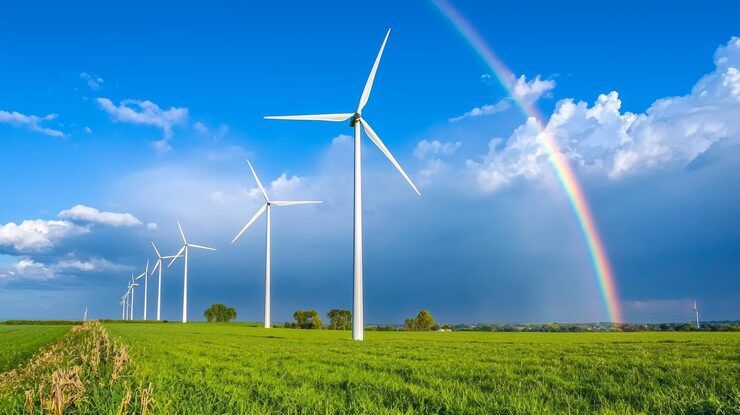
Wind Energy Turbines exist to provide an alternative to traditional energy sources such as coal and oil. They support the transition toward cleaner energy systems by utilizing a natural and renewable resource. This makes them an important component of sustainable energy planning across many regions.
Importance
Wind Energy Turbines are important because they contribute to reducing reliance on fossil fuels. By generating electricity from wind, they help lower greenhouse gas emissions and support cleaner air quality. This is especially relevant in areas facing environmental challenges related to pollution.
Another key aspect is energy diversification. Relying on multiple energy sources helps create a more stable and balanced power system. Wind energy can complement other renewable sources such as solar power, providing electricity at different times based on weather conditions.
Wind Energy Turbines also influence local economies. Their installation and operation require planning, infrastructure development, and ongoing maintenance. This creates opportunities for technical development and knowledge growth within communities.
From a practical perspective, wind energy can be used in both large-scale power generation and smaller, localized systems. Rural areas, for example, may use smaller turbines to support local energy needs. This flexibility makes wind energy suitable for a wide range of applications.
Challenges addressed by Wind Energy Turbines include the need for sustainable energy production, reducing environmental impact, and managing long-term energy demand. They provide a pathway toward more responsible use of natural resources.
Recent Updates
Recent trends in Wind Energy Turbines show ongoing improvements in efficiency and design. Modern turbines are becoming larger and more capable of generating higher amounts of electricity. Taller towers and longer blades allow turbines to capture more wind energy, especially at higher altitudes where wind speeds are stronger.
Another development is the growth of offshore wind projects. Offshore Wind Energy Turbines are installed in bodies of water, where wind conditions are often more consistent. These projects are expanding in many regions and contribute significantly to renewable energy capacity.
Digital technology is also playing a role. Sensors and monitoring systems are used to track turbine performance in real time. Data collected from these systems helps operators optimize energy production and identify maintenance needs early.
Energy storage integration is another emerging trend. Since wind energy production can vary depending on weather conditions, storage systems help balance supply and demand. This ensures more consistent energy availability.
In addition, hybrid energy systems are becoming more common. Wind Energy Turbines are increasingly combined with solar panels and other renewable technologies to create integrated energy solutions. This approach enhances reliability and efficiency.
Laws or Policies
Wind Energy Turbines are influenced by various laws and policies that guide their development and operation. In countries like India, renewable energy policies play a key role in promoting wind power.
Government programs often set targets for renewable energy generation. These targets encourage the installation of Wind Energy Turbines and support the transition to cleaner energy sources. Policies may include incentives for renewable energy projects and guidelines for grid integration.
Environmental regulations are also important. Wind energy projects must follow rules related to land use, wildlife protection, and environmental impact assessments. These regulations ensure that turbine installations are planned responsibly.
There are also technical standards that turbines must meet. These standards relate to safety, performance, and reliability. Compliance with these standards is essential for ensuring that Wind Energy Turbines operate effectively within the power system.
Local policies may affect where turbines can be installed. For example, zoning regulations may define suitable areas for wind farms. These policies help balance energy development with community and environmental considerations.
Tools and Resources
Managing and understanding Wind Energy Turbines involves a variety of tools and resources. These tools support planning, monitoring, and maintenance activities.
Common tools include:
- Wind resource assessment tools, which analyze wind patterns and help determine suitable locations for turbines.
- Simulation software, which models turbine performance under different conditions.
- Monitoring systems, which track energy output, mechanical performance, and environmental factors.
- Maintenance management platforms, which schedule inspections and repairs.
- Data analytics tools, which interpret performance data and support decision-making.
The following table provides an overview of key tools and their uses:
| Tool Type | Main Function | Example Use Case |
|---|---|---|
| Wind Assessment Tools | Analyze wind speed and patterns | Selecting turbine installation sites |
| Simulation Software | Model turbine performance | Predicting energy output |
| Monitoring Systems | Track real-time turbine data | Identifying performance issues |
| Maintenance Platforms | Manage servicing schedules | Planning regular inspections |
| Data Analytics Tools | Interpret operational data | Improving efficiency and reliability |
Educational resources, research publications, and training materials also play a role in helping individuals understand how Wind Energy Turbines function within energy systems.
FAQs
What are Wind Energy Turbines?
Wind Energy Turbines are machines that convert wind energy into electricity by using rotating blades connected to a generator.
How do Wind Energy Turbines work?
Wind Energy Turbines work by capturing the movement of air. The wind turns the blades, which spin a shaft connected to a generator that produces electricity.
Why are Wind Energy Turbines important?
Wind Energy Turbines are important because they provide a renewable source of energy and help reduce dependence on fossil fuels.
Can Wind Energy Turbines operate in all locations?
Wind Energy Turbines require consistent wind speeds to operate effectively. Not all locations are suitable, so careful assessment is needed before installation.
Are Wind Energy Turbines used in hybrid systems?
Yes, Wind Energy Turbines are often combined with other energy sources such as solar power to create hybrid systems that improve energy reliability.
Conclusion
Wind Energy Turbines are a key component of modern green energy systems, offering a renewable way to generate electricity. They support environmental goals, diversify energy sources, and adapt to evolving technological trends. With ongoing advancements in design and digital integration, their role in global energy systems continues to expand. Understanding their function and impact helps provide a clearer view of how sustainable energy solutions are developing.