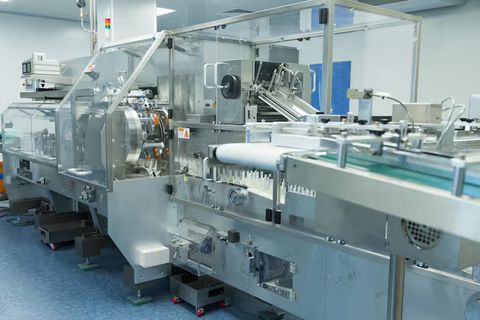
The primary purpose of a welding machine is to melt the base material and often a filler material to form a joint that solidifies into a durable structure. With advancements in industrial automation and fabrication technologies, modern welding machines have become more efficient, precise, and adaptable to complex manufacturing needs.
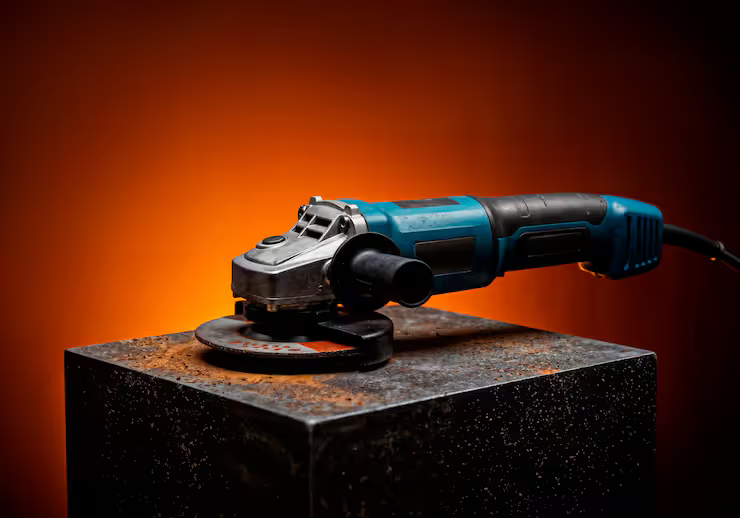
How Welding Machines Work
Welding machines operate by generating heat through electrical energy, gas combustion, or friction. This heat melts the materials at the joint, allowing them to fuse together as they cool.
The working process typically includes:
- Power generation (electric arc, gas flame, or laser)
- Heat concentration at the welding point
- Melting of base metals and filler materials
- Cooling and solidification to form a joint
Different welding techniques use varying heat sources and methods, which influence the strength, appearance, and application of the weld.
Key Components of Welding Machines
Core Components
- Power Source: Converts electrical energy into usable welding current
- Electrode Holder or Torch: Conducts current to the electrode
- Ground Clamp: Completes the electrical circuit
- Control Panel: Allows adjustment of voltage, current, and settings
- Cooling System: Prevents overheating in high-duty operations
- Wire Feeder (in MIG welding): Supplies filler wire continuously
These components work together to ensure stable arcs, consistent heat, and high-quality welds.
Types of Welding Machines
Common Welding Machine Types
-
Arc Welding Machines
Use an electric arc to melt metals. Widely used in construction and repair work. -
MIG Welding Machines (Metal Inert Gas)
Use a continuous wire feed and shielding gas. Suitable for high-speed industrial applications. -
TIG Welding Machines (Tungsten Inert Gas)
Provide precise and clean welds, ideal for thin materials and critical applications. -
Spot Welding Machines
Use pressure and electric current to join metal sheets. Common in automotive assembly. -
Laser Welding Machines
Use concentrated laser beams for high precision and minimal distortion. -
Plasma Arc Welding Machines
Offer controlled and stable arcs for specialized industrial uses.
Table: Comparison of Welding Machine Types
| Welding Type | Heat Source | Precision Level | Typical Use Case | Skill Level Required |
|---|---|---|---|---|
| Arc Welding | Electric Arc | Medium | Construction, repairs | Moderate |
| MIG Welding | Electric Arc + Gas | High | Manufacturing, fabrication | Beginner to Moderate |
| TIG Welding | Electric Arc | Very High | Aerospace, thin metals | Advanced |
| Spot Welding | Resistance Heat | Medium | Automotive assembly | Low to Moderate |
| Laser Welding | Laser Beam | Extremely High | Electronics, precision parts | Advanced |
| Plasma Welding | Plasma Arc | High | Industrial fabrication | Advanced |
Importance of Welding Machines
Welding machines play a critical role in modern infrastructure and manufacturing. Their importance lies in their ability to create strong, permanent joints that ensure structural integrity.
Key benefits include:
- High-strength bonding for load-bearing structures
- Versatility across materials and thicknesses
- Efficiency in mass production environments
- Reduced material waste compared to mechanical fastening
- Support for automated and robotic manufacturing systems
Real-World Applications
Industrial and Commercial Uses
- Construction Industry: Steel frameworks, bridges, pipelines
- Automotive Manufacturing: Body assembly, chassis welding
- Aerospace Engineering: Lightweight and high-strength joints
- Shipbuilding: Hull construction and maintenance
- Energy Sector: Oil pipelines, power plants, renewable installations
Problem Solving Capabilities
- Joining dissimilar metals
- Repairing damaged structures
- Enabling lightweight yet strong designs
- Supporting large-scale fabrication projects
Key Features of Modern Welding Machines
Advanced Capabilities
- Digital Controls for precise parameter adjustment
- Inverter Technology for energy efficiency
- Portable Designs for field operations
- Multi-process Functionality (MIG, TIG, Arc in one unit)
- Safety Features such as thermal overload protection
These features improve productivity, reduce errors, and enhance operator safety.
Recent Trends and Developments (2025–2026)
The welding industry has seen rapid innovation over the past year, driven by automation and sustainability goals.
Notable Trends
-
AI-Powered Welding Systems (2025)
Machines now use artificial intelligence to optimize welding parameters in real time. -
Robotic Welding Integration (2025–2026)
Increased adoption of robotic arms for consistent and high-speed production. -
Green Welding Technologies (2025)
Development of energy-efficient systems with reduced emissions. -
Smart Monitoring Systems (2026)
IoT-enabled welding machines provide real-time performance tracking and predictive maintenance. -
Advanced Materials Compatibility (2025–2026)
Improved welding solutions for composites and lightweight alloys.
These advancements are transforming welding into a more data-driven and automated process.
Regulations and Safety Standards
Welding operations are subject to strict safety and quality regulations to protect workers and ensure reliable outcomes.
Common Standards and Guidelines
- ISO 9606: Qualification of welders
- ISO 3834: Quality requirements for welding
- OSHA Welding Safety Guidelines: Workplace safety practices
- AWS (American Welding Society) Standards: Welding procedures and certifications
Safety Practices
- Use of protective gear (helmets, gloves, aprons)
- Proper ventilation to avoid toxic fumes
- Regular equipment maintenance
- Training and certification for operators
Compliance with these standards is essential for safe and efficient operations.
Tools and Learning Resources
Useful Tools
- Welding simulation software for training
- Digital welding calculators for parameter settings
- Inspection tools such as ultrasonic testers
Learning Resources
- Online technical courses on welding techniques
- Industry certification programs
- Technical manuals and engineering guides
- Virtual training platforms for hands-on practice
These resources help individuals and organizations improve welding skills and knowledge.
Frequently Asked Questions
What is the main purpose of a welding machine?
A welding machine is used to join materials, typically metals, by melting and fusing them to create a strong and permanent bond.
Which welding machine is best for beginners?
MIG welding machines are generally considered suitable for beginners due to their ease of use and consistent results.
What safety precautions are required in welding?
Operators should use protective equipment, ensure proper ventilation, and follow safety standards to prevent injuries and exposure to harmful fumes.
How does TIG welding differ from MIG welding?
TIG welding offers higher precision and cleaner welds, while MIG welding is faster and more suitable for large-scale production.
Are modern welding machines energy efficient?
Yes, many modern machines use inverter technology, which improves energy efficiency and reduces power consumption.
Conclusion
Welding machines are fundamental tools in modern engineering and manufacturing, enabling the creation of strong, reliable structures across multiple industries. With a wide range of types and technologies available, they cater to diverse applications from small repairs to large-scale industrial production.
Recent advancements such as AI integration, robotic automation, and energy-efficient systems have significantly improved welding performance and sustainability. Understanding how welding machines work, their types, and their applications helps individuals and organizations make informed decisions and maintain high standards of safety and quality.