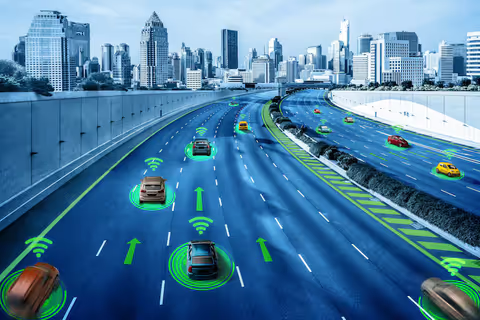
As the automotive industry shifts toward digital transformation, the demand for reliable, scalable, and efficient software systems continues to grow. Manufacturers and developers are focusing on building robust platforms, integrating automation, and improving system performance to meet changing user expectations. Whether it’s enhancing safety, improving user experience, or enabling connectivity, automotive software is driving innovation across the sector.
This article explores the fundamentals of automotive software development, including its importance, key features, practical applications, challenges, and future trends. It aims to provide a clear and user-friendly understanding for anyone interested in this rapidly evolving field.
What is Automotive Software Development?
Automotive software development refers to the process of designing, creating, testing, and maintaining software systems used in vehicles. These systems control various functions such as engine performance, safety mechanisms, navigation, connectivity, and entertainment.
Modern vehicles rely on multiple software-driven systems, often integrated into Electronic Control Units (ECUs). These systems communicate through complex architectures and platforms to ensure smooth and efficient operation.
Automotive software includes:
- Embedded systems controlling hardware components
- Advanced driver assistance systems (ADAS)
- Infotainment and navigation systems
- Vehicle-to-everything (V2X) communication systems
- Autonomous driving technologies
This field combines engineering, automation, and digital technologies to create smarter and safer vehicles.
Benefits and Importance
Automotive software development offers several important benefits that contribute to innovation and efficiency in the automotive industry.
Enhanced Safety
Software systems enable features like collision detection, lane assistance, and automatic braking. These systems help reduce accidents and improve driver awareness.
Improved User Experience
Infotainment platforms, voice controls, and smart interfaces make driving more convenient and enjoyable.
Better Performance and Efficiency
Software optimizes engine performance, fuel efficiency, and energy management in electric vehicles.
Connectivity and Integration
Modern vehicles can connect with smartphones, cloud systems, and other devices, creating a seamless digital ecosystem.
Support for Autonomous Driving
Advanced software solutions are essential for self-driving technologies, enabling vehicles to process data and make real-time decisions.
Key Features and Types of Automotive Software
Embedded Systems
Embedded software controls core vehicle functions such as braking, steering, and engine management. These systems are designed for reliability and real-time performance.
ADAS (Advanced Driver Assistance Systems)
ADAS includes features like adaptive cruise control, parking assistance, and lane departure warnings. These systems rely on sensors, cameras, and intelligent software tools.
Infotainment Systems
These systems provide navigation, media, and connectivity features. They enhance user interaction through touchscreens, voice commands, and mobile integration.
Vehicle Connectivity Platforms
Connectivity platforms enable communication between vehicles, infrastructure, and cloud services. This includes telematics, remote diagnostics, and software updates.
Autonomous Driving Systems
Autonomous systems use artificial intelligence, machine learning, and data processing to enable vehicles to operate with minimal human intervention.
Practical Use Cases and Examples
Smart Parking Assistance
Many modern cars use software-driven parking systems that guide drivers into tight spaces using sensors and cameras.
Over-the-Air Updates
Automotive software platforms allow manufacturers to update vehicle systems remotely, improving performance and adding new features without physical intervention.
Electric Vehicle Management
Software systems in electric vehicles manage battery performance, charging cycles, and energy distribution efficiently.
Fleet Management Systems
Commercial vehicles use software tools for tracking, route optimization, and maintenance monitoring.
Autonomous Driving Testing
Companies are using simulation platforms and real-world testing environments to develop and refine self-driving systems.
Practical Tips and Guide
Focus on Safety Standards
Automotive software must meet strict safety and quality standards. Following industry guidelines ensures reliability and compliance.
Use Scalable Platforms
Choose software platforms that support future updates and integration with new technologies.
Prioritize Testing and Validation
Extensive testing is essential to ensure system stability and performance under different conditions.
Adopt Automation Tools
Automation tools can improve development speed and reduce errors in coding and testing processes.
Ensure Cybersecurity
Protecting vehicle systems from cyber threats is critical. Implement strong security protocols and regular updates.
Collaborate Across Teams
Effective communication between software developers, engineers, and designers leads to better system integration.
Challenges and Limitations
Complexity of Systems
Modern vehicles contain multiple interconnected systems, making software development complex and challenging.
High Safety Requirements
Ensuring software reliability and safety requires extensive testing and validation processes.
Cybersecurity Risks
Connected vehicles are vulnerable to cyber threats, requiring continuous monitoring and protection.
Integration Issues
Combining hardware and software components from different vendors can lead to compatibility challenges.
Rapid Technological Changes
Keeping up with evolving technologies and standards can be demanding for developers and manufacturers.
Future Trends in Automotive Software Development
Growth of Autonomous Vehicles
Self-driving technologies will continue to evolve, driven by advancements in artificial intelligence and machine learning.
Increased Use of Cloud Platforms
Cloud-based systems will enable better data management, real-time updates, and enhanced connectivity.
Expansion of Electric Vehicles
Software will play a key role in optimizing battery performance and energy efficiency in electric vehicles.
Advanced AI Integration
Artificial intelligence will improve decision-making, predictive maintenance, and personalized user experiences.
Software-Defined Vehicles
Future vehicles will rely more on software than hardware, allowing features to be updated and enhanced over time.
Enhanced Connectivity
Vehicle-to-everything (V2X) communication will improve traffic management, safety, and overall driving experience.
Conclusion
Automotive software development is transforming the way vehicles are designed, operated, and experienced. By integrating advanced platforms, intelligent systems, and automation tools, the automotive industry is moving toward a smarter and more connected future.
From improving safety and efficiency to enabling autonomous driving and real-time connectivity, software has become a critical component of modern vehicles. While challenges such as system complexity and cybersecurity remain, continuous innovation and technological advancements are driving progress in this field.