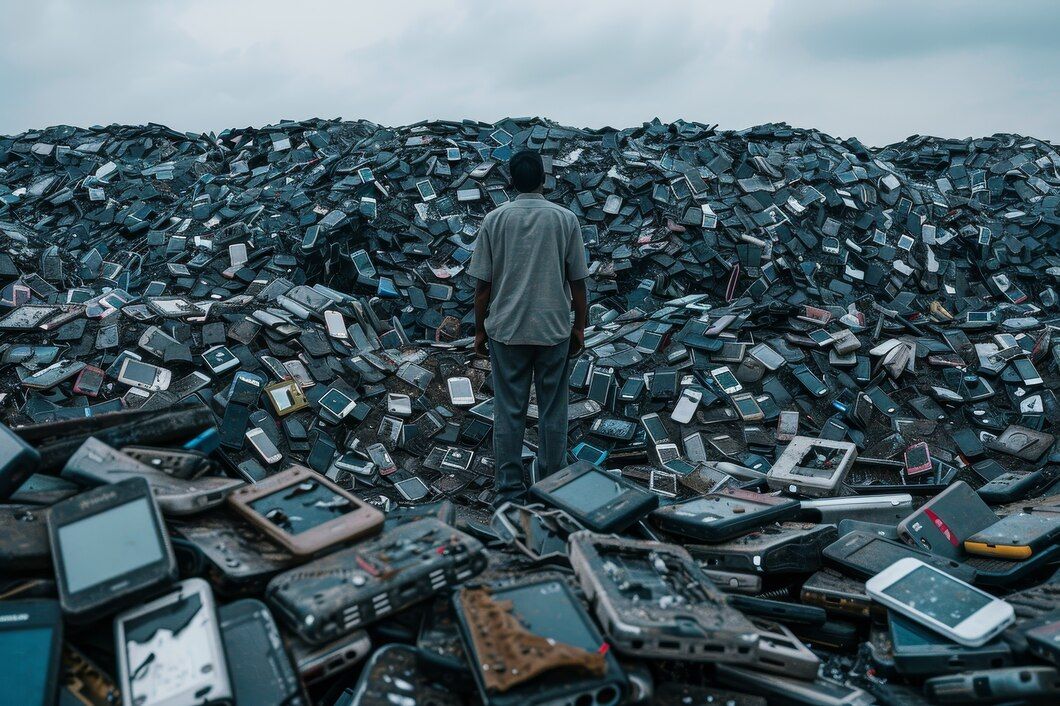
Improper disposal of electronic items can lead to serious pollution problems. Many devices contain harmful materials that can damage soil, water, and air if not handled properly. Because of this, electronic waste management plays a crucial role in protecting the environment and promoting sustainable living for future generations.
What is Electronic Waste Management
Electronic waste management refers to the process of handling, collecting, recycling, and safely disposing of discarded electronic devices. It ensures that outdated or broken gadgets are treated in a way that reduces environmental harm and recovers valuable materials.
In simple terms, it is a system that helps manage old electronics so they do not end up in landfills or harm nature. These electronics may include computers, mobile phones, televisions, batteries, and other digital devices. Instead of being thrown away carelessly, they are processed through organized methods that focus on reuse and material recovery.
Electronic waste management also aims to reduce the pressure on natural resources. Many electronic components contain metals like gold, copper, and aluminum. By managing e-waste properly, these materials can be reused instead of being mined again from the earth.
How Electronic Waste Management Works
The process of electronic waste management begins with the collection of used or damaged electronic items from households, offices, and industries. These items are then transported to designated centers where they are sorted based on type and condition.
Once sorted, the devices are carefully dismantled to separate reusable parts from harmful materials. Valuable components are recovered, while hazardous substances are handled in a controlled environment to prevent environmental damage.
After dismantling, materials like plastic, metal, and glass are processed for recycling. These recycled materials are then used in manufacturing new products, helping reduce the need for fresh raw materials.
Finally, any non-recyclable waste is safely treated or disposed of using environmentally approved methods. This entire process ensures that electronic waste management supports sustainability at every stage.
Key Benefits of Electronic Waste Management
Electronic waste management offers several important benefits for both the environment and society.
- Reduces environmental pollution caused by harmful electronic substances
- Helps recover valuable metals and reusable materials
- Supports conservation of natural resources
- Encourages responsible consumption of electronic devices
- Reduces landfill pressure and land degradation
- Promotes energy savings through recycling processes
- Improves public health by reducing toxic exposure
Practical Examples or Use Cases
| Category | Function | Example Use Case |
|---|---|---|
| Household Electronics | Collection and recycling | Old mobile phones and TVs collected for material recovery |
| Corporate IT Equipment | Secure disposal | Office computers dismantled and data securely removed |
| Manufacturing Industry | Material recovery | Factory scrap electronics processed for metal reuse |
| Consumer Electronics | Refurbishing | Slightly damaged laptops repaired for reuse |
| Battery Waste | Safe treatment | Used batteries processed to prevent chemical leakage |
Tips or Best Practices
- Always separate electronic waste from regular household waste
- Use authorized collection points for proper handling
- Remove personal data before discarding digital devices
- Prefer repair or reuse before replacing electronics
Common Mistakes to Avoid
Many people still dispose of electronic items in regular trash bins, which leads to environmental damage. Another common mistake is ignoring data security before discarding devices, which can lead to privacy risks. Some also store old electronics for too long without proper handling, which increases clutter and reduces recycling efficiency.
Future Trends or Insights
Electronic waste management is expected to evolve rapidly as technology continues to grow. New innovations and global awareness are shaping better systems for handling digital waste.
- Increased use of automated recycling technologies
- Growth of circular economy models in electronics
- Expansion of eco-friendly product design
- Improved tracking systems for electronic waste
- Stronger global regulations for responsible disposal
Frequently Asked Questions (FAQ)
1. What is electronic waste management?
It is the process of collecting, recycling, and safely disposing of used electronic devices to reduce environmental harm.
2. Why is electronic waste harmful?
Because it contains toxic materials that can pollute soil, water, and air if not handled properly.
3. Can electronic waste be recycled?
Yes, many components like metals, plastics, and glass can be recovered and reused.
4. What devices are considered electronic waste?
Items like mobile phones, computers, televisions, batteries, and household appliances.
5. How can individuals support electronic waste management?
By recycling old devices responsibly, repairing instead of replacing, and using authorized collection centers.
Conclusion
Electronic waste management is becoming increasingly important in today’s technology-driven world. As electronic usage continues to grow, responsible handling of discarded devices is essential to protect the environment and conserve natural resources.
By adopting proper management practices, society can reduce pollution, recover valuable materials, and move toward a more sustainable future. Electronic waste management is not just a technical process—it is a necessary step toward building a cleaner and healthier planet for upcoming generations.