The primary purpose of robotic sorting is to improve efficiency, accuracy, and speed while reducing manual labor. By integrating artificial intelligence, machine vision, and sensor technology, robotic sorting systems can process large volumes of items with minimal human intervention.
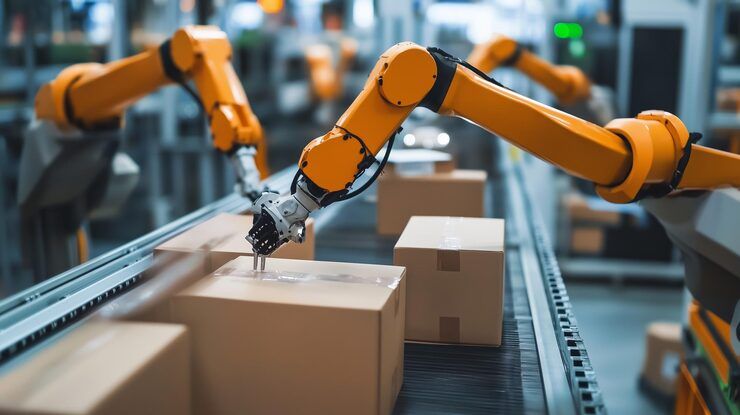
How Robotic Sorting Works
Robotic sorting systems combine hardware and software to perform complex sorting tasks. The process typically involves several stages:
-
Detection and Identification
Cameras, sensors, and machine vision systems capture data about objects such as size, shape, color, barcode, or material type. -
Data Processing and Decision Making
Artificial intelligence and machine learning algorithms analyze the collected data and determine the correct classification. -
Sorting Action
Robotic arms, conveyors, or automated guided vehicles (AGVs) move items to designated locations. -
Feedback and Optimization
Systems continuously learn from data to improve accuracy and efficiency over time.
These systems often operate in real-time, making them suitable for high-speed industrial environments.
Importance of Robotic Sorting
Robotic sorting has become essential in modern industries due to increasing demand for speed, accuracy, and scalability.
- Reduces human error in sorting processes
- Enhances operational efficiency and throughput
- Supports large-scale data-driven decision-making
- Improves workplace safety by minimizing manual handling
- Enables 24/7 operations without fatigue
As industries move toward automation, robotic sorting plays a key role in achieving productivity and consistency.
Real-World Use Cases
Robotic sorting systems are applied across multiple sectors:
-
E-commerce and Logistics
Sorting parcels based on destination, size, or priority in distribution centers. -
Manufacturing
Organizing components on assembly lines for streamlined production. -
Recycling and Waste Management
Identifying and separating materials such as plastics, metals, and paper. -
Food Processing
Sorting fruits, vegetables, or packaged goods based on quality and size. -
Pharmaceutical Industry
Classifying medicines and medical products for packaging and distribution.
These applications demonstrate how robotic sorting supports both efficiency and sustainability.
Key Components of Robotic Sorting Systems
Hardware Components
- Robotic arms and manipulators
- Conveyor belts and automated transport systems
- Sensors and cameras (vision systems)
- Actuators and grippers
Software Components
- Artificial intelligence algorithms
- Machine learning models
- Computer vision software
- Control systems and automation platforms
Integration Elements
- Cloud computing systems
- Internet of Things (IoT) connectivity
- Data analytics tools
Each component works together to ensure accurate and efficient sorting operations.
Types of Robotic Sorting Systems
Rule-Based Sorting Systems
- Operate using predefined logic
- Suitable for simple and repetitive tasks
- Use machine learning for decision-making
- Adapt to new patterns and improve over time
Vision-Guided Sorting Systems
- Rely on cameras and image recognition
- Ideal for complex object identification
- Work alongside humans
- Enhance productivity without full automation
Key Features of Robotic Sorting
Performance Features
- High-speed processing
- Real-time decision-making
- Scalability for large operations
Intelligence Features
- Pattern recognition
- Adaptive learning
- Predictive analytics
Operational Features
- Continuous operation capability
- Integration with existing systems
- Minimal maintenance requirements
Recent Trends and Developments
Robotic sorting technology has evolved significantly in recent years, particularly between 2024 and 2026.
-
AI-Driven Automation (2025)
Advanced deep learning models have improved object recognition accuracy, even in complex environments. -
Edge Computing Integration (2024–2025)
Processing data locally reduces latency and enhances real-time performance. -
Sustainable Sorting Solutions (2025)
Increased focus on recycling automation and waste reduction technologies. -
Autonomous Mobile Robots (AMRs) (2026)
Mobile robots are now used for dynamic sorting and material movement within warehouses. -
Digital Twin Technology (2025–2026)
Virtual simulations help optimize sorting processes before implementation.
These advancements are making robotic sorting more efficient, intelligent, and adaptable.
Regulations and Industry Standards
Robotic sorting systems must comply with various regulations to ensure safety and reliability:
-
ISO 10218
Safety standards for industrial robots -
IEC 61508
Functional safety of electrical systems -
OSHA Guidelines
Workplace safety standards for automation environments -
Data Protection Regulations
Ensure secure handling of data in AI-based systems
Compliance with these standards helps maintain operational safety and system integrity.
Tools, Platforms, and Learning Resources
Popular Tools and Platforms
- AI and machine learning frameworks (TensorFlow, PyTorch)
- Computer vision libraries (OpenCV)
- Industrial automation platforms (PLC systems, SCADA)
- Robotics simulation software
Learning Resources
- Online courses on robotics and automation
- Industrial training programs
- Technical documentation from robotics manufacturers
- Research papers on AI-based sorting systems
These resources support skill development in robotic automation and intelligent systems.
Comparison Table: Robotic Sorting vs Manual Sorting
| Feature | Robotic Sorting | Manual Sorting |
|---|---|---|
| Accuracy | High (AI-driven) | Moderate (human-dependent) |
| Speed | Very high | Limited |
| Scalability | Easily scalable | Difficult to scale |
| Labor Requirement | Low | High |
| Operational Hours | Continuous | Limited |
| Error Rate | Minimal | Higher |
| Safety | Improved | Risk of injury |
Challenges in Robotic Sorting
Despite its advantages, robotic sorting faces some challenges:
- High initial implementation complexity
- Integration with legacy systems
- Requirement for skilled technical knowledge
- Handling irregular or unknown objects
- Data dependency for AI training
Ongoing advancements continue to address these limitations.
FAQs
What is robotic sorting used for?
Robotic sorting is used to automatically classify and organize items in industries such as logistics, manufacturing, recycling, and food processing.
How does AI improve robotic sorting?
AI enhances robotic sorting by enabling systems to recognize patterns, adapt to new data, and make accurate decisions in real time.
Is robotic sorting suitable for small businesses?
It can be adapted for smaller operations, especially with modular and scalable systems, though implementation depends on operational needs.
What industries benefit the most from robotic sorting?
Industries like e-commerce, manufacturing, waste management, and pharmaceuticals benefit significantly due to high-volume processing requirements.
What skills are needed to work with robotic sorting systems?
Knowledge of robotics, automation, AI, machine learning, and industrial control systems is useful for working with these technologies.
Conclusion
Robotic sorting is transforming how industries handle materials and data. By combining artificial intelligence, machine vision, and automation technologies, these systems deliver high accuracy, efficiency, and scalability. From logistics to recycling, robotic sorting addresses key operational challenges and supports modern industrial demands.
As technology continues to evolve, robotic sorting systems are expected to become even more intelligent and accessible. With advancements in AI, edge computing, and automation platforms, they will play a crucial role in shaping the future of smart industries and digital transformation.