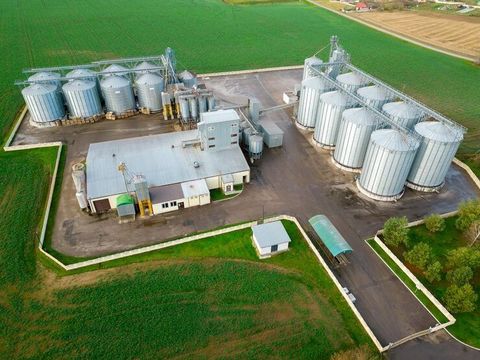
The primary purpose of a pressure vessel is to safely contain pressurized substances while maintaining structural integrity under varying temperature and pressure conditions. Because of the risks associated with high pressure, these vessels are engineered with strict safety standards and precision manufacturing techniques.
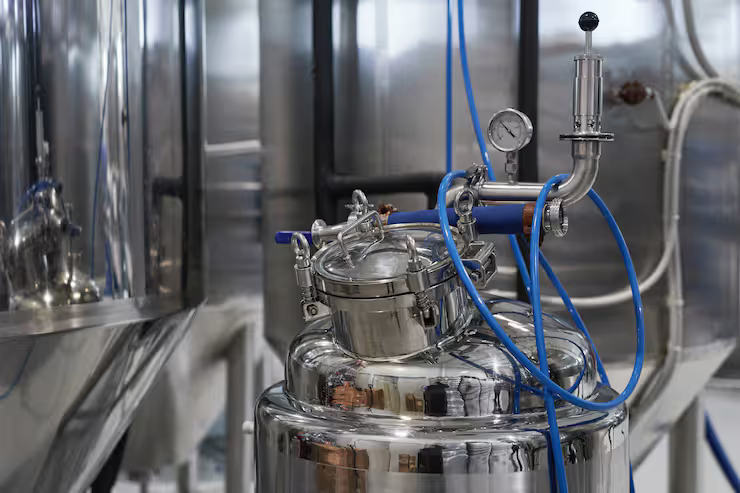
Structure and Working Principles
Pressure vessels operate based on fundamental principles of mechanical engineering and material science. They are designed to withstand internal or external pressure without failure.
Typically, a pressure vessel consists of a cylindrical or spherical shell, as these shapes distribute stress evenly. The internal pressure creates stress along the walls, which must be carefully calculated to prevent rupture or deformation.
The working process involves:
- Filling the vessel with a fluid (gas or liquid)
- Maintaining controlled pressure levels
- Monitoring temperature and stress conditions
- Releasing or transferring contents safely when needed
The design ensures that even under extreme conditions, the vessel performs reliably.
Importance in Modern Industries
Pressure vessels play a critical role in industrial operations where controlled environments are essential. Their importance lies in their ability to safely manage high-pressure processes.
They help:
- Store compressed gases like oxygen, nitrogen, and LPG
- Support chemical reactions under controlled pressure
- Facilitate heat exchange in power plants
- Enable safe transportation of hazardous substances
Without pressure vessels, many industrial processes would be inefficient or unsafe.
Key Components of Pressure Vessels
Shell Pressure Vessels
- The main body that holds the pressure.
- It is usually cylindrical for optimal strength.
- The end closures of the vessel, often hemispherical or elliptical to reduce stress concentration.
- Openings that allow fluid to enter or exit the vessel.
- Structures that hold the vessel in place, such as legs, skirts, or saddles.
- Critical components that release excess pressure to prevent accidents.
- Devices like pressure gauges and temperature sensors used for monitoring conditions.
Types of Pressure Vessels
Pressure vessels are classified based on shape, function, and pressure conditions.
Based on Shape
- Cylindrical vessels
- Spherical vessels
- Conical vessels
Based on Function
- Storage vessels
- Heat exchangers
- Reactors
- Boilers
Based on Pressure
- Low-pressure vessels
- Medium-pressure vessels
- High-pressure vessels
Each type is designed for specific industrial requirements and operational conditions.
Materials Used in Manufacturing
Material selection is critical to ensure durability, corrosion resistance, and safety.
Common materials
- Carbon steel for general applications
- Stainless steel for corrosion resistance
- Alloy steel for high-temperature environments
- Composite materials for lightweight and high-strength applications
The choice depends on factors such as pressure level, temperature, and chemical exposure.
Table: Comparison of Common Pressure Vessel Types
| Type | Shape | Typical Use Case | Pressure Range |
|---|---|---|---|
| Storage Vessel | Cylindrical | Gas and liquid storage | Low to Medium |
| Spherical Vessel | Spherical | Large-scale gas storage | High |
| Heat Exchanger | Cylindrical | Thermal energy transfer | Medium |
| Reactor Vessel | Cylindrical | Chemical processing | Medium to High |
| Boiler | Cylindrical | Steam generation | High |
Safety and Engineering Standards
Due to the risks associated with pressure systems, strict regulations govern the design and operation of pressure vessels.
Key standards
- ASME Boiler and Pressure Vessel Code (widely used globally)
- ISO standards for international compliance
- PED (Pressure Equipment Directive) in Europe
These standards define
- Design calculations
- Material requirements
- Inspection procedures
- Testing methods
Regular inspection and certification are essential to ensure ongoing safety.
Real-World Applications
Pressure vessels are used across a wide range of industries.
Common applications
- Oil refineries for processing crude oil
- Power plants for steam generation
- Chemical plants for reactions and storage
- Food processing for pasteurization and sterilization
- Pharmaceutical industries for controlled production environments
Their versatility makes them indispensable in modern infrastructure.
Recent Trends and Developments (2025–2026)
The pressure vessel industry has seen significant advancements in the past year, driven by automation, sustainability, and digital monitoring.
Key developments
- Smart Monitoring Systems (2025): Integration of IoT sensors for real-time pressure and temperature tracking
- Advanced Composite Materials (2025–2026): Increased use of fiber-reinforced polymers for lightweight durability
- AI-Based Predictive Maintenance (2026): Machine learning models predicting failures before they occur
- Green Hydrogen Storage (2025): Development of high-pressure vessels for hydrogen energy systems
- Additive Manufacturing (2026): Use of 3D printing for complex vessel components
These innovations improve efficiency, safety, and environmental performance.
Regulations and Compliance
Pressure vessels must comply with strict legal frameworks to ensure public and industrial safety.
Important aspects
- Mandatory design approval by certified engineers
- Periodic inspection and testing
- Documentation and traceability of materials
- Compliance with national safety laws
In India, regulations are guided by the Indian Boiler Regulations (IBR), which align with global safety practices.
Tools and Learning Resources
Professionals and learners can explore various tools and platforms to understand pressure vessel design and operation.
Useful Tools
- CAD software for design modeling
- Finite Element Analysis (FEA) tools for stress analysis
- Simulation software for thermal and pressure behavior
Learning Resources
- Engineering textbooks on mechanical design
- Online courses in industrial engineering
- Technical standards documentation (ASME, ISO)
- Industry webinars and training programs
These resources help build expertise in pressure vessel technology.
FAQs
What is a pressure vessel used for?
A pressure vessel is used to store or process fluids under high pressure safely, commonly in industrial and energy sectors.
Why are spherical pressure vessels preferred for gas storage?
Spherical shapes distribute stress evenly, making them ideal for high-pressure gas storage.
What happens if a pressure vessel fails?
Failure can result in explosions or leaks, which is why strict safety standards and regular inspections are essential.
How often should pressure vessels be inspected?
Inspection frequency depends on regulations and usage but is typically conducted annually or as specified by safety codes.
What industries rely most on pressure vessels?
Industries such as oil and gas, power generation, chemical processing, and pharmaceuticals heavily depend on pressure vessels.
Conclusion
Pressure vessels are fundamental components in modern industrial systems, enabling safe storage and processing of pressurized substances. Their design combines advanced engineering principles with strict safety standards to ensure reliability under demanding conditions.
With ongoing innovations such as smart monitoring, advanced materials, and sustainable energy applications, pressure vessels continue to evolve. Understanding their structure, function, and regulatory requirements is essential for professionals and learners in engineering and industrial fields.