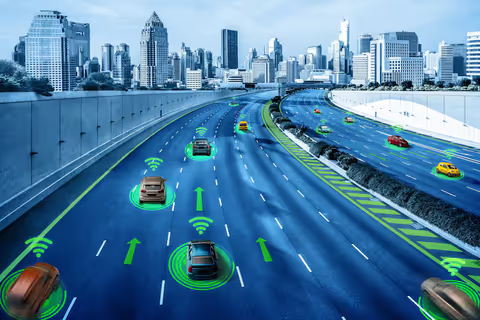
Historically, fleet operations relied entirely on fuel-powered vehicles. However, as environmental awareness increased and technology improved, hybrid vehicles became a practical alternative. These vehicles use both internal combustion engines and electric motors, allowing operators to reduce fuel consumption while maintaining operational flexibility.
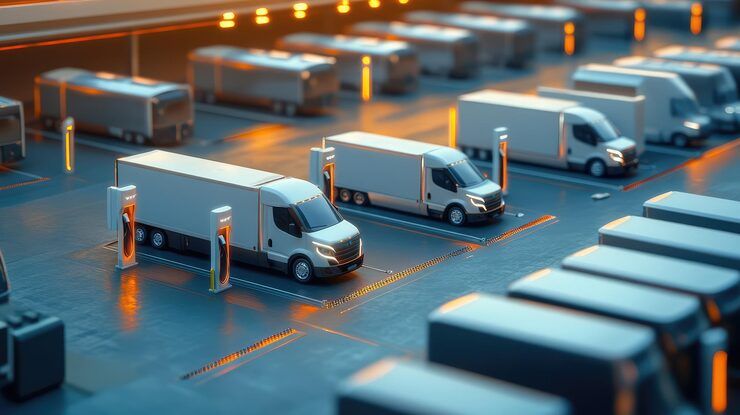
Hybrid Fleet Management exists to help organizations manage this transition effectively. It involves planning routes, monitoring energy use, maintaining vehicles, and analyzing data to ensure smooth operations across different vehicle types. The goal is to create a balanced system that meets operational needs while adapting to changing energy trends.
Importance
Hybrid Fleet Management plays a significant role in modern transportation systems. It affects businesses, public transport systems, logistics providers, and government agencies that rely on vehicle fleets for daily operations.
One key reason it matters is efficiency. By combining fuel and electric vehicles, fleets can adapt to different driving conditions. For example, electric power may be used in urban areas with frequent stops, while fuel engines may support longer highway travel.
Another important factor is environmental impact. Hybrid fleets can reduce emissions compared to fully fuel-based fleets. This helps address concerns related to air quality and climate change, especially in densely populated areas.
Hybrid Fleet Management also improves operational planning. With the use of tracking systems and data analysis, fleet operators can monitor vehicle performance, fuel usage, and maintenance needs. This leads to more informed decision-making.
Challenges addressed by this approach include rising fuel consumption, the need for sustainable practices, and the complexity of managing different vehicle technologies. It also supports long-term planning as organizations gradually transition toward more advanced mobility systems.
Recent Updates
Recent developments in Hybrid Fleet Management reflect broader trends in transportation and technology. One noticeable trend is the increased integration of digital tools such as telematics and real-time monitoring systems. These tools allow fleet operators to track vehicle performance and energy usage more accurately.
Another development is the growing use of artificial intelligence in fleet operations. AI-based systems can analyze driving patterns, predict maintenance needs, and suggest optimized routes. This helps improve efficiency without requiring constant manual oversight.
Battery technology has also seen improvements. Hybrid vehicles now have more reliable and efficient battery systems, which extend their usability and reduce dependency on fuel. This supports smoother operation within hybrid fleets.
Additionally, many organizations are adopting mixed fleet strategies. Instead of replacing all vehicles at once, they gradually introduce hybrid or electric vehicles into existing fleets. This phased approach allows for better adaptation and resource management.
Sustainability reporting has become more common as well. Organizations increasingly track and report emissions data, energy consumption, and environmental impact. Hybrid Fleet Management systems often include tools to support this reporting.
Laws or Policies
Hybrid Fleet Management is influenced by various laws and policies, especially in countries like India where transportation and environmental regulations are evolving.
Government initiatives often encourage the adoption of cleaner vehicle technologies. Policies may include guidelines for emission standards, incentives for electric and hybrid vehicles, and targets for reducing carbon output. These measures shape how fleets are managed and upgraded.
In India, programs such as national electric mobility initiatives promote the use of hybrid and electric vehicles. These programs aim to reduce pollution and dependence on fossil fuels. Fleet operators may align their strategies with these national goals.
There are also regulations related to vehicle safety and maintenance. Hybrid fleets must comply with standard vehicle safety rules as well as additional requirements related to battery systems and electrical components.
Urban policies can also influence fleet operations. For example, some cities implement restrictions on high-emission vehicles or encourage low-emission zones. Hybrid Fleet Management helps organizations adapt to these rules by using appropriate vehicles in specific areas.
Data protection laws may apply as well, especially when using digital fleet management tools. These laws ensure that information collected through tracking systems is handled responsibly.
Tools and Resources
Hybrid Fleet Management relies on a variety of tools and resources to support efficient operations. These tools help monitor performance, manage routes, and maintain vehicles.
Common tools include:
- Fleet management software platforms, which track vehicle location, fuel usage, and maintenance schedules.
- Telematics systems, which collect real-time data from vehicles and provide insights into driving behavior and performance.
- Energy management dashboards, which monitor battery levels, charging patterns, and fuel consumption.
- Route optimization tools, which analyze traffic conditions and suggest efficient travel paths.
- Maintenance tracking systems, which schedule regular checks and predict potential issues based on data.
The following table highlights key tools and their functions:
| Tool Type | Main Function | Example Use Case |
|---|---|---|
| Fleet Management Software | Centralized vehicle monitoring | Tracking multiple vehicles in real time |
| Telematics Systems | Data collection from vehicles | Monitoring speed and driving patterns |
| Energy Dashboards | Energy usage tracking | Comparing fuel and electric consumption |
| Route Optimization Tools | Travel planning | Reducing travel time and fuel usage |
| Maintenance Systems | Vehicle health monitoring | Scheduling regular servicing |
In addition to these tools, training materials and guidelines help operators understand how to manage hybrid fleets effectively. Educational resources often explain how to balance fuel and electric usage, maintain vehicles, and interpret data.
FAQs
What is Hybrid Fleet Management?
Hybrid Fleet Management is the process of managing a group of vehicles that includes both fuel-powered and hybrid or electric vehicles. It involves monitoring performance, planning routes, and maintaining different vehicle types within a single system.
How does Hybrid Fleet Management improve efficiency?
Hybrid Fleet Management improves efficiency by allowing operators to use the most suitable energy source for different driving conditions. It also uses data tools to optimize routes and reduce unnecessary energy use.
Why is Hybrid Fleet Management important for sustainability?
Hybrid Fleet Management supports sustainability by reducing fuel consumption and lowering emissions. By combining electric and fuel technologies, it helps minimize environmental impact while maintaining operational flexibility.
What tools are used in Hybrid Fleet Management?
Common tools include fleet management software, telematics systems, energy dashboards, and route optimization platforms. These tools help track performance and improve decision-making.
Is Hybrid Fleet Management suitable for small fleets?
Yes, Hybrid Fleet Management can be applied to both small and large fleets. Even a few hybrid vehicles can be managed effectively using basic tracking and planning tools.
Conclusion
Hybrid Fleet Management represents a practical approach to modern transportation challenges by combining traditional and emerging vehicle technologies. It supports efficient operations, reduces environmental impact, and enables better planning through data-driven tools. As transportation systems continue to evolve, this approach helps organizations adapt to changing energy and regulatory landscapes. Understanding its key strategies provides a foundation for managing mixed vehicle fleets in a structured and informed way.