If you’ve ever wondered how concrete blocks are made so efficiently, this guide breaks it down in a simple and practical way.
In this article, you’ll learn how different types of machines work, what makes them useful, and what to consider when understanding their applications.
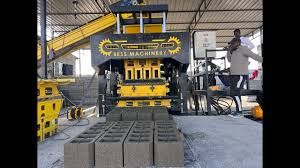
Understanding Concrete Block Making Machines
Concrete block making machines are designed to shape and compress a mix of cement, sand, aggregates, and water into solid blocks. These blocks are widely used in construction due to their durability and uniformity.
A block making machine can produce various types of blocks, including solid blocks, hollow blocks, and even decorative bricks. The level of automation varies depending on the machine type, but the goal remains the same—consistent output with minimal variation.
These machines are commonly used in:
- Residential construction
- Commercial building projects
- Road and pavement work
- Infrastructure development
The demand for concrete block machine solutions has grown as construction methods shift toward efficiency and precision.
Types of Block Making Machines
There are several types of machines available, each suited for different production needs. Understanding these categories helps you see how they fit into various construction workflows.
| Machine Type | Key Feature | Common Use Case |
|---|---|---|
| Manual Block Machine | Operated by hand | Small-scale projects |
| Semi-Automatic Block Machine | Combines manual and automated steps | Medium production environments |
| Fully Automatic Machine | Fully automated process | Large-scale industrial production |
| Hollow Block Machine | Creates blocks with cavities | Lightweight construction materials |
| Concrete Brick Making Machine | Produces bricks instead of blocks | Decorative and structural use |
Each type of cement block making machine offers different levels of control and output, making them adaptable for various project sizes.
How Concrete Block Machines Work
The working process of a concrete block machine is fairly straightforward but highly efficient. It involves mixing, molding, and curing.
The Basic Process
-
Mixing Raw Materials
Cement, sand, aggregates, and water are blended to create a uniform mixture. -
Feeding the Machine
The mixture is loaded into the machine’s hopper. -
Molding and Compression
The machine uses molds and vibration to shape and compact the material into blocks. -
Demolding
The formed blocks are removed from the mold. -
Curing
Blocks are left to cure and gain strength over time.
This process is repeated continuously, especially in automated systems, making production fast and reliable.
Importance of Automation
Automation has transformed how block machines operate. A modern cement block machine can handle tasks like material feeding, vibration, and block removal with minimal human involvement.
Key benefits of automation include:
- Consistent block size and shape
- Reduced manual effort
- Improved production speed
- Better quality control
Machines like the zenith block machine are known for advanced automation and precision engineering, though the overall concept remains similar across brands.
Key Features to Consider
When learning about concrete block making machines, it’s important to focus on features that influence performance and output quality.
Production Capacity
Different machines produce different quantities of blocks per cycle. Fully automated systems typically offer higher output compared to manual or semi-automatic machines.
Block Variety
A good concrete brick making machine can handle multiple mold types. This allows the production of:
- Hollow blocks
- Solid blocks
- Interlocking bricks
- Paving stones
This flexibility makes machines more versatile across projects.
Material Compatibility
Machines are designed to work with standard raw materials, but some may handle alternative materials more efficiently. Consistency in the mix is essential for strong blocks.
Durability and Build Quality
Since these machines operate under pressure and vibration, strong construction is essential. A reliable hollow block making machine should withstand continuous use without frequent breakdowns.
Common Applications of Block Machines
Concrete block machines are used across different sectors. Their adaptability makes them suitable for a wide range of construction needs.
Residential Construction
Blocks are commonly used for walls, foundations, and boundary structures. Their uniform size helps speed up construction.
Commercial Projects
Office buildings, warehouses, and retail spaces rely on strong and durable blocks. A concrete block machine ensures consistent supply for large-scale builds.
Infrastructure Development
Roads, drainage systems, and public facilities often use concrete blocks. Hollow block machine technology is especially useful for reducing weight while maintaining strength.
Landscaping and Decorative Work
Concrete brick making machine systems can produce aesthetically designed blocks and pavers. These are often used in gardens, pathways, and outdoor spaces.
Advantages of Using Block Making Machines
The use of block machines has reshaped construction practices. Instead of relying on traditional methods, modern machines offer clear advantages.
Consistency and Precision
Every block produced is uniform in size and shape. This reduces errors during construction and improves structural stability.
Efficiency in Production
Machines can produce blocks at a much faster rate compared to manual methods. This is especially important for large projects.
Reduced Material Waste
Controlled mixing and molding help minimize waste. This makes the process more resource-efficient.
Flexibility in Design
With interchangeable molds, a cement block making machine can create various block designs, meeting different architectural needs.
Tips for Better Understanding and Usage
If you’re exploring block machines for knowledge or research, keeping a few practical points in mind can help you better understand their role.
Choose the Right Machine Type
Different projects require different machines. A manual block machine may be suitable for small-scale use, while automated systems are better for larger operations.
Focus on Quality of Output
The strength and durability of blocks depend on proper mixing and curing. Machines alone cannot ensure quality without the right process.
Maintain Consistency in Materials
Using the same mix ratio ensures uniform blocks. Variations in materials can affect strength and appearance.
Regular Maintenance Matters
Even the most advanced block machine requires regular inspection and upkeep to maintain performance.
Future Trends in Block Making Technology
The construction industry continues to evolve, and block making machines are no exception. New trends are shaping how these machines operate.
Increased Automation
Automation is becoming more advanced, reducing the need for manual intervention even further.
Eco-Friendly Production
Manufacturers are exploring ways to reduce environmental impact by using alternative materials and energy-efficient processes.
Smart Machine Integration
Some machines are now equipped with digital controls and monitoring systems, allowing better control over production.
Customization and Versatility
Future machines are expected to offer even greater flexibility in block design and size.
Conclusion
Concrete block making machines have become an essential part of modern construction. From small manual setups to fully automated systems, these machines offer efficiency, consistency, and flexibility.
Understanding how a block making machine works helps you appreciate its role in building strong and reliable structures. Whether it’s a hollow block machine for lightweight construction or a concrete brick making machine for decorative purposes, each type serves a specific need.
By focusing on proper usage, material consistency, and maintenance, these machines can deliver dependable results across various applications. As technology continues to evolve, their role in construction is only expected to grow.