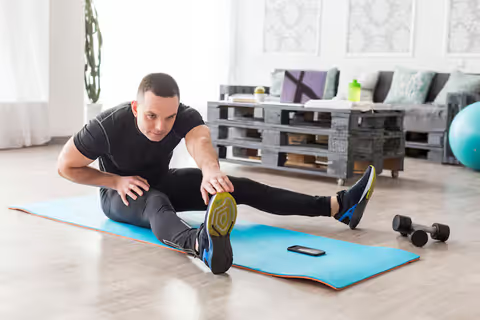
Whether you’re an athlete, someone recovering from an injury, or just trying to stay active, balance training exercises can make a huge difference in your daily life.
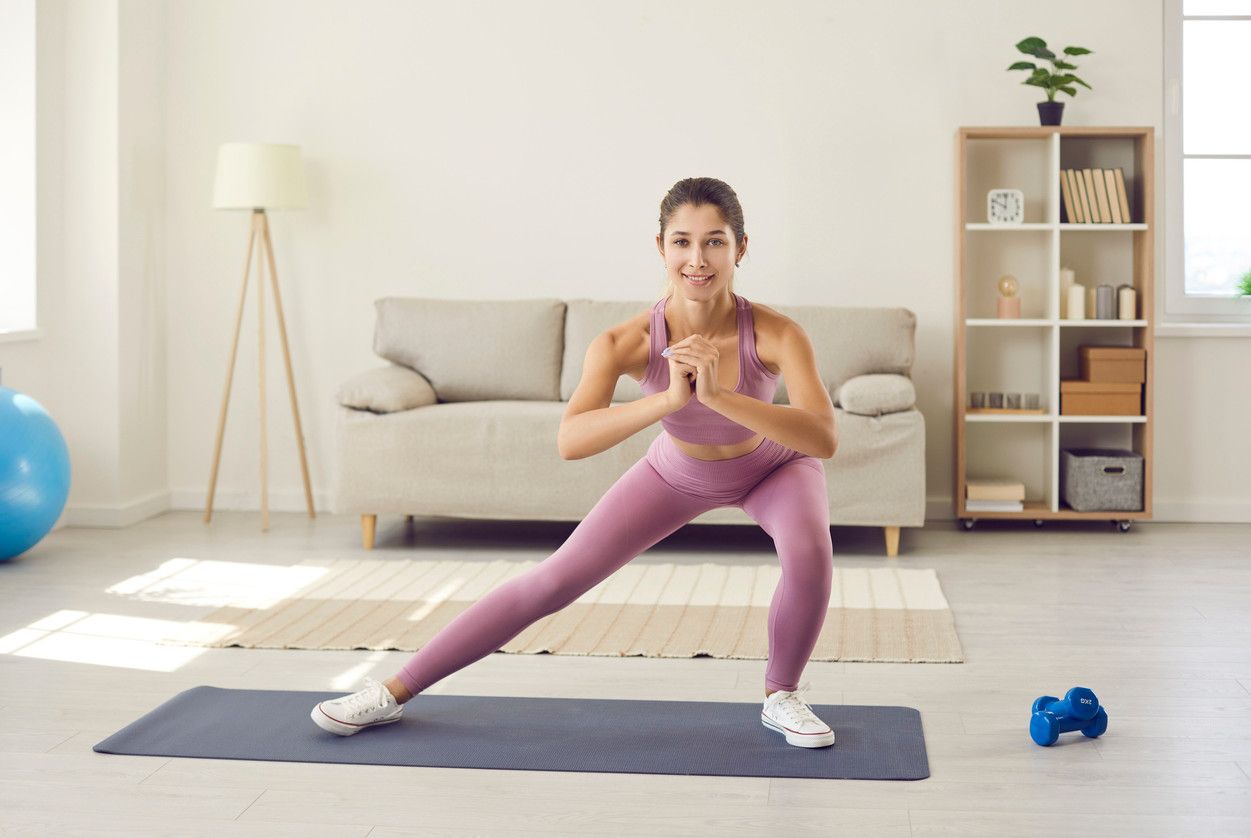
Good balance helps you move better, prevent injuries, and build overall strength. It’s not just about standing on one leg. It’s about training your body and mind to work together smoothly.
In this guide, you’ll learn how balance training works, who it helps, and how to include it in your routine without overcomplicating things.
What Are Balance Training Exercises?
Balance training exercises are movements designed to improve stability, coordination, and control. These exercises challenge your body to maintain posture while moving or staying still.
They engage key muscle groups like your core, legs, and stabilizer muscles. At the same time, they improve how your brain communicates with your body.
You don’t need a gym or complicated setup. Even simple movements done consistently can bring noticeable improvement.
Why Balance Training Matters
Balance is a foundation for almost every physical activity. From walking and running to lifting and stretching, your body relies on stability.
Injury Prevention
Poor balance increases the risk of falls and joint injuries. Stability and balance training workouts strengthen muscles that protect your joints.
Better Athletic Performance
For athletes, balance training for athletes is essential. It improves agility, reaction time, and control during movement.
Improved Daily Function
Simple tasks like climbing stairs or carrying groceries become easier when your balance improves.
Support for Recovery
Balance training for rehabilitation helps rebuild strength and coordination after injuries or surgeries.
Types of Balance Training Programs
Not all balance training programs are the same. Your approach depends on your fitness level and goals.
Beginner Programs
These focus on simple movements like standing on one leg or shifting weight. They are perfect for those just starting out.
Intermediate Programs
These include dynamic movements such as lunges, step-ups, and controlled instability exercises.
Advanced Programs
Advanced balance training programs involve unstable surfaces, complex movements, and coordination drills.
Personalized Training Plans
Some people prefer guidance through balance training personal trainer services or expert balance training consultation. These tailored plans help target specific needs like recovery or performance.
Best Balance Training Exercises
Here are some practical exercises you can try at home or in a fitness space.
Single-Leg Stand
Stand on one leg for 20–30 seconds. Switch sides.
This simple move improves basic stability.
Heel-to-Toe Walk
Walk in a straight line placing one foot directly in front of the other.
This helps improve coordination and control.
Balance Board Training
Using balance training equipment like a wobble board adds challenge and strengthens stabilizer muscles.
Stability Ball Exercises
Sit or perform movements on a stability ball to engage your core and improve balance.
Tree Pose
A common yoga pose that builds strength and focus. It’s widely used in balance training for yoga and fitness routines.
Stability and Balance Training Workouts
A structured workout helps you stay consistent and see results faster.
Sample Beginner Workout
- Single-leg stand: 3 sets each side
- Heel-to-toe walk: 2 rounds
- Seated stability ball balance: 3 minutes
Sample Intermediate Workout
- Lunges with balance hold: 10 reps each leg
- Balance board training: 2–3 minutes
- Standing knee lifts: 12 reps
Sample Advanced Workout
- Single-leg deadlifts
- Bosu ball squats
- Dynamic jump balance drills
These stability and balance training workouts can be adjusted based on your comfort level.
Balance Training for Different Needs
Balance training is not one-size-fits-all. Different groups benefit in different ways.
Balance Training for Athletes
Athletes rely heavily on control and coordination. Balance training for athletes improves performance in sports like football, tennis, and running.
It enhances body awareness and reduces the risk of injuries during high-speed movements.
Balance Training for Rehabilitation
After an injury, your body needs to relearn stability. Balance training for rehabilitation focuses on gentle, controlled movements.
It helps rebuild strength and restore confidence in movement.
Balance Training Exercises for Elderly
As people age, balance naturally declines. Balance training exercises for elderly individuals focus on safety and gradual improvement.
Simple exercises like chair-supported standing or slow walking drills can reduce fall risk.
Balance Training for Yoga and Fitness
Yoga naturally includes many balance-based poses. Combining yoga with balance improvement exercises enhances flexibility and strength.
Fitness routines that include balance elements also improve posture and coordination.
Balance Improvement Exercises You Can Do Anywhere
You don’t need special equipment to improve balance. Here are some easy exercises:
- Stand on one leg while brushing your teeth
- Walk barefoot on different surfaces
- Practice slow, controlled movements during daily activities
These small habits can significantly improve your stability over time.
Using Balance Training Apps and Tools
Technology can make balance training more engaging and structured.
Balance training apps and tools often include guided workouts, progress tracking, and reminders. They help you stay consistent and motivated.
Some apps use motion tracking to give feedback on your posture and movement. This can be helpful for beginners who need guidance.
Choosing the Right Balance Training Equipment
While bodyweight exercises are effective, adding equipment can increase the challenge.
Common Equipment Options
- Balance boards
- Stability balls
- Resistance bands
- Bosu balls
Balance training equipment helps target specific muscles and adds variety to your routine.
When to Use Equipment
Start with basic exercises first. Once you feel comfortable, introduce equipment gradually.
Using too much complexity too soon can reduce effectiveness and increase risk of injury.
Tips for Effective Balance Training
Consistency matters more than intensity when it comes to balance training.
Start Slow
Begin with simple exercises and build up gradually. Rushing can lead to poor form.
Focus on Form
Good posture and controlled movement are key. Quality always beats quantity.
Use Support When Needed
Hold onto a wall or chair if you feel unstable. This keeps you safe while learning.
Train Regularly
Even 10–15 minutes a day can bring noticeable improvements.
Mix It Up
Combine different exercises to keep your routine interesting and effective.
Common Mistakes to Avoid
Many people make small mistakes that slow down progress.
Skipping Warm-Up
Cold muscles are less responsive. A quick warm-up prepares your body.
Ignoring Core Strength
Your core plays a major role in balance. Weak core muscles limit progress.
Doing Too Much Too Soon
Advanced exercises may look appealing, but starting there can lead to frustration or injury.
Inconsistency
Balance improves with regular practice. Skipping sessions slows progress.
Real-Life Example: How Balance Training Helps
Imagine someone recovering from a minor ankle injury. At first, even standing on one leg feels difficult.
With consistent balance training for rehabilitation, they slowly regain strength. After a few weeks, they can walk confidently without discomfort.
Athletes experience similar benefits. A runner who adds stability and balance training workouts may notice better stride control and fewer injuries.
When to Consider Expert Guidance
Sometimes, professional input can make a big difference.
Expert balance training consultation helps identify weaknesses and create a targeted plan.
This is especially useful for athletes, older adults, or individuals recovering from injuries.
Guided training ensures proper technique and steady progress.
Final Thoughts
Balance is more than just staying upright. It’s about control, strength, and confidence in movement.
Balance training exercises are simple to start but powerful in impact. Whether you’re improving fitness, recovering from an injury, or aiming for better performance, balance training has something to offer.
Start small, stay consistent, and focus on quality movement. Over time, you’ll notice better stability, improved coordination, and greater confidence in your daily activities.
Disclaimer: The information provided in this article is for informational purposes only. We do not make any claims or guarantees regarding the accuracy, reliability, or completeness of the information presented. The content is not intended as professional advice and should not be relied upon as such. Readers are encouraged to conduct their own research and consult with appropriate professionals before making any decisions based on the information provided in this article