From smart cities to connected healthcare, the impact is huge. But with this growth comes a serious concern—security.
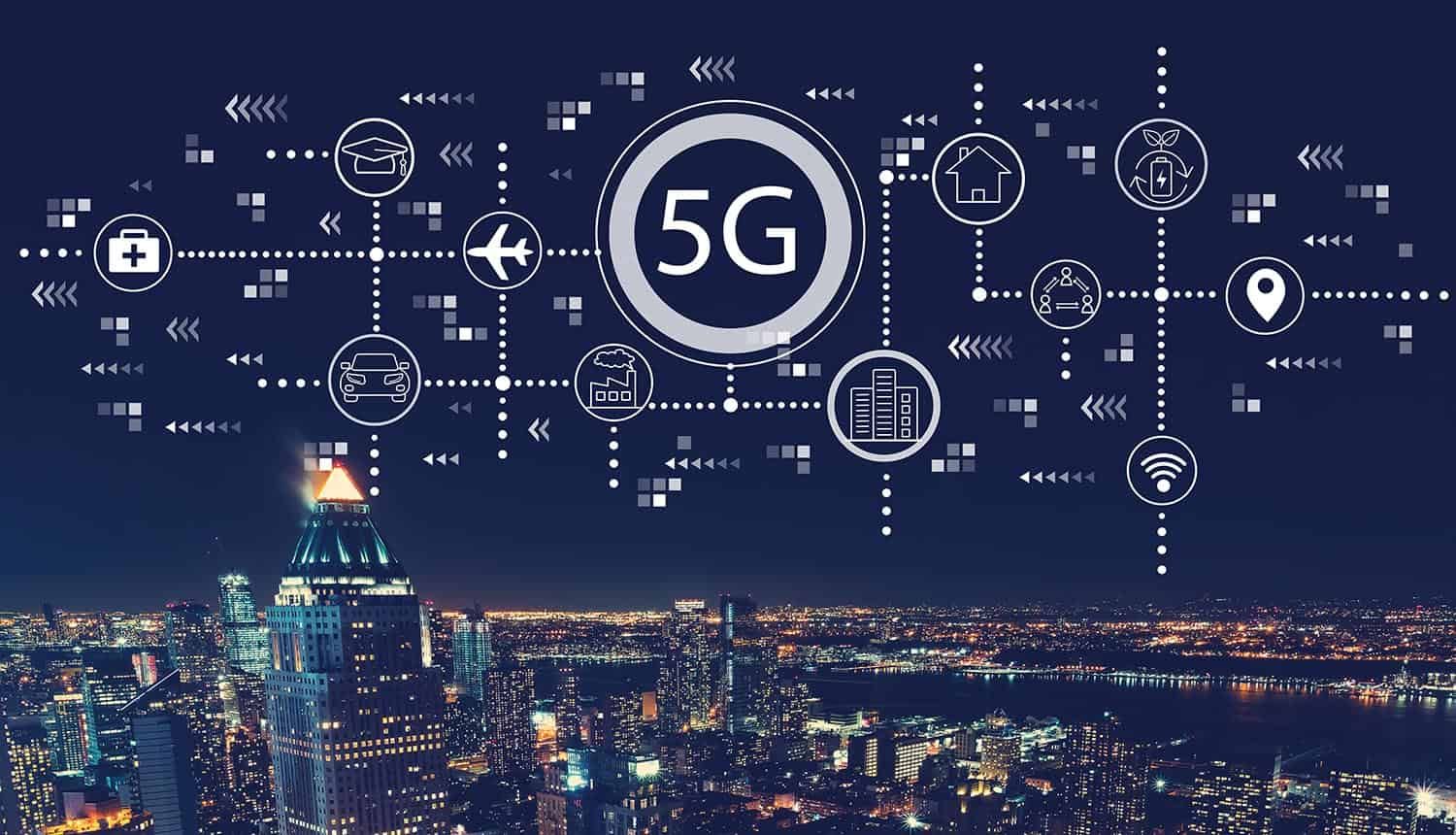
5G network security is not just an upgrade from older networks. It introduces new risks, new entry points, and more complex systems. Understanding these challenges is the first step toward protecting data, devices, and businesses.
This guide breaks everything down in simple terms. You’ll learn about key risks, practical tips, and insights into modern 5G cybersecurity solutions.
What Makes 5G Security Different
5G is not just faster 4G. It uses a completely different architecture. That means the security model also changes.
More Connected Devices
5G supports billions of devices. Think smart homes, industrial sensors, and connected vehicles. Each device is a potential entry point. This is why 5G security for IoT devices is a major focus.
Network Virtualization
5G relies heavily on virtual networks. Instead of fixed hardware, many functions run as software. This flexibility is powerful, but it also increases the need for strong 5G network security software.
Network Slicing
Network slicing allows multiple virtual networks to run on a single infrastructure. Each slice can serve a different purpose, like healthcare or entertainment. If one slice is compromised, it could affect others without proper isolation.
Major Risks in 5G Networks
Understanding risks helps you prepare better. Here are the most common threats in 5G environments.
Expanded Attack Surface
With more devices and connections, attackers have more ways to enter a network. Even a small IoT device can become a weak point.
Data Privacy Concerns
5G enables faster data transfer. But faster data also means quicker exposure if security fails. This is where 5G data security solutions play a key role.
Supply Chain Risks
5G infrastructure involves multiple vendors. If any part of the supply chain is compromised, it can impact the entire network.
Software-Based Vulnerabilities
Since 5G depends on software-driven systems, bugs or misconfigurations can lead to serious issues. Regular updates and monitoring become critical.
Edge Computing Risks
5G pushes data processing closer to the user through edge computing. While this reduces latency, it also creates new points that need protection.
Core Components of 5G Cybersecurity Solutions
To handle these risks, modern systems use layered protection. Let’s look at the essential components.
Identity and Access Management
Every device and user must be verified. Strong authentication ensures only authorized access to the network.
Encryption and Data Protection
Sensitive data should always be encrypted. This protects information even if it is intercepted.
Network Security Analytics Tools
Advanced analytics tools monitor traffic patterns and detect unusual behavior. These tools help identify threats early.
AI and Automation
Artificial intelligence helps analyze large amounts of data quickly. It can detect anomalies that humans might miss.
Security Monitoring Systems
5G security monitoring systems track network activity in real time. They provide alerts when something suspicious happens.
Enterprise 5G Security Solutions
Businesses are among the biggest users of 5G. From manufacturing to finance, secure connectivity is essential.
Private 5G Networks
Many organizations are setting up private 5G networks. These give better control over security and performance.
Zero Trust Architecture
This approach assumes no user or device is trusted by default. Every request is verified, reducing the risk of internal threats.
Integration with Existing Systems
Enterprise 5G security solutions often integrate with current IT infrastructure. This ensures a seamless and secure transition.
Compliance and Regulations
Organizations must follow strict rules. 5G security compliance solutions help ensure that data protection standards are met.
5G Security for IoT Devices
IoT devices are everywhere. From smart thermostats to industrial machines, they play a big role in 5G networks.
Why IoT Devices Are Risky
Many IoT devices have limited security features. Weak passwords and outdated software make them easy targets.
Best Practices for IoT Security
Keep device software updated
Use strong authentication methods
Segment IoT devices from main networks
Monitor device behavior regularly
Real-Life Example
Imagine a smart factory using connected sensors. If one sensor is compromised, it could send false data or disrupt operations. Proper 5G security monitoring systems can detect such anomalies early.
Choosing the Right 5G Security Solutions Providers
Not all solutions are the same. Choosing the right approach depends on your needs.
What to Look For
Scalability to handle growing networks
Strong encryption standards
Real-time monitoring capabilities
Compatibility with existing systems
Importance of Expert Guidance
Expert 5G security consultation services can help identify risks and design a secure setup. This is especially useful for businesses new to 5G environments.
5G Cybersecurity Platform Comparison
With many tools available, comparing platforms helps in making better decisions.
Key Comparison Factors
Ease of integration
Level of automation
Threat detection accuracy
Support for IoT and edge devices
Example Insight
Some platforms focus more on analytics, while others emphasize real-time monitoring. A balanced approach often works best for most use cases.
Role of 5G Network Security Analytics Tools
Analytics tools are the backbone of modern security strategies.
How They Work
These tools collect and analyze network data. They look for patterns and detect unusual activity.
Benefits
Early threat detection
Better visibility across the network
Improved response time
Practical Scenario
If a device suddenly starts sending large amounts of data, analytics tools can flag it. This helps prevent potential data breaches.
Importance of 5G Security Monitoring Systems
Monitoring is not optional in 5G. It is essential.
Continuous Surveillance
5G security monitoring systems keep track of all network activity. They provide insights into performance and security.
Real-Time Alerts
When a threat is detected, alerts are generated instantly. This allows quick action to minimize damage.
Long-Term Insights
Monitoring systems also store data for analysis. This helps in improving future security strategies.
Practical Tips to Strengthen 5G Network Security
Security is not just about tools. It also involves good practices.
Keep Systems Updated
Regular updates fix vulnerabilities and improve performance.
Use Strong Authentication
Multi-factor authentication adds an extra layer of protection.
Segment Your Network
Divide your network into smaller sections. This limits the spread of threats.
Train Your Team
Awareness is key. Make sure users understand basic security practices.
Monitor Regularly
Use 5G network security analytics tools to track activity and detect issues early.
Future Trends in 5G Security
5G is still evolving. Security strategies will continue to adapt.
AI-Driven Security
Artificial intelligence will play a bigger role in detecting and preventing threats.
Enhanced Encryption
New encryption methods will improve data protection.
Better IoT Security Standards
As IoT grows, stricter security standards will be introduced.
Increased Focus on Compliance
Governments and organizations will enforce stronger regulations to protect data.
Final Thoughts
5G brings incredible opportunities, but it also comes with new challenges. From IoT risks to complex network structures, security must be a top priority.
By understanding risks and using the right 5G cybersecurity solutions, you can build a safer and more reliable network. Whether it’s through advanced analytics, strong monitoring systems, or expert guidance, the goal is simple—protect your data and stay ahead of threats.
A secure 5G environment is not built overnight. It requires planning, awareness, and continuous improvement. But with the right approach, it is absolutely achievable.